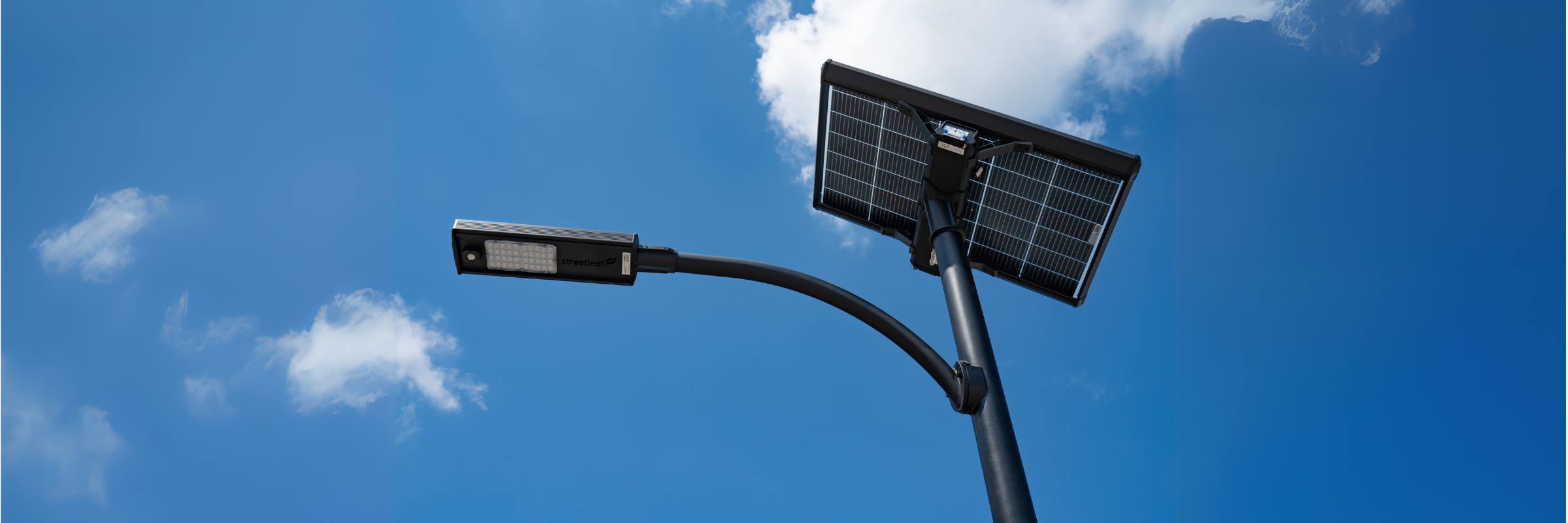
Choosing among the 10 Best Residential Solar Streetlights for Global Buyers requires more than comparing brightness claims. Residential Solar Streetlights must perform reliably beside driveways, garden paths, gates, and rural access roads. A lamp may look impressive online, yet fail during several cloudy nights. Real conditions matter.
This guide evaluates each model through practical criteria, including lighting output, panel efficiency, battery capacity, motion sensing, weather resistance, installation effort, and warranty support. It also considers different climates. Hot regions can shorten battery life, while snow, dust, and heavy rainfall may reduce charging performance. Look for clear specifications, independent testing, and recognized safety certifications where available. Local electrical requirements still deserve careful checking.
Some products advertise long runtimes without explaining brightness levels. That can mislead buyers. A light producing low illumination for twelve hours is not equal to one maintaining useful brightness overnight. We therefore examine operating modes, charging behavior, replacement parts, and manufacturer transparency. Small details matter, such as adjustable panels, secure mounting brackets, and readable battery indicators.
No ranking can predict every installation perfectly. Shade from trees may change results. Coastal air can expose weak materials. Even strong products may disappoint when installed poorly. That is worth admitting. The selections below aim to provide a balanced, evidence-informed starting point for homeowners, contractors, and distributors. They are not a substitute for site assessment, product manuals, or professional installation advice. Reliable lighting begins with realistic expectations.
What Are Residential Solar Streetlights and How Do They Work?
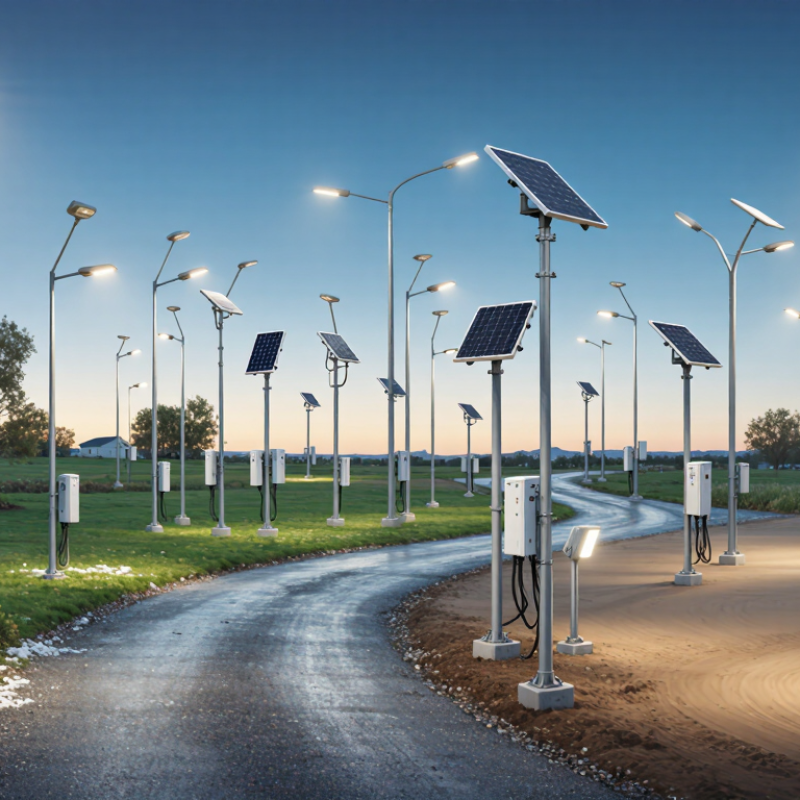
Residential solar streetlights are standalone lighting systems for driveways, gardens, lanes, and community roads. A photovoltaic panel converts sunlight into electricity during daylight hours. A charge controller stores that energy in a battery. After sunset, an LED lamp uses the stored power automatically.
Most systems include a light sensor and motion detector. The sensor starts nighttime operation, while the detector increases brightness when people or vehicles approach. This reduces battery use. The International Energy Agency reported that solar PV supplied about 5.5% of global electricity in 2023. However, household streetlights remain more local and weather-dependent. The World Bank’s Tracking SDG7 report also estimated that 685 million people lacked electricity access in 2022. This shows why small, independent lighting systems still matter in remote areas.
Tips: Check winter sunlight, battery capacity, and pole height before buying. A four-day autonomy rating sounds strong, but cloudy conditions may reduce real performance. Confirm the lamp’s rated brightness, protection level, replacement battery cost, and warranty terms. The battery is often the weak point. It may fail earlier in hot climates or poorly ventilated enclosures. I would avoid judging quality by panel size alone. Real outdoor results depend on installation angle, shading, temperature, and maintenance. Data from the Global Off-Grid Solar Market Report also highlights affordability and product durability as important adoption factors.
10 Best Residential Solar Streetlight Configurations for Global Buyers
Comparison of representative residential applications by LED power, solar-panel capacity, and battery storage.
Residential solar streetlights combine an LED lamp, photovoltaic panel, rechargeable battery, controller, and pole-mounted fixture. During daylight, the panel charges the battery; after sunset, the controller powers the LED automatically. The configurations shown use practical off-grid ranges for pathways, driveways, gardens, entrances, and small residential roads. Actual sizing depends on local sunlight, operating hours, weather, shading, and required illuminance.
Key Features to Compare Before Choosing a Solar Streetlight
10 Best Residential Solar Streetlights for Global Buyers
Choosing among the ten best residential solar streetlights requires more than comparing brightness. Check the lumen rating, beam angle, and mounting height together. A narrow beam may leave dark areas beside a driveway. A wider beam can reduce glare near bedroom windows. Review the battery type, usable capacity, and expected nighttime runtime. Cold climates can reduce battery performance, so temperature data matters. Solar panel size also affects charging during cloudy weeks.
Tips: Ask for tested lighting data, not only marketing claims. Confirm the IP rating, corrosion resistance, and cable protection. Motion sensors may save energy, but poor detection can frustrate residents. Test the sensor near gates, steps, and parked cars. Also compare installation instructions, replacement parts, warranty terms, and local technical support.
Field experience shows that simple controls often remain more reliable. A timer, dimming mode, and adjustable sensor may be enough. Smart connectivity is useful, but it can add setup problems and repair costs. Inspect the pole, bracket, and fasteners before purchase. Weak hardware may loosen under strong wind. The brightest model is not always the most practical choice. I would also question advertised runtime without asking about test conditions. Rain, dust, shade, and seasonal sunlight can change real performance. A small pilot installation can reveal these issues before covering an entire property.
10 Best Residential Solar Streetlights for Global Buyers? - Key Features to Compare Before Choosing a Solar Streetlight
| Option |
Recommended Use |
LED Power |
Rated Light Output |
Solar Panel |
Battery |
Typical Autonomy |
Suggested Mounting Height |
Ingress Protection |
Control Features |
Best Buying Advantage |
| 1. Compact Pathway Solar Light |
Garden paths, walkways and small entrances |
10–20 W |
1,000–2,400 lm |
20–40 W monocrystalline |
LiFePO₄, 100–180 Wh |
2–3 nights |
2.5–4 m |
IP65 or higher |
Dusk-to-dawn sensor; optional motion dimming |
Low cost, easy installation and limited light spill |
| 2. Residential Driveway Solar Light |
Driveways, garage approaches and side yards |
20–30 W |
2,400–3,600 lm |
40–60 W monocrystalline |
LiFePO₄, 180–300 Wh |
2–4 nights |
3–5 m |
IP65–IP66 |
Programmable timer and microwave or PIR sensor |
Balanced brightness, battery size and installation cost |
| 3. All-Night Boundary Light |
Property boundaries, fences and pedestrian lanes |
25–40 W |
3,000–5,000 lm |
60–90 W monocrystalline |
LiFePO₄, 250–450 Wh |
3–5 nights |
4–6 m |
IP66 |
Adaptive dimming, remote-control option and fault indicator |
Reliable overnight operation in moderately cloudy climates |
| 4. Motion-Activated Security Light |
Entrances, carports and security-sensitive areas |
30–50 W |
3,600–6,000 lm |
60–100 W monocrystalline |
LiFePO₄, 300–500 Wh |
3–5 nights |
4–7 m |
IP66; IK08 preferred |
PIR or microwave detection; adjustable standby brightness |
High light output only when activity is detected |
| 5. Wide-Area Courtyard Light |
Large courtyards, shared residential areas and parking spaces |
40–60 W |
5,000–7,200 lm |
90–130 W monocrystalline |
LiFePO₄, 450–700 Wh |
3–5 nights |
5–8 m |
IP66 |
Multi-level dimming, timer and optional central monitoring |
Broad, uniform coverage with fewer poles |
| 6. Split-Panel Solar Streetlight |
Locations requiring flexible panel orientation |
40–80 W |
5,000–9,000 lm |
100–180 W monocrystalline |
LiFePO₄, 500–900 Wh |
4–6 nights |
5–9 m |
IP66–IP67 |
Separate panel angle adjustment, MPPT charging and timer |
Better solar exposure where the luminaire cannot face the sun |
| 7. High-Latitude Winter Light |
Cold regions and areas with short winter daylight hours |
30–60 W |
3,600–7,200 lm |
100–180 W high-efficiency panel |
Low-temperature LiFePO₄, 500–900 Wh |
4–7 nights |
4–8 m |
IP66; corrosion-resistant housing |
Temperature protection, MPPT controller and snow-shedding panel angle |
Designed for reduced winter solar availability |
| 8. Coastal-Climate Solar Light |
Seaside homes and humid or salt-air environments |
30–60 W |
3,600–7,200 lm |
80–150 W monocrystalline |
LiFePO₄, 400–750 Wh |
3–5 nights |
4–8 m |
IP66; marine-grade coating preferred |
Dimming schedule, surge protection and corrosion-resistant fasteners |
Improved durability in salty, wet conditions |
| 9. Smart-Controlled Solar Streetlight |
Premium homes, private roads and managed communities |
40–80 W |
5,000–9,600 lm |
100–180 W monocrystalline |
LiFePO₄, 500–1,000 Wh |
4–7 nights |
5–10 m |
IP66–IP67 |
Bluetooth, LoRaWAN or cellular monitoring; remote scheduling |
Remote diagnostics and precise energy management |
| 10. Hybrid Solar-Grid Residential Light |
High-priority access roads and persistently cloudy climates |
50–100 W |
6,000–12,000 lm |
100–200 W monocrystalline |
LiFePO₄, 600–1,200 Wh |
4–7 nights, with grid backup |
6–10 m |
IP66–IP67 |
Automatic solar-to-grid transfer, timer and fault alarm |
Maintains lighting continuity during extended poor weather |
Note: Specifications are representative residential-market ranges. Actual performance depends on solar irradiation, mounting orientation, operating temperature, lighting schedule, pole spacing and local installation conditions.
The 10 Best Residential Solar Streetlights for Global Buyers
The 10 Best Residential Solar Streetlights for Global Buyers should be judged by real household conditions, not bright product photos. A suitable light needs reliable dusk-to-dawn control, a replaceable battery, and weather protection for outdoor use. In residential projects, the strongest options usually include all-in-one lights, split-panel designs, motion-sensor models, and low-glare pathway units. Other practical choices include wide-beam driveway lights, compact wall-mounted units, cold-climate lights, tropical rain-resistant lights, and high-output models for larger private roads.
Battery chemistry matters. Lithium iron phosphate batteries generally offer stable cycling and strong thermal performance, while panel size affects recovery after cloudy days. Check the rated illumination time, operating temperature, charging efficiency, and warranty terms. A 1,500-lumen light may look impressive, but poor optical design can leave dark patches beside a driveway. Mounting height also changes the result. Six meters may suit a private access road, while three meters often works better near a garden gate.
Installation experience reveals small problems. Trees can shade panels after seasonal growth. Dust can reduce charging. Some motion sensors react to pets or passing vehicles. No model performs perfectly everywhere. Buyers should compare local rainfall, winter sunlight, salt exposure, and maintenance access before ordering. Independent test reports, clear electrical specifications, and documented safety compliance deserve more trust than vague claims. A practical trial on one section of the property can expose glare, weak coverage, or disappointing overnight endurance before a full installation.
How to Select the Right Model for Different Residential Settings
Selecting among the 10 best residential solar streetlights requires matching the model to the property, not chasing maximum brightness. For a narrow driveway, choose focused optics, 800–1,500 lumens, and a motion sensor. A courtyard usually needs softer, wider illumination. Large gardens may require two or more fixtures. Check measured lux, not advertised lumens alone. The International Energy Agency reports that solar PV remains one of the fastest-growing electricity technologies, while IRENA’s Renewable Power Generation Costs 2023 report records a 90% fall in utility-scale solar PV costs since 2010. These trends support solar lighting, but they do not remove poor-design risks.
Battery capacity matters more than impressive panel size. In cloudy regions, seek at least three nights of autonomy, LiFePO4 storage, and a replaceable battery. Coastal homes need corrosion-resistant housings and IP65 or higher protection. Cold locations require verified low-temperature charging performance. Look for testing against relevant IEC lighting and ingress standards. A 3,000-lumen lamp can still create dark corners when its beam pattern is weak. That detail is easy to miss.
Tips: Compare winter solar hours, not annual averages. Ask for battery capacity in watt-hours, operating temperature, and a photometric file. Motion dimming can extend runtime, but residents may dislike sudden brightness changes. In my view, the “best” model is rarely the brightest one. It is the unit that delivers dependable, comfortable light through the property’s worst week. Supplier test data should be independently verifiable; otherwise, selection becomes partly guesswork.
Installation, Maintenance, and International Buying Considerations
Residential Solar Streetlights for Global Buyers
Choosing a residential solar streetlight starts with the site, not the product photograph. Measure daily sunlight, pole height, road width, and nearby shadows before ordering. In field inspections, trees and roof edges often reduce charging more than expected. Mount the panel toward the strongest local sunlight, with a firm tilt and clear drainage. A small tilt error can shorten evening lighting time. Use corrosion-resistant anchors on concrete, and protect cables inside weatherproof conduits. Test the lamp after sunset, not only during daytime installation.
Maintenance is simple, but it is not automatic. Clean dust, leaves, and bird deposits from the panel every few months. In coastal areas, inspect screws and metal joints for salt corrosion. Snow requires careful removal with a soft tool, not sharp pressure. Check battery performance during several cloudy nights. Keep records. Early changes in brightness may reveal battery aging or loose connections. My own planning mistake was allowing too little access around the pole, making later service unnecessarily difficult. Leave working space.
International buyers should confirm the complete specification sheet before payment. It should state panel output, battery capacity, operating temperature, lighting hours, ingress protection, and replacement-part availability. Ask whether the controller supports the destination climate and charging conditions. Import packaging must protect glass, batteries, and mounting hardware separately. Local electrical and construction requirements can differ, so a qualified installer should review the design. Confirm warranty procedures, technical documents, spare-part delivery, and after-sales communication in writing. Low prices can hide costly freight, weak batteries, or unavailable components. That risk deserves a closer question.
FAQS
Compare lumens, beam angle, and mounting height together. A narrow beam may leave driveway edges dark. More brightness is not always better.
Check battery type, usable capacity, and tested runtime. Ask about test conditions, including rain, dust, temperature, and seasonal sunlight. Advertised hours may be optimistic.
Yes. A larger panel may charge more effectively during cloudy weeks. Nearby trees, roof edges, and shadows can reduce charging significantly.
Aim it toward the strongest local sunlight. Use a firm tilt and clear drainage. Even a small angle mistake can shorten evening lighting time.
They can save energy when detection works properly. Test them near gates, steps, and parked cars. Poor detection quickly becomes frustrating.
Review the ingress protection rating, corrosion resistance, and cable protection. Coastal areas need regular checks for salt corrosion. Snow needs soft removal.
Inspect the pole, bracket, anchors, and fasteners before installation. Use corrosion-resistant anchors on concrete. Weak hardware may loosen in strong wind.
Request a complete specification sheet with panel output, battery capacity, temperature range, lighting hours, and spare-part availability. Confirm warranty procedures in writing.
Clean dust, leaves, and bird deposits from the panel every few months. Check brightness during several cloudy nights. Keep records of performance changes.
Yes. Test one location before covering the whole property. It can reveal shadows, glare, weak detection, or difficult maintenance access. I once allowed too little working space. That mistake mattered.
Conclusion
Residential Solar Streetlights are self-contained outdoor lighting systems that use solar panels to convert sunlight into electricity, store energy in rechargeable batteries, and power LED lamps after dark. This article explains their working principles and highlights the main features buyers should compare, including brightness, battery capacity, solar panel efficiency, lighting duration, motion sensors, weather resistance, installation method, and overall durability. It also presents ten practical options for global residential buyers, focusing on different performance levels, layouts, climates, and budget needs without promoting any specific brand.
The guide further explains how to select the right model for driveways, gardens, walkways, entrances, courtyards, and larger residential communities. It also covers basic installation and maintenance, such as choosing an unobstructed location, positioning the panel correctly, cleaning surfaces, checking connections, and replacing batteries when necessary. Finally, it outlines important international purchasing considerations, including product specifications, shipping requirements, warranty terms, voltage compatibility, local installation conditions, and after-sales support.