Executive Sourcing Insights Why Dark-Sky Compliant Lighting Has Transformed from an Environmental Niche into a Core Infrastructure Mandate
For decadal master planning, lighting procurement was historically evaluated on a rudimentary cost-per-lumen metric. Today, artificial light at night (ALAN) has forced a radical paradigm shift in global procurement frameworks. Municipalities, master-planned HOAs, and utility networks now require Dark-Sky Compliant Lighting to meet stringent ecological protection laws, curb skyrocketing municipal electricity overheads, and eliminate residential light spill litigation.
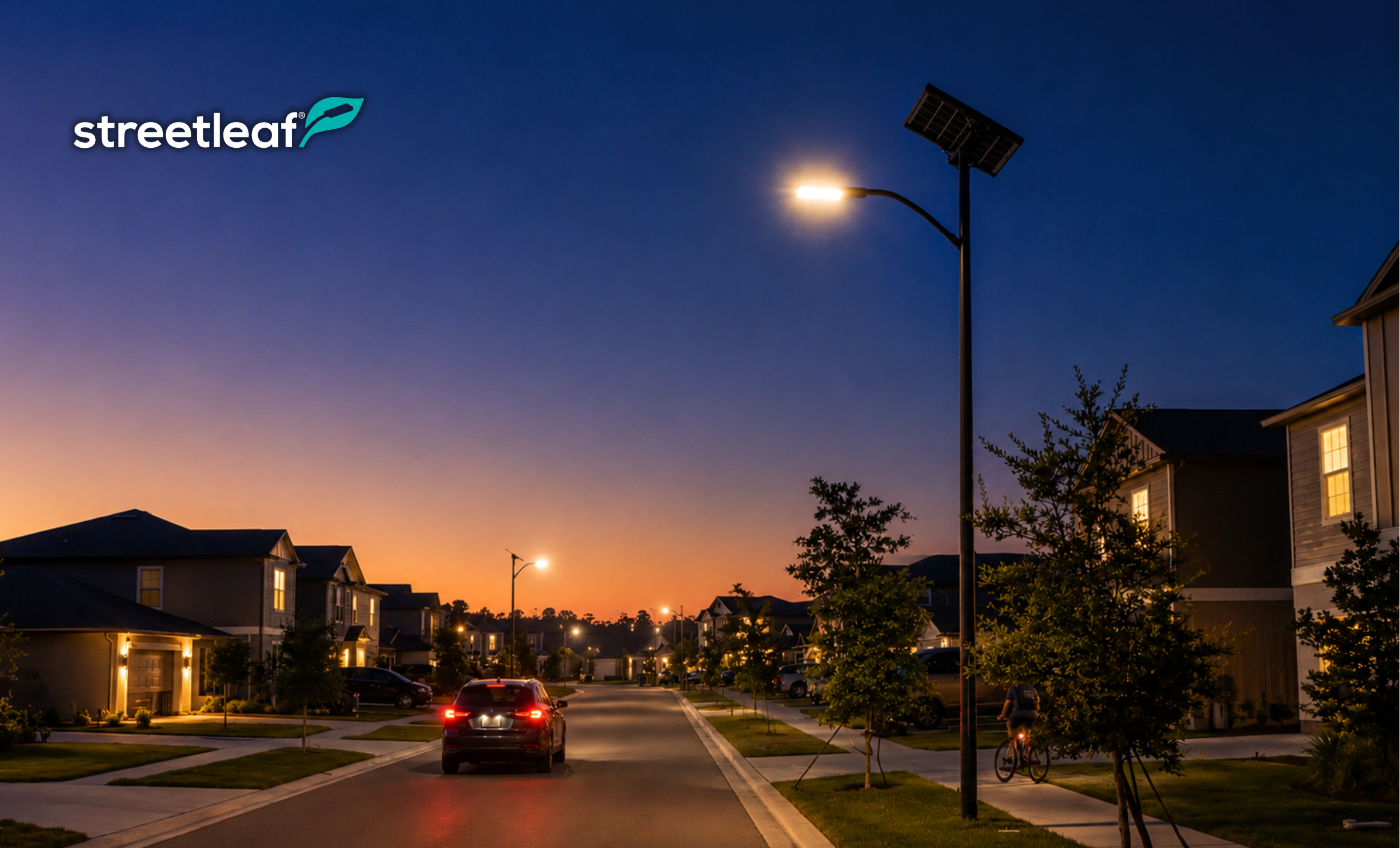
Dark-Sky compliance is not merely placing a visor on an outdated fixture. It demands precise optical engineering: zero uplight emission (U0 BUG rating), targeted downlight beam shaping (Type II, III, or IV distribution), spectral control restricting short-wavelength blue light (CCT ≤ 3000K or 2200K PCA Amber), and intelligent adaptive dimming controls. When paired with off-grid solar technology, Dark-Sky luminaires deliver maximum illumination where required while preserving the night sky and protecting nocturnal ecosystems.