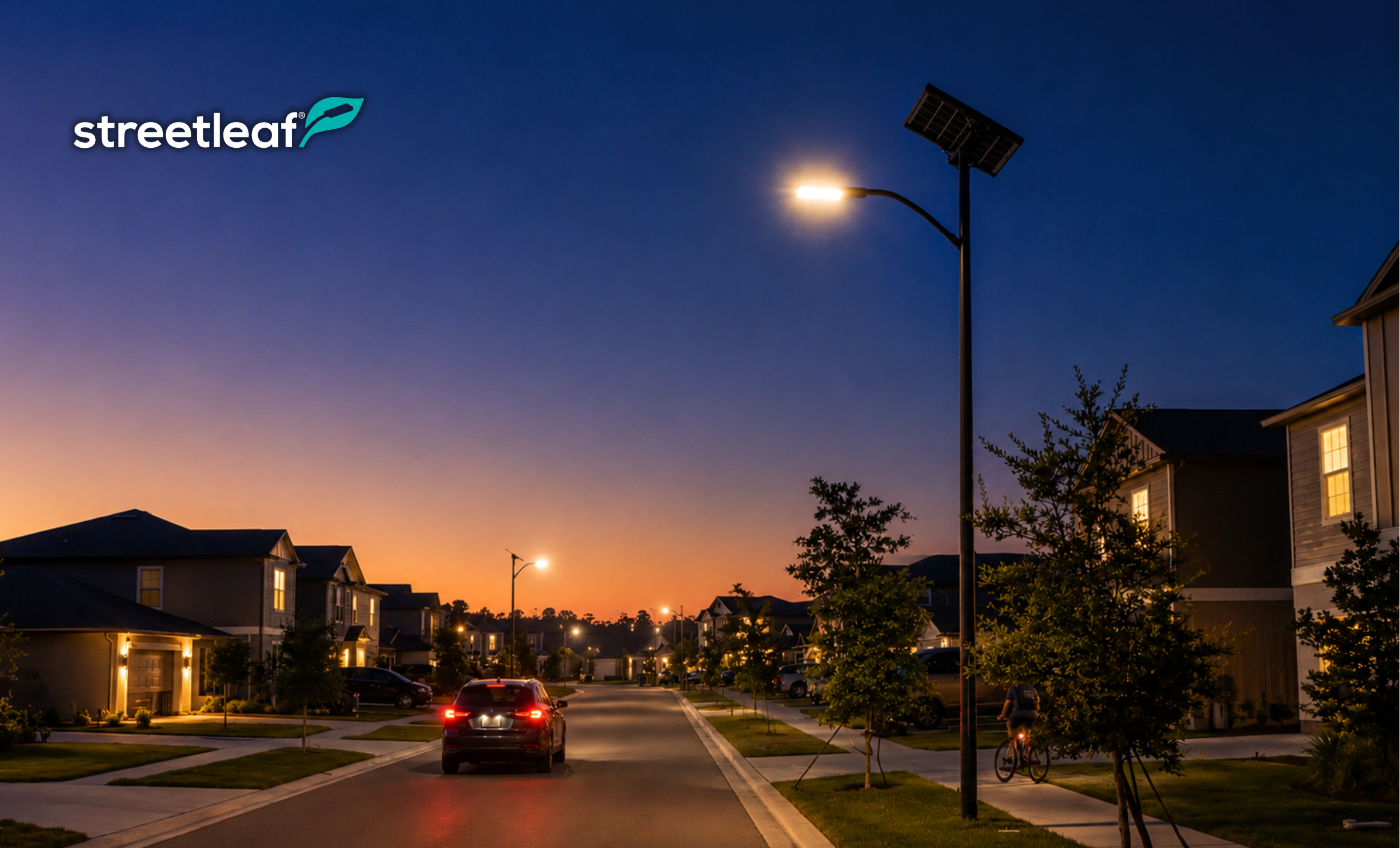
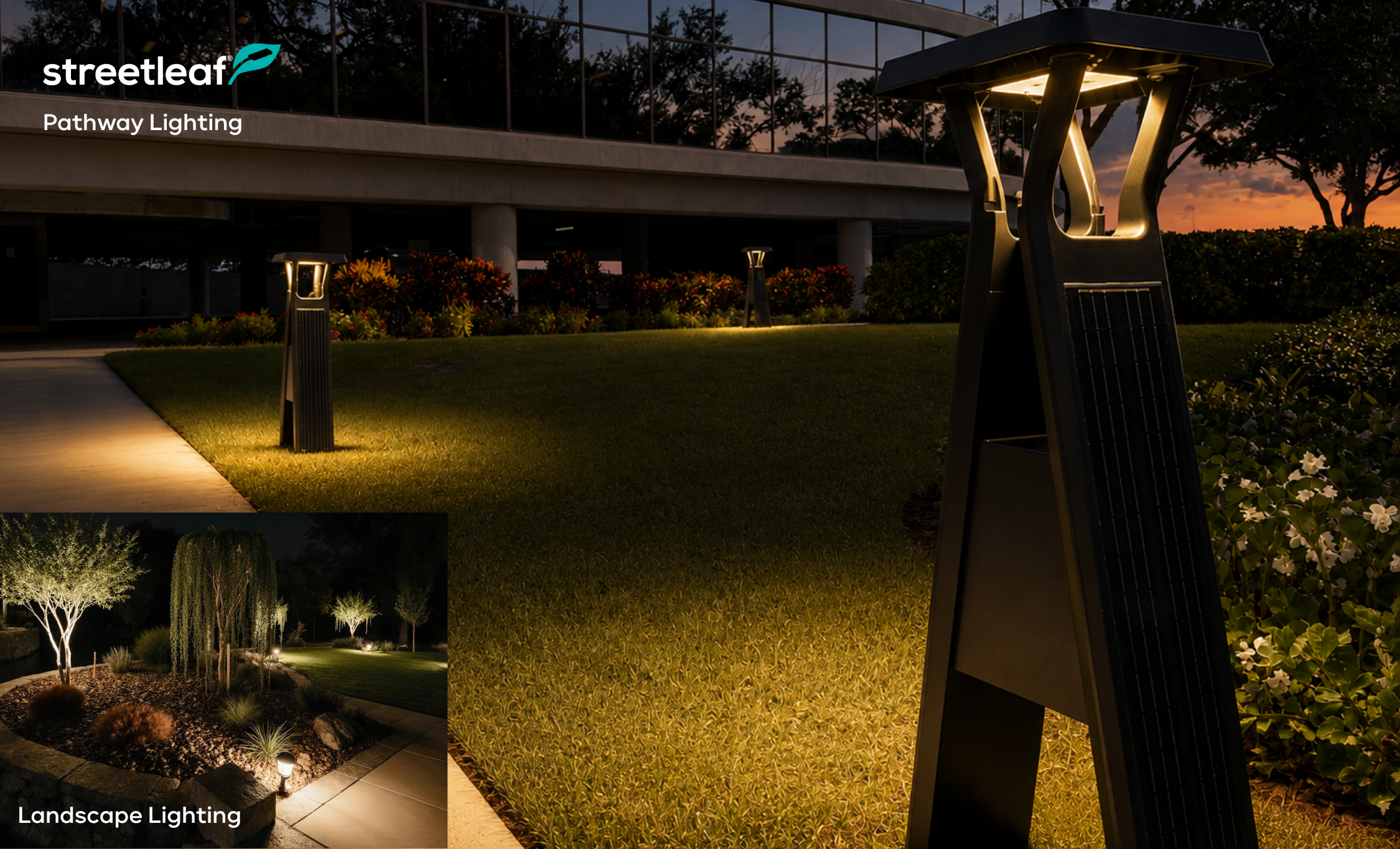
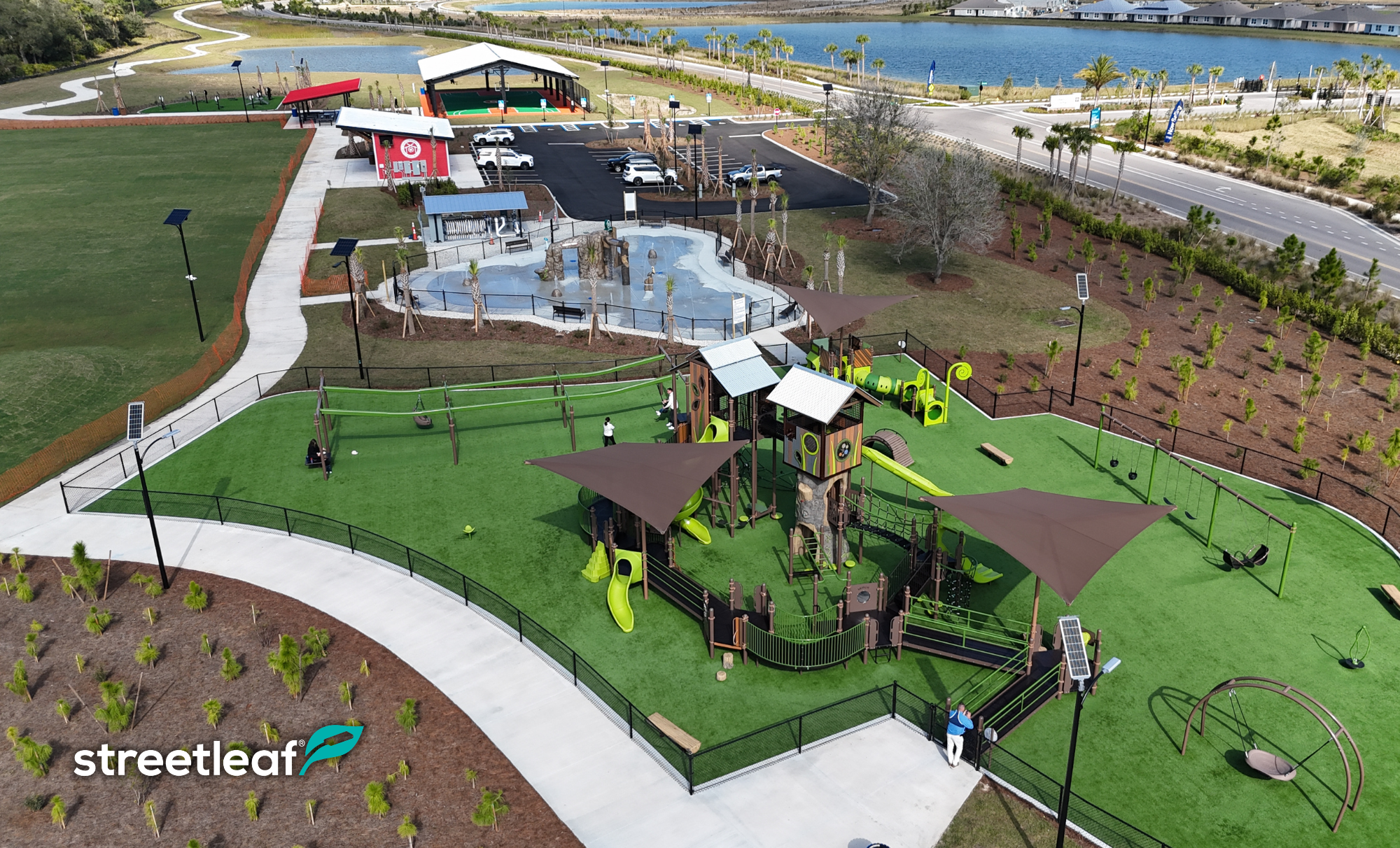
Modern land development demands infrastructure that decouples community safety from grid vulnerabilities. Deploying commercial-grade residential solar streetlights eliminates traditional underground utility trenching ($45–$90 per linear foot), avoids utility interconnect delays, and delivers 100% off-grid autonomy during severe weather events. This guide outlines photometrics, structural wind load engineering, battery degradation chemistry, and innovative financing models transforming residential lighting infrastructure across North America and global markets.
1. The Infrastructure Evolution: Why Master-Planned Communities Are Pivoting Off-Grid
For decades, master-planned residential developments, homeowners associations (HOAs), and municipal residential zones relied on AC grid-tied street lighting infrastructure. However, systemic headwinds—including skyrocketing utility connection fees, prolonged copper wire lead times, transformer shortages, and vulnerable overhead distribution lines—have radically shifted the procurement equation for land developers and civil engineers.
Residential solar streetlights represent a paradigm shift in civil site design. Rather than excavating thousands of linear feet for high-voltage conduits, transformer pads, and junction boxes, off-grid solar luminaires operate as standalone micro-power plants. Each luminaire harvests solar energy during peak solar hours, stores power in industrial-grade LiFePO4 battery banks, and delivers precision IESNA-rated illumination throughout the night without consuming a single kilowatt-hour from the municipal utility grid.
Key Driver: Total Elimination of Trenching and Civil Disruptions
The primary capital expense in legacy street lighting projects is rarely the pole or fixture itself; it is the sub-surface civil works. Soil conditions, existing utility conflicts, asphalt cutting, trench backfilling, and environmental permitting often inflate project budgets by 300% to 500% over equipment costs.
By specifying standalone residential solar streetlights, land developers eliminate site disruption entirely. Installation requires only a standard concrete pier foundation or direct-burial anchor kit. Poles are erected, panels aligned, and lights energized in a matter of hours—accelerating project completion certificates and enabling faster occupancy sign-offs.
2. Technical Architecture & Product Recommendations
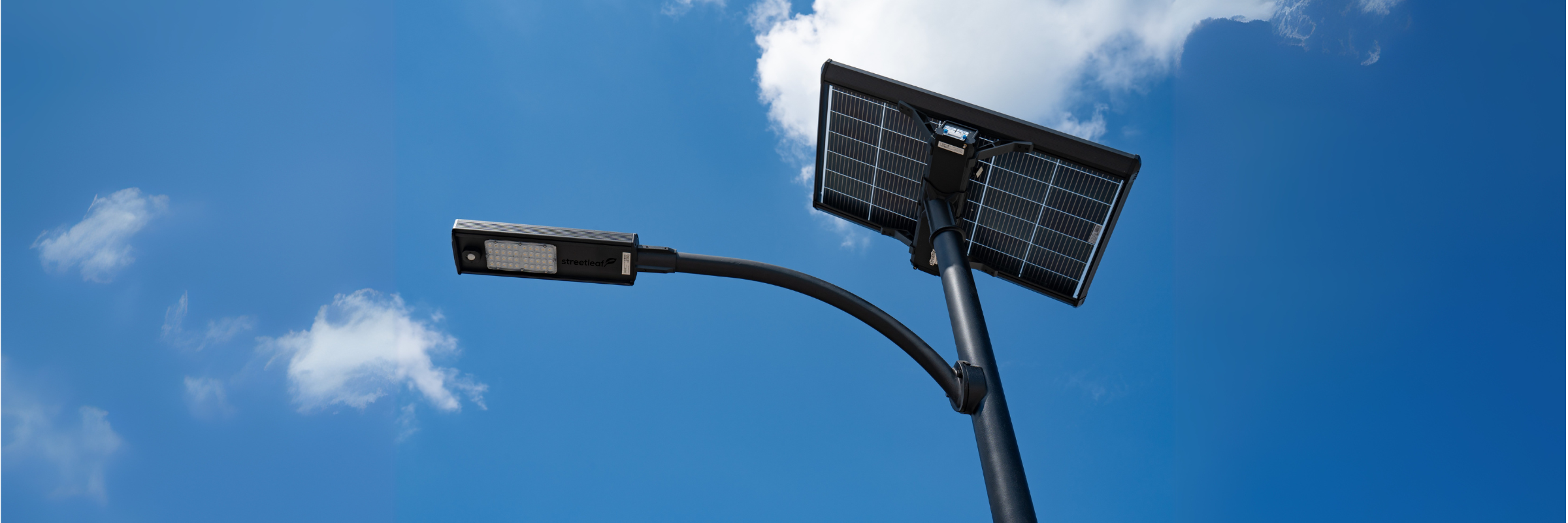
Selecting the correct residential solar streetlight requires evaluating five critical subsystems: Photovoltaic (PV) harvesting modules, energy storage chemistry, charge controller algorithms, LED optical distributions, and structural wind-load rating. Low-grade commercial off-the-shelf solar lights frequently fail within 12 to 18 months due to under-sized batteries, poor thermal management, and low-efficiency PWM controllers. Streetleaf specifies commercial-grade components built for 20+ year asset life cycles.
A. Bifacial Monocrystalline Solar Technology
Streetleaf residential luminaires integrate high-efficiency N-Type bifacial monocrystalline solar panels. Unlike traditional monofacial panels, bifacial panels capture direct sunlight on the primary face while simultaneously harvesting ambient reflected light (Albedo) from the ground, nearby structures, and cloud cover on the reverse side. This yields a 15% to 25% increase in total daily energy generation, ensuring robust battery replenishment even on overcast winter days or in high-latitude environments.
B. Industrial-Grade LiFePO4 (Lithium Iron Phosphate) Energy Storage
Battery chemistry dictates long-term performance and thermal safety. Legacy solar lights utilized lead-acid (AGM/Gel) or NMC lithium batteries, which suffer from short cycle life, thermal runaway risks, and severe capacity loss in extreme temperatures. Streetleaf systems utilize premium grade LiFePO4 cells offering:
- 4,000+ Full Discharge Cycles: Exceeding 10–12 years of continuous daily operation at 80% Depth of Discharge (DoD).
- Superior Thermal Stability: Operates safely from -20°C to +65°C without thermal degradation or risk of fire.
- Integrated Smart BMS: Active cell balancing, overcharge protection, deep-discharge prevention, and low-temperature cutoff protection.

C. Precision Dark-Sky & Optical Distribution
Residential neighborhoods require uniform horizontal illuminance without creating hazardous glare or intrusive light trespass into home windows. Streetleaf luminaires utilize advanced optical lenses providing IESNA Type II and Type III distributions.
Furthermore, all fixtures maintain a BUG rating (Backlight, Uplight, Glare) that ensures 0% uplight emission, earning full Dark-Sky International compliance. For coastal regions with sensitive marine habitats, Streetleaf offers specialized 590nm narrow-spectrum turtle-friendly amber lighting options.
Product Comparison Matrix for Residential Applications
To assist civil engineers and purchasing managers in specifying the optimal system, the following matrix compares Streetleaf's core commercial residential lighting configurations:
| Technical Parameter | Streetleaf AVE Series (All-in-One) | Streetleaf PRO Series (Split System) | Streetleaf PATH Series (Pathway/Park) |
|---|---|---|---|
| Primary Application | Residential Arterials, HOAs, Collector Roads | Wide Municipal Boulevards, High-Wind Zones | Pedestrian Trails, HOA Parks, Greenways |
| Lumen Output Range | 4,000 – 9,000 Lumens | 8,000 – 16,000 Lumens | 2,000 – 4,500 Lumens |
| Solar Panel Type | Integrated Bifacial Monocrystalline (120W–180W) | Top-Mounted Adjustable Bifacial (200W–360W) | Vertical Wrap / Integrated Mono (50W–90W) |
| Battery Autonomy Reserve | 5+ Days (Continuous Dark Weather) | 7+ Days Extended Autonomy | 5+ Days Standard Autonomy |
| Wind Load Resistance | AASHTO Rated 150 MPH (Cat 4 Resilient) | ASCE 7-16 Rated 180 MPH (Cat 5 Hurricane) | AASHTO Rated 130 MPH |
| Optical Distribution | Type II / Type III Optics (Dark-Sky Compliant) | Type III / Type IV Precision Distribution | Symmetric Type V / Pedestrian Distribution |
| Smart Controls | MPPT Smart Dimming + PIR Motion Sensor | IoT Cloud Telemetry + Cellular Control | Adaptive Astronomical Timer + Motion |
3. Financial Engineering: CapEx vs. Zero-Upfront Service Agreements (LSA)
Traditionally, transitioning a 200-pole residential subdivision to solar required significant upfront capital expenditure (CapEx). Buying high-grade solar poles, batteries, modules, and optics upfront can challenge developer cash flows or HOA reserve funds. To eliminate financial friction, Streetleaf has pioneered the Lighting Service Agreement (LSA) model—delivering turnkey solar infrastructure at $0 upfront cost.
Consider a standard 100-light residential development project:
- Legacy Grid-Tied Lighting CapEx: Underground trenching, wiring, conduit, transformer hookups, and electrical permits average $150,000 to $250,000 upfront. Ongoing monthly utility power bills and maintenance repairs persist indefinitely.
- Streetleaf Solar Service Agreement: $0 Initial Capital Required. Streetleaf manages hardware delivery, professional installation, continuous IoT remote monitoring, proactive battery care, and lifetime maintenance under a predictable, flat monthly service fee.
This financial innovation converts a heavy capital expense into an easily managed operational expense (OpEx). HOAs gain rate predictability protected from utility tariff inflation, while land developers preserve working capital to accelerate home construction and land sales.
4. Procurement Trends Shaping the Residential Solar Lighting Industry
Global procurement metrics show a rapid acceleration in off-grid street lighting adoption across suburban developments, master-planned communities, and smart cities. Engineering firms and municipal buyers should align their purchasing specifications with four key industry trends:
Trend 1: Extreme Weather Resilience & Cat 5 Hurricane Engineering
Climate volatility has exposed severe weaknesses in centralized electrical grids. Hurricanes, ice storms, and wildfires frequently knock out power grids for weeks, leaving residential streets in total darkness and compromising public safety. Modern procurement specifications prioritize storm resilience.
Streetleaf systems are engineered in strict compliance with ASCE 7-16 structural wind standards. Featuring marine-grade 6063-T6 aluminum structural housings, stainless steel hardware, and aerodynamic profiles, our fixtures are certified to withstand Category 5 hurricane-force winds up to 180 MPH. Because they operate 100% off-grid, Streetleaf residential solar streetlights remain fully illuminated during grid collapses, providing crucial security and illumination for emergency services.
Trend 2: Ecological Compliance & Dark-Sky Preservation
Light pollution is increasingly regulated by municipal ordinances and HOA covenants. Unshielded residential lighting disrupts local wildlife, migratory birds, and human circadian rhythms. Future-proof procurement requires luminaires engineered to eliminate high-angle light spill and skyglow.
Streetleaf integrates zero-uplight optical engines with optional CCT tuning (2700K to 3000K warm white) and automated midnight dimming schedules, helping residential projects seamlessly pass municipal environmental reviews and Dark-Sky certifications.
Trend 3: IoT Remote Telemetry & Predictive Maintenance
Manual field audits for dead streetlights are inefficient and costly. Procurement standards are rapidly shifting toward connected, intelligent lighting networks. Streetleaf luminaires incorporate encrypted wireless IoT controllers that transmit real-time telemetry—including battery state-of-charge (SoC), daily solar generation, operating temperature, and LED health metrics—to a centralized dashboard. If a anomaly occurs, automated alerts dispatch service technicians before residents even notice an issue.
5. Enterprise Advantage: Why Developers, HOAs & Utilities Partner with Streetleaf
With over 1,269+ successful deployments nationwide, Streetleaf has established itself as the trusted authority in commercial and residential solar street lighting infrastructure. Our vertically integrated approach removes technical risk and operational friction for our enterprise partners.
Cat 5 Storm Resilient
Tested and certified to withstand continuous 180 MPH wind loads and extreme weather events without structural or electrical failure.
5+ Days Autonomy Reserve
High-capacity LiFePO4 energy storage guarantees continuous illumination through 5+ consecutive days of heavy rain, snow, or dense cloud cover.
Turnkey Service Agreement
$0 upfront cost model covering engineering design, installation, monitoring, hardware warranties, and long-term maintenance.
In-Depth Case Study Snapshot: Commercial & Residential Projects
Leading master-planned communities across coastal and inland regions have replaced legacy grid lighting plans with Streetleaf off-grid solar systems. In a recent 140-home coastal development project, switching to Streetleaf eliminated $185,000 in utility trenching fees, avoided a 9-month electrical grid interconnection queue, and achieved 100% compliance with local coastal turtle protection guidelines.
Read more about municipal and utility economic strategies in our detailed research publications below.