Global Market Intelligence Future Procurement & Industry Trends in Wildlife-Safe Solar Infrastructure (2026–2030)
The global market for coastal solar lighting is undergoing a structural paradigm shift. Driven by climate volatility, stricter environmental enforcement, and rapid advancements in photovoltaic energy density, B2B buyers—including coastal municipalities, resort developers, and utility asset managers—are reevaluating their outdoor lighting specifications. The following four macro-trends are reshaping how turtle-friendly solar lights are manufactured, procured, and deployed globally:
1. Shift from Passive Amber Filters to Native Monochromatic Emitters
Historically, manufacturers attempted to achieve turtle compliance by placing yellow or amber plastic filters over conventional white LED chips. Field data revealed that these passive filters rapidly degrade under severe coastal ultraviolet (UV) radiation, fading within 18–24 months and allowing harmful blue wavelengths to bleed through. Modern procurement mandates strictly prohibit filtered fixtures. The market has fully transitioned to native monochromatic AlInGaP (Aluminum Indium Gallium Phosphide) semiconductor chips that physically produce light within the 560nm–630nm range, guaranteeing life-long spectral stability regardless of UV exposure.
2. Elimination of Shoreline Trenching via Grid-Independent Solar Systems
Installing traditional AC power grid streetlights along coastal dunes requires extensive underground trenching, heavy excavation equipment, and utility interconnection approval. Trenching destabilizes fragile dune ecosystems, destroys sea turtle nesting vegetation, and incurs exorbitant civil engineering costs (frequently exceeding $150 per linear foot of trenching in coastal soils). 100% off-grid solar streetlights eliminate all sub-surface excavation. Procurement officers are leveraging standalone solar posts that anchor directly into ground screws or concrete footings, reducing project installation schedules from months to days while protecting coastal ecology.
3. Integration of Smart IoT Curfew Dimming & Astronomical Clocks
Next-generation procurement requests (RFPs) increasingly require intelligent streetlight control networks. By combining off-grid solar hardware with integrated IoT controllers, municipalities can program dynamic light schedules based on localized solar calendar data. For example, during non-nesting winter months, luminaires can operate in standard energy-efficient mode. Once nesting season begins, internal microcontrollers automatically shift lighting outputs to certified amber spectrums and implement smart motion-activated dimming protocols—reducing ambient light output by 70% during peak hatchling movement hours (11:00 PM to 4:00 AM) while maintaining instant 100% illumination upon detecting human approach.
4. Resilience Engineering Against Category 5 Extreme Weather Events
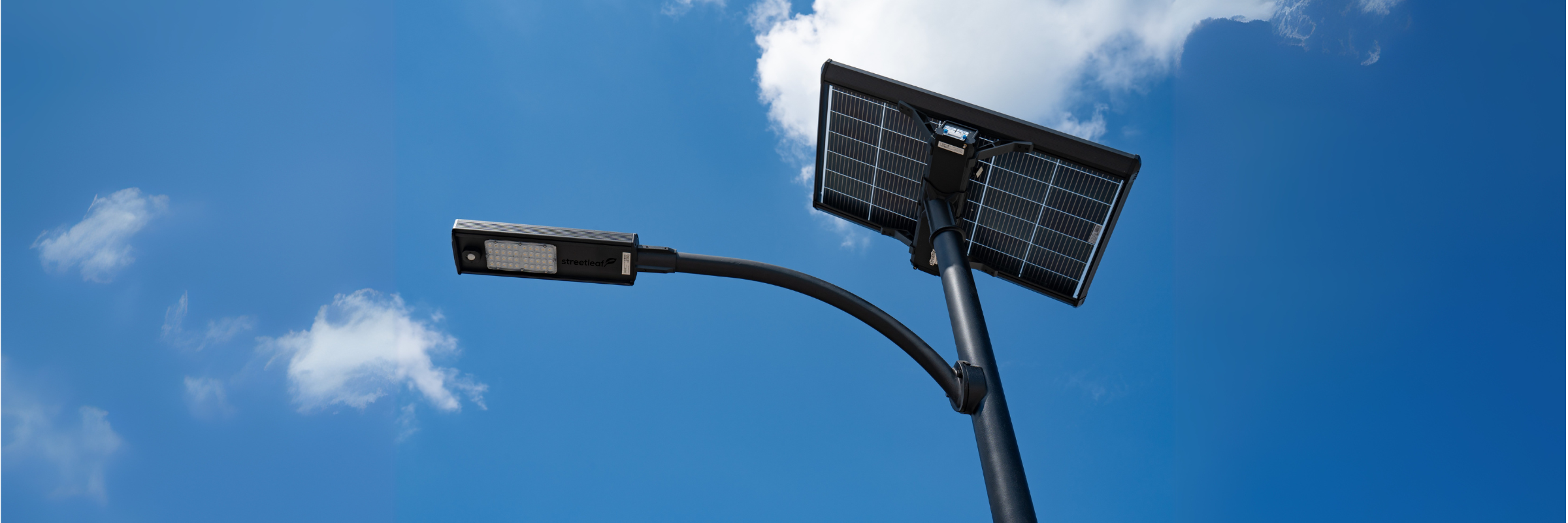
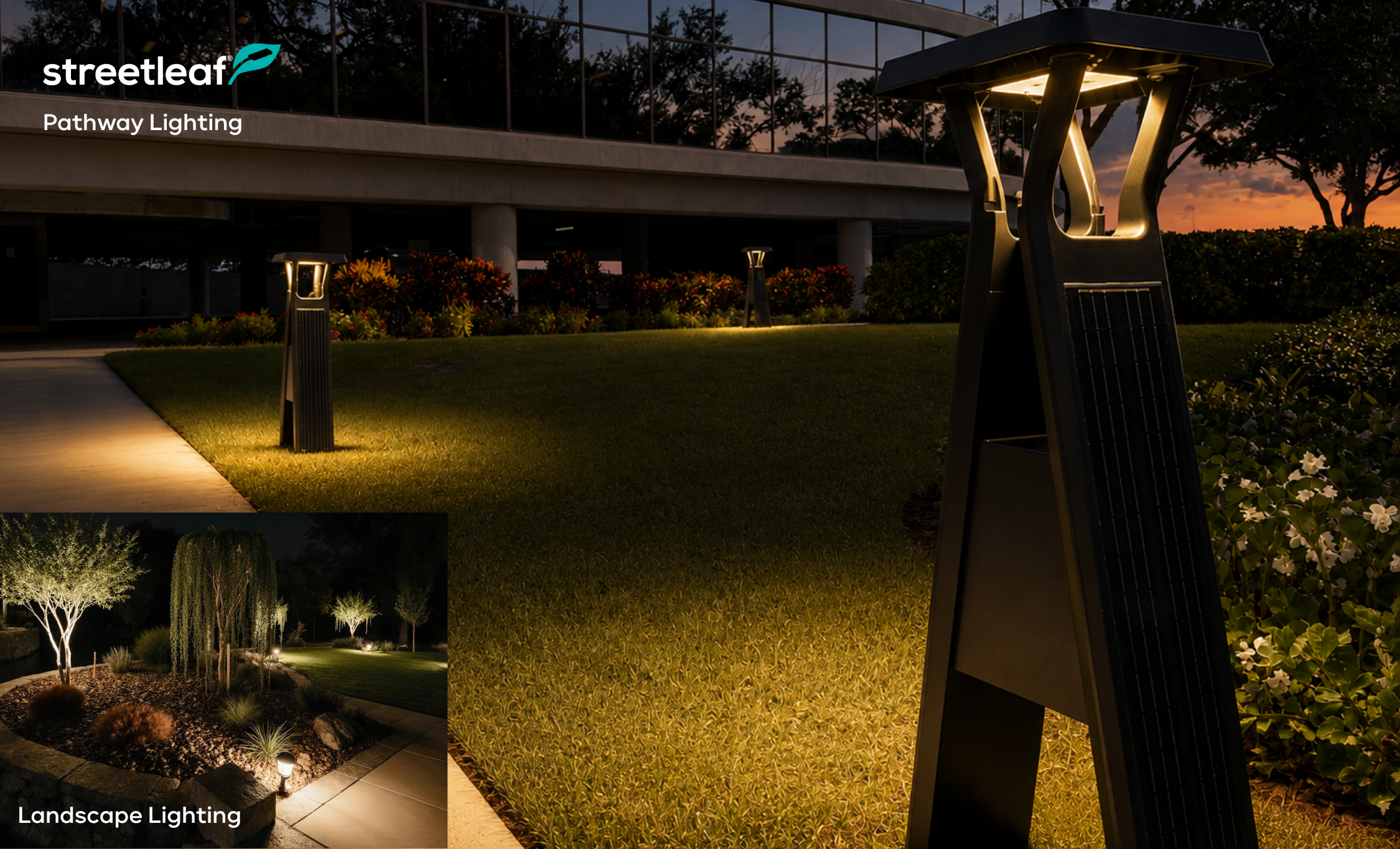
Coastal regions inhabited by sea turtles are geographically co-located with high-risk hurricane corridors (such as the Southeastern U.S., Caribbean, Gulf of Mexico, and Indo-Pacific tropical zones). Consequently, buyers are demanding severe storm resilience. Conventional solar streetlights with large, flat, tiltable solar panels frequently experience mechanical failure during tropical storms due to wind uplift. Modern turtle-friendly solar lighting fixtures utilize low-profile vertical solar wraps, integrated cylindrical photovoltaic columns, or high-tensile aerodynamically contoured structural mounts tested to withstand sustained Category 5 hurricane winds (exceeding 180 mph / 290 km/h).