
Insights & News

Solar Lighting Blog

Industry trends, technical guides, and case studies on storm-resilient solar streetlights.

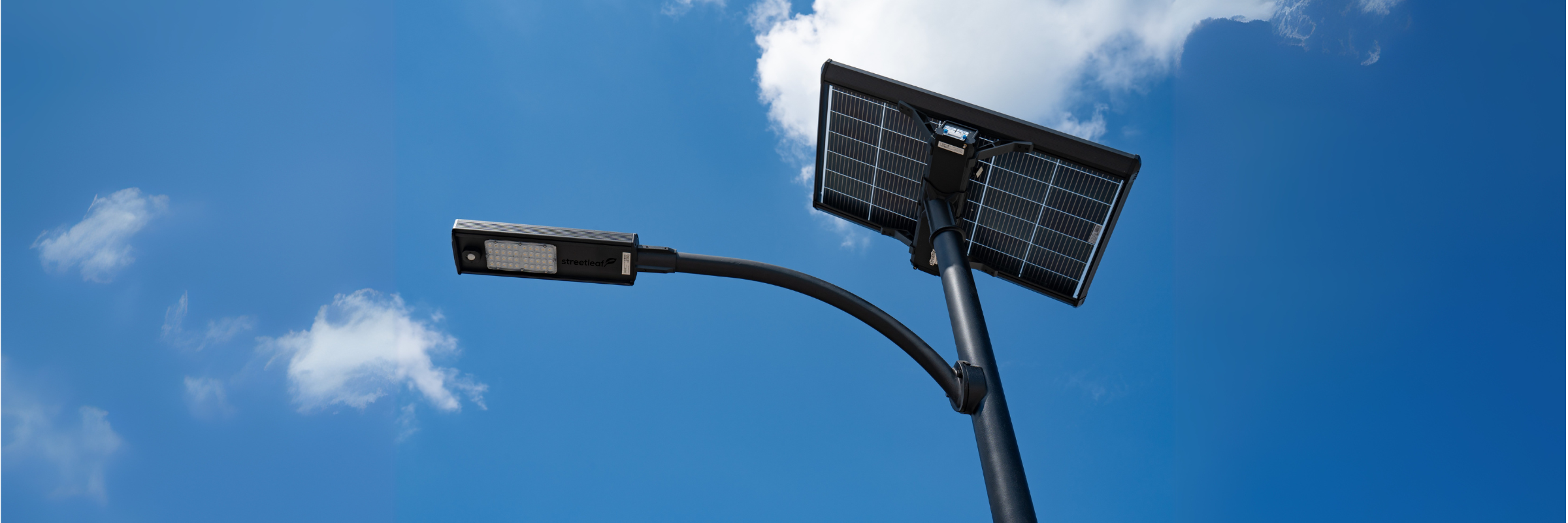
Streetleaf AVE solar streetlight against blue sky
Technical Knowledge

Engineering & Standards

Learn about Cat 5 hurricane resistance, bifacial panel technology, and battery reserve dynamics.

Family walking under Streetleaf solar streetlights in a neighborhood
Case Studies

Real-World Projects

See how developers, HOAs, and municipalities achieve zero grid dependency.

0%

Landscape Solar Lighting is a practical choice for gardens, parks, walkways, and commercial outdoor spaces. In China, manufacturers offer products ranging from compact stake lights to pole-mounted systems. The range can be impressive. Yet a polished catalog does not prove dependable performance.

Choosing a supplier takes more than comparing unit prices. Buyers should examine panel output, battery capacity, LED efficiency, weather protection, and expected operating time. Ask how lights perform after cloudy days and whether replacement batteries or parts are available. A well-lit sample garden may hide uneven illumination or weak hardware. Field testing matters.

This guide reviews Landscape Solar Lighting manufacturers in China using practical purchasing criteria, including product range, customization, quality control, communication, and export experience. It also highlights details worth verifying before placing a large order. Certifications and test reports can help, but buyers should confirm their scope and validity rather than rely on logos alone. Samples, clear specifications, and written warranty terms provide stronger evidence.

No supplier is ideal for every project. A resort path has different needs from a public plaza, and the lowest quote may cost more over time. Some details are easy to overlook. That is worth admitting. Treat the manufacturers discussed here as candidates to assess, not automatic recommendations. Careful comparison can help buyers find a supplier whose lighting performance, service, and budget fit the site.
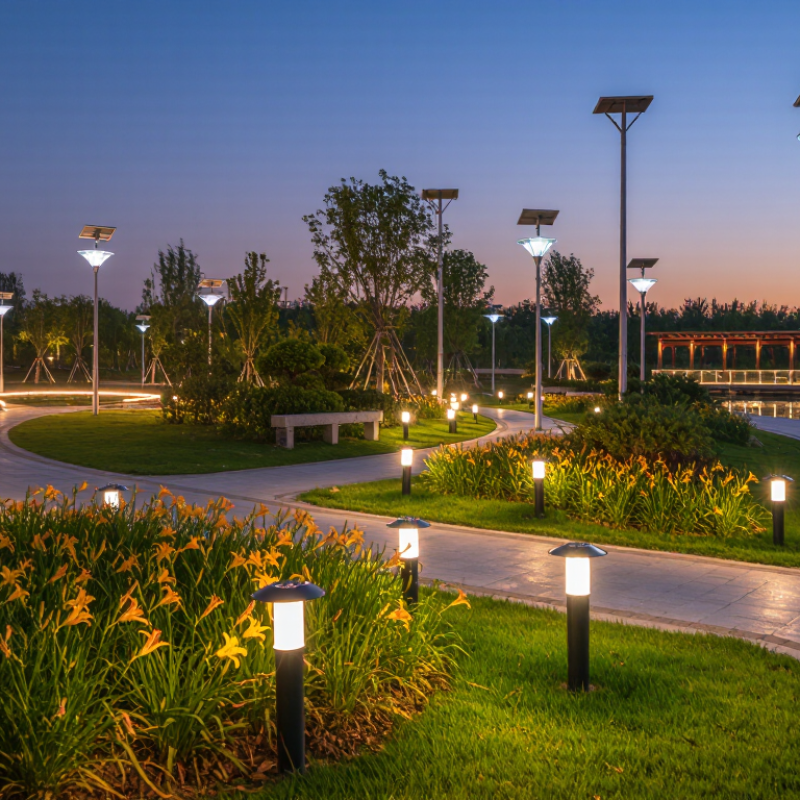
Best Landscape Solar Lighting Manufacturers in China?

Landscape Solar Lighting: Definition and Core Components

Landscape solar lighting is outdoor illumination powered by sunlight rather than a wired supply. It can mark a garden path, brighten a planting bed, or add gentle light near a patio. The idea sounds simple. Performance is not.

A typical fixture combines a photovoltaic panel, rechargeable battery, LED light source, charge controller, and weather-resistant housing. The panel converts daylight into electrical energy; the battery stores it for nighttime use. The controller manages charging and switching, while the LED produces light with relatively little power. Check the panel angle and nearby shade. A small branch can reduce charging more than expected.

The housing protects these parts from rain, dust, and routine outdoor wear. Look for secure seals and materials suited to the site, especially where sprinklers hit or soil stays damp. Battery capacity, winter daylight, and nightly runtime should be considered together. A bright lamp may run briefly if its battery is undersized. “Solar” does not mean maintenance-free. Panels collect pollen and grit, and batteries eventually lose capacity. Placement matters as much as the fixture itself. A carefully chosen light in deep shade may still disappoint.

Main Types of Landscape Solar Lights Manufactured in China

Landscape solar lights made in China span practical path markers, decorative accents, and focused outdoor fixtures. Stake lights guide visitors along garden beds or driveways, while bollard-style models cast a broader pool of light near walkways. Their solar panels may sit atop the fixture or connect by cable, allowing placement in sunnier spots.

Wall-mounted lights suit entrances, fences, and steps. Some use motion sensors; others provide steady, lower-level illumination. Adjustable solar spotlights can highlight a tree trunk, stone wall, or planting feature. For softer decoration, manufacturers also make string lights and lantern-style fixtures. Small details matter. Check how easily batteries can be replaced and whether the panel angle can be adjusted.

Materials and performance vary by model. Look for clear specifications on battery capacity, operating time, light output, and water resistance rather than relying on appearance alone. A well-sealed housing and sturdy stakes can help fixtures handle rain and routine garden maintenance. Not always. A brighter lamp may drain its battery sooner, especially during short winter days. Ask suppliers how they test charging and runtime under different conditions, and compare results for the intended location. A shaded path needs a different design from a sunny patio, and even a carefully chosen fixture may need seasonal repositioning.

Best Landscape Solar Lighting Manufacturers in China? - Main Types of Landscape Solar Lights Manufactured in China

Light Type Common Landscape Uses Typical Design Features Typical Installation Key Selection Considerations
Solar Path Lights Garden paths, walkways, driveways, and planting borders Ground stake with a small solar panel and downward or diffused light Stake directly into soil along the route Spacing, panel exposure to sunlight, ground conditions, and desired pathway visibility
Solar Bollard Lights Entry paths, patios, courtyards, and commercial walkways Short, freestanding post with an integrated solar module and broad light distribution Mounted on a stable base or installed using a ground fixing Mounting surface, post height, light direction, and resistance to local weather conditions
Solar Spotlights and Uplights Highlighting trees, shrubs, walls, signs, and architectural details Adjustable lamp head, often with a separate or integrated solar panel Ground stake or surface mount; aim the light at the feature Beam direction, panel placement, shading, and whether the fixture can be repositioned
Solar Wall Lights Exterior walls, fences, gates, entrances, and steps Wall-mounted housing with an integrated solar panel; some models include motion sensing Fastened to a sun-exposed wall or fence Available sunlight at the mounting point, mounting height, and the required light coverage
Solar Deck and Step Lights Deck edges, stairs, garden steps, and low-level borders Compact, low-profile fixture designed to provide localized illumination Fixed to a step, deck surface, or adjacent structure Fixture dimensions, mounting method, exposure to foot traffic, and intended light direction
Solar String Lights Outdoor dining areas, pergolas, balconies, and garden gatherings Multiple light points connected along a flexible cable, usually with a separate solar panel Hung between suitable supports; position the panel in an unshaded area Cable length, bulb spacing, support points, and solar-panel placement
Decorative Solar Lanterns Patios, tables, garden seating areas, and decorative displays Portable or hanging housing with a solar charging panel and ambient light output Placed on a flat surface or suspended from a suitable hook Intended use, placement in daylight, portability, and protection from outdoor exposure
Solar Pond and Water-Feature Lights Ponds, fountains, and nearby garden features Models may be designed for floating use or for installation around the water feature Follow the product’s specified placement and water-use instructions Confirm the fixture’s stated water-resistance rating and whether it is intended for in-water use
Product designs and features vary by model. Check the manufacturer’s specifications for operating conditions, installation requirements, and weather or water resistance.

How Chinese Manufacturers Design and Produce Landscape Solar Lights

Landscape solar lights are engineered as small off-grid systems, not just lamps with panels attached. Designers match LED output, panel area, battery capacity, and expected night-time operation. They also consider shade from trees, winter sunlight, and rainwater around ground stakes. In production, teams check wiring, seals, charging behavior, and light distribution. A beam that looks even in a workshop may create dark patches along a real garden path.

Manufacturing scale matters, but it does not guarantee product quality. IEA PVPS’s Trends in Photovoltaic Applications 2024 reports that China produced more than 80% of global photovoltaic modules in 2023. That supply-chain depth can support access to cells and components; careful testing still determines how a finished fixture performs. Better factories test units through charge-and-discharge cycles, temperature changes, and water-ingress checks. Small differences matter. A loose gasket or poorly aimed panel can shorten useful lighting hours. Some designs still trade brightness for longer runtime, and that compromise deserves clearer explanation.

Tips: Ask for battery capacity, panel wattage, runtime test conditions, and ingress-protection test documentation. Check whether runtime figures were measured in full sun or under realistic seasonal conditions. A sample unit is useful, but one test cannot represent every installation.

Key Criteria for Evaluating Chinese Landscape Solar Lighting Manufacturers

When evaluating Chinese landscape solar lighting manufacturers, request evidence, not polished catalog images. IRENA’s Renewable Capacity Statistics 2024 reports 346 GW of solar PV capacity added worldwide in 2023. That growth shows a rapidly expanding supply chain, but it does not prove a garden fixture will last through cloudy weeks or freezing nights. Looks can deceive.

Ask for photometric reports showing measured lumens, beam distribution, and test conditions. Check battery chemistry, usable capacity, cycle-life data, and the claimed hours of operation after several low-sun days. A useful factory audit includes sample testing: place fixtures outdoors, inspect seals after rain, and compare actual runtime with the datasheet. Request the IP test report and confirm it matches the exact housing and cable entry. Also examine production records, incoming-component checks, and how failed units are handled. A supplier’s stated autonomy may rely on ideal weather; that detail is easy to overlook. Compare warranty terms with the availability of replacement batteries and control boards, not just the fixture’s purchase price. Ask questions early. Some test documents may be incomplete, so independent verification can be worth the delay.

Applications and Performance Factors for Landscape Solar Lighting

Landscape solar lighting can define garden paths, highlight stone borders, and make patio steps easier to see after dusk. Low-level fixtures suit walkways, while adjustable spotlights can accent trees or textured walls. For entrances, choose a beam that lights the approach without shining directly into visitors’ eyes. Placement matters. Dense foliage and deep eaves can leave panels undercharged, even when the fixtures look well positioned.

Performance depends on sunlight, battery capacity, light output, and operating time. A fixture may appear bright at sunset but dim before dawn after cloudy days. Check product specifications for charging conditions and expected runtime, and compare light output with the area being lit. Weather resistance also matters near sprinklers or coastal gardens. In shaded spaces, performance can be inconsistent; that limitation deserves attention before installation, not after.

Tips: Test one fixture in its intended location for several evenings. Note how long it stays bright, especially after rain or overcast weather. Keep panels clear of leaves, and avoid judging performance from a single sunny night. When comparing manufacturers, ask for clear test conditions and battery details, not just headline brightness claims.

FAQS

What types of landscape solar lights are available?

Common options include path stakes, bollards, wall lights, spotlights, string lights, and lanterns. Each suits a different outdoor area.

Where should I place solar lights?

Put panels where they receive useful sunlight. A shaded path may need a different fixture from a sunny patio.

Can a solar panel be placed away from its light?

Some models connect the panel by cable. This can help when the fixture sits under a tree or beside a shaded wall.

What details should I check before choosing a light?

Compare battery capacity, panel wattage, runtime, light output, and water resistance. Also check whether the battery is replaceable and the panel angle is adjustable.

Does a brighter light always work longer?

Not always. Higher brightness can use more stored energy, especially during short winter days.

How do manufacturers test landscape solar lights?

Tests may check wiring, seals, charging, light distribution, and water resistance. Better testing can include temperature changes and repeated battery cycles.

Why might a light perform differently in my garden?

Tree shade, winter sunlight, and rain around ground stakes can affect performance. A beam that looks even indoors may leave dark patches on a path.

Is one sample enough to judge a product?

A sample is useful, but one unit cannot represent every installation. Ask about test conditions; I would not treat one sunny-day test as proof.

Conclusion

Landscape Solar Lighting combines photovoltaic panels, rechargeable batteries, LED light sources, controllers, and weather-resistant housings to illuminate outdoor spaces without relying on a conventional power supply. Chinese manufacturers produce a range of options, including pathway lights, bollard lights, spotlights, wall lights, and decorative garden fixtures. Their designs balance appearance, light output, operating time, and ease of installation, while production typically involves component selection, assembly, testing, and quality checks.

When evaluating manufacturers, buyers can consider product consistency, material durability, battery and panel specifications, customization capabilities, and the clarity of technical support. Performance also depends on sunlight exposure, seasonal conditions, placement, and the intended brightness and runtime. Landscape Solar Lighting can serve gardens, parks, walkways, courtyards, and other outdoor settings. Matching the product type and specifications to the site helps create practical, attractive illumination and supports reliable operation over time.

Ethan Mercer

Ethan Mercer

Ethan Mercer is a professional marketing specialist dedicated to helping businesses understand, present, and improve their products in a clear and meaningful way. With extensive experience in product communication, market research, content strategy, and customer-focused storytelling, Ethan brings......