
Insights & News

Solar Lighting Blog

Industry trends, technical guides, and case studies on storm-resilient solar streetlights.

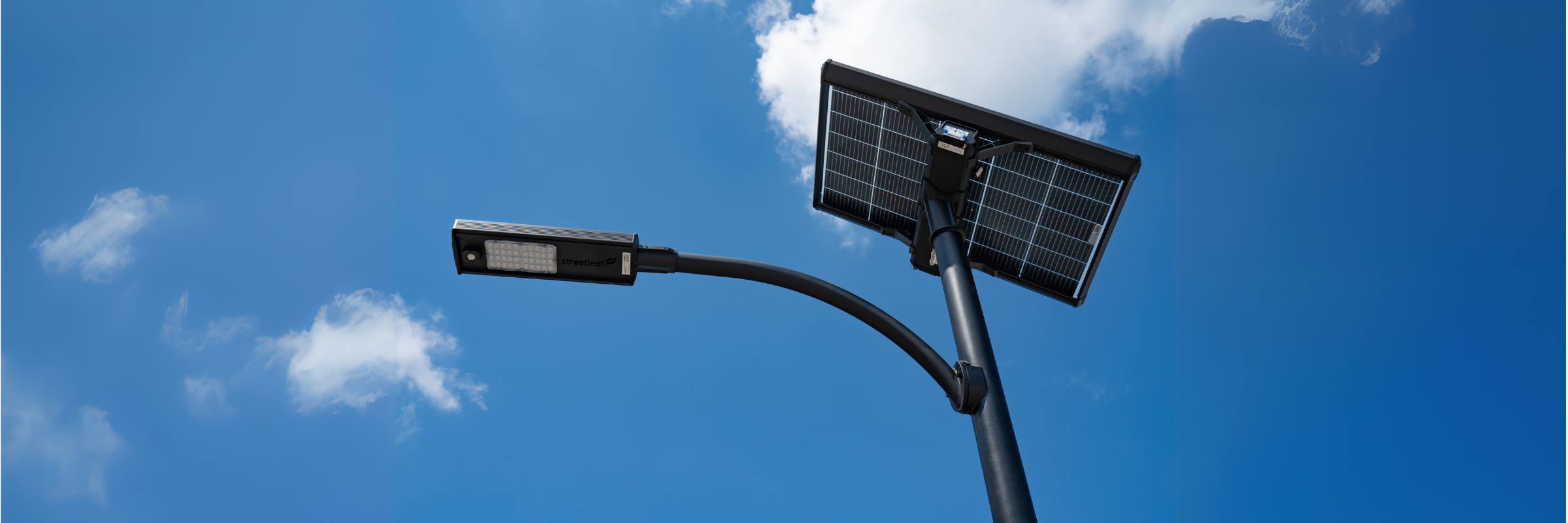
Streetleaf AVE solar streetlight against blue sky
Technical Knowledge

Engineering & Standards

Learn about Cat 5 hurricane resistance, bifacial panel technology, and battery reserve dynamics.

Family walking under Streetleaf solar streetlights in a neighborhood
Case Studies

Real-World Projects

See how developers, HOAs, and municipalities achieve zero grid dependency.

0%

HOA Solar Lighting can make a shared path feel safer without trenching cables across lawns or disrupting established landscaping. But a neat-looking fixture is not automatically a dependable one. Buyers need to compare light output, battery capacity, panel placement, weather resistance, and replacement-part availability. A shaded entrance beside a brick wall behaves differently from an open parking area. Small details matter.

Solar-energy pioneer Thomas Edison is often quoted as saying, “I’d put my money on the sun and solar energy.” His words capture the promise, not every practical limitation. For homeowners’ associations, the real test comes after installation: Do lights stay bright through cloudy weeks? Can crews clean panels safely? Are color temperature and brightness comfortable for residents? An elegant product sheet may not answer those questions.

This guide offers seven practical checks for global buyers evaluating HOA Solar Lighting. It covers site assessment, fixture quality, batteries, controls, installation, maintenance, and supplier support. Look for clear specifications and credible test information, then compare them against the actual site. A sample fixture on a shaded walkway can reveal more than a polished catalog image. And yes, even careful planning can miss something. Seasonal shade, for instance, may change the result. That deserves a second look.
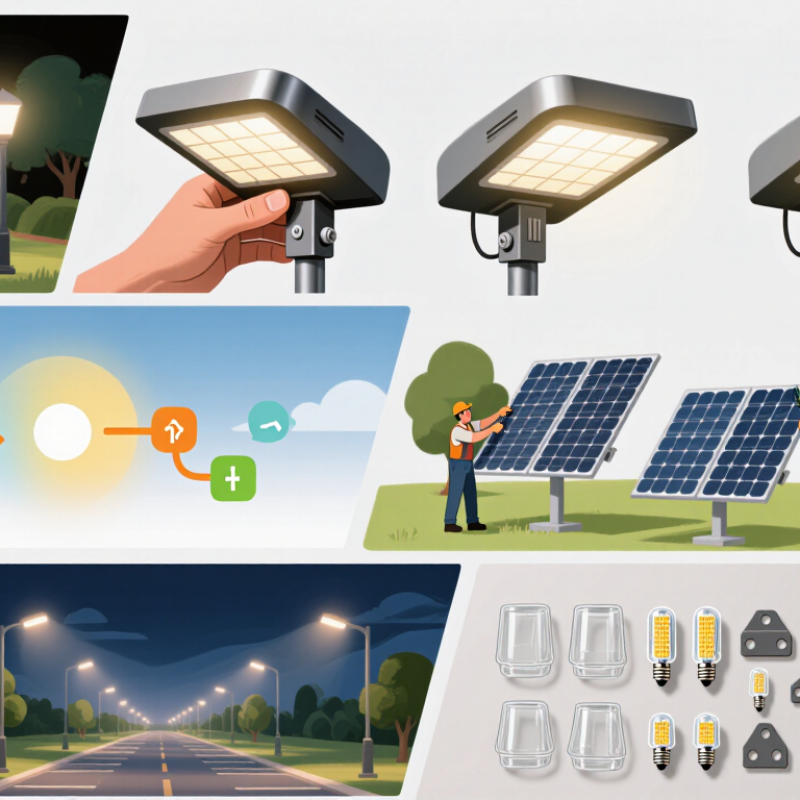
7 HOA Solar Lighting Tips for Global Buyers

Understanding HOA Solar Lighting and Global Buying Needs

HOA solar lighting is shared outdoor lighting powered by panels and rechargeable batteries. For global buyers, the challenge is matching equipment to both community preferences and local conditions. An HOA may care about fixture height, finish, brightness, glare, and consistent placement along paths. Ask for written design guidelines before ordering; a small sample near an entryway can reveal whether the light feels too harsh at night. Details matter.

Sunlight varies widely by season, latitude, tree cover, and building orientation. A panel that performs well in a bright summer courtyard may struggle beside a shaded walkway in winter. Check the product’s operating range, battery capacity, charging time, and expected runtime, then compare them with the actual site. Look for clear technical documentation and replacement-part availability. Shipping a small component across borders can take longer than expected.

Global purchasing also means checking dimensions, mounting methods, packaging, and whether instructions are easy to follow. Confirm that the fixtures suit local weather, including heavy rain, dust, or freezing nights. Ask the supplier how brightness is measured and whether settings can be adjusted; “bright” is not a useful specification by itself. HOA approval processes differ, so avoid assuming one community’s rules apply elsewhere. Even careful planning misses something. A night-time trial often catches it.

Reviewing HOA Rules, Local Codes, and Placement Requirements

HOA approval and local compliance are separate checks, and one does not replace the other. Before ordering fixtures, request the current architectural guidelines and ask whether solar lights need written approval. Rules may specify fixture height, finish, brightness, color temperature, or visible panel placement. Keep the response in writing; verbal guidance can be hard to verify later.

Local requirements vary by city and property type. Check with the relevant planning or building office about easements, setbacks, protected trees, historic areas, and lighting near roads. A light that fits an HOA diagram may still obstruct a shared path or create glare for drivers. If a requirement is unclear, send the fixture dimensions and a simple site sketch to the appropriate office. Small details matter.

Mark proposed locations with temporary stakes at dusk. Note where shadows fall, where neighbors see the beam, and whether shrubs may block the panel in winter. Leave access to utility boxes and maintenance routes. For shared or leased properties, confirm who can authorize installation and who will maintain it. Ask before digging. I would not assume a quiet installation is automatically approved; that assumption is easy to regret. Keep photos, approvals, and code notes together, even when the process feels overly cautious.

7 HOA Solar Lighting Tips for Global Buyers — Reviewing HOA Rules, Local Codes, and Placement Requirements
Tip What to Review Practical Placement Guidance What to Confirm Locally
1 Read the HOA’s current rules for exterior fixtures, landscaping, shared areas, and architectural changes. Identify whether the proposed lights will be attached to a building, installed in a yard, or placed in a common area. Whether written approval is required, which application documents are needed, and whether there are restrictions on fixture appearance or finish.
2 Check who owns and maintains the installation location. Keep fixtures on the property area assigned to the owner unless the HOA has authorized work in a shared space. Property boundaries, easements, common-area responsibilities, and who is authorized to approve installation or maintenance.
3 Review local rules for outdoor lighting, including light trespass, glare, curfews, and protected areas. Aim lights downward and toward the area being illuminated; avoid directing light into neighboring windows, roads, or habitats. Applicable municipal or regional lighting ordinances, dark-sky requirements, and any wildlife or coastal protections.
4 Check building, electrical, and fire-safety requirements for the fixture and its installation. Use fixtures rated for the intended outdoor exposure and install them according to the manufacturer’s instructions. Whether a permit, inspection, approved mounting method, or qualified installer is required. Requirements vary by jurisdiction and installation type.
5 Assess sunlight, shade, and seasonal changes before selecting a location. Place the solar panel where it receives suitable direct sunlight and is less likely to be shaded by trees, rooflines, or nearby structures. Local weather patterns, winter daylight, tree growth, and whether the selected position can be maintained without affecting shared landscaping.
6 Consider pedestrian access, visibility, and site safety. Keep fixtures and stakes clear of walkways, accessible routes, driveways, drainage paths, and equipment access. Local accessibility rules, setback requirements, underground utility locations, and any HOA standards for paths or common spaces.
7 Document the proposal and confirm ongoing upkeep before installation. Submit a simple plan showing fixture locations, dimensions, light direction, and the area to be illuminated. Approval conditions, maintenance duties, battery or panel replacement expectations, and rules for removing or relocating fixtures later.

Buyer reminder: HOA documents and local requirements differ by community and jurisdiction. Obtain written HOA guidance and verify applicable codes with the relevant local authority before installation.

Matching Solar Lighting Types to Climate and Site Conditions

For HOA paths, match the fixture to the site, not just the appearance. Open, sunny courtyards can use compact path lights; tree-lined walks often need larger panels or remote panels positioned beyond the canopy. Shade changes everything. Check winter sun angles, nearby buildings, and the hours of useful light before setting spacing.

Climate & performance
Climate affects output and battery performance. NREL’s PVWatts technical documentation uses a default crystalline-silicon temperature coefficient of about −0.37% per °C, illustrating why hot panels can produce less power than they do at standard test conditions. Treat that figure as a modeling default, not a guarantee for every product. In hot regions, favor designs with verified thermal operating limits. In cold or snowy areas, check battery charging limits and panel tilt; snow cover can block charging for days.

For coastal or rainy sites, look for documented ingress protection and corrosion resistance, then check whether the rating suits the actual exposure. A sheltered garden and a wind-driven shoreline are not the same test. The World Bank and ESMAP’s Global Solar Atlas provides long-term solar-resource maps, but annual averages can hide cloudy-season dips. Compare monthly data for the installation location, then allow practical reserve for consecutive overcast days. I would still inspect a sample after heavy rain; paperwork cannot reveal every drainage flaw.

Checking Product Quality, Safety Standards, and Supplier Credentials

For an HOA, solar lights must do more than look attractive in a supplier’s catalog. Ask for a sample and inspect its panel, housing, fasteners, and seals. Small details matter. Check whether the light stays stable on a shaded test site and after a rainy night. Review battery capacity, expected runtime, and how performance changes in cold or hot weather. Request test reports for the exact model, not a similar product. A polished brochure is not proof.

Safety documents should match the destination market and product configuration. Ask which standards the supplier claims to meet, then verify certificates and reports with the issuing organization where possible. Check ratings for water and dust protection, electrical safety, and battery transport. Requirements differ by country, so avoid relying on a single generic certificate. Ask for material declarations and clear instructions for installation and maintenance. Labels should be readable, and wiring should be protected from sharp edges.

Supplier credentials deserve the same scrutiny as product claims. Request a registered business address, recent inspection records, traceable production details, and references for comparable outdoor projects. Ask who handles warranty claims and replacement parts, and get response times in writing. I can see why buyers sometimes rush this check; price comparisons feel easier. Still, an unclear answer about testing or repairs is worth pausing over. A small trial order may reveal packaging damage, inconsistent brightness, or missing paperwork before a full HOA purchase.

Planning Installation, Maintenance, and Long-Term Costs

Before comparing solar lights, map the site at different times of day. A path shaded by trees may receive far less charging than an open entrance. Check winter sun, nearby windows, and existing light levels. Choose brightness for the task, not just the largest number on a product sheet. Warm, shielded light can reduce glare for residents. Small details matter.

For installation, confirm the HOA’s design preferences and approval process before ordering. Mark fixture locations on a simple site plan, including walkways, planting beds, and service access. Check local weather exposure, drainage, and soil conditions; wind and standing water can shorten equipment life. Ask installers how they will secure poles and avoid underground utilities. Keep the plan and product specifications on file. A rushed layout can look fine on paper, then obstruct mowing.

Long-term costs include more than the purchase price. Compare battery replacement intervals, warranty coverage, spare-part availability, and expected cleaning needs. Dust, salt, snow, or leaves can block panels, so assign someone to inspect them seasonally. Track faults and repairs in a shared maintenance log. Performance estimates are not guarantees; heavy shade or cloudy seasons may require a different layout. Budget for replacements, even when the first year goes smoothly.

FAQS

How should an HOA choose solar lights for different areas?

Match each fixture to its location. Open courtyards may suit compact path lights, while tree-lined walks may need larger or remote panels. Shade wins.

What should be checked before deciding how far apart lights go?

Observe the site during different seasons and times of day. Check tree cover, winter sun, nearby buildings, and existing light levels before setting spacing.

How can hot weather affect solar lighting?

Heat can reduce panel output. Check the fixture’s documented operating limits, rather than treating general performance estimates as guarantees.

What matters in cold or snowy locations?

Review battery charging limits and panel tilt. Snow can cover a panel for days. That detail is easy to overlook.

What should HOAs consider for rainy or coastal sites?

Check documented water protection and corrosion resistance for the actual exposure. A sheltered garden is different from a wind-driven shoreline.

How can an HOA plan installation carefully?

Mark lights, paths, planting beds, and service access on a site plan. Confirm approval, drainage, soil conditions, and underground utilities before installation.

What costs should be considered beyond the purchase price?

Include battery replacements, warranties, spare parts, and seasonal cleaning. Dust, salt, snow, and leaves can block panels.

How can an HOA keep lights working over time?

Assign someone to inspect fixtures seasonally and record faults in a shared maintenance log. Budget for replacements, even after a smooth first year. A plan can still miss things.

Conclusion

HOA Solar Lighting can help homeowners and community managers improve outdoor visibility while making practical use of solar energy. For global buyers, choosing suitable lighting starts with understanding how homeowners association rules, local building codes, and placement requirements may affect fixture locations, brightness, and appearance. Buyers should also consider the site’s sunlight, weather, temperature range, and intended use, since these conditions influence which lighting types and specifications are appropriate.

Before purchasing, review product quality, safety certifications relevant to the destination market, warranty terms, and supplier credentials. Compare expected performance with the needs of pathways, entrances, shared spaces, or other approved areas. A well-planned project also accounts for installation methods, routine cleaning, battery or component replacement, and other long-term expenses. By evaluating these factors together, buyers can select solar lighting that fits community requirements, local conditions, and maintenance expectations.

Amelia

Amelia

Amelia is a professional marketing specialist dedicated to helping customers better understand innovative products, practical solutions, and the value they can bring to everyday business and personal needs. With a strong background in market research, content strategy, and customer communication,......