
Insights & News

Solar Lighting Blog

Industry trends, technical guides, and case studies on storm-resilient solar streetlights.

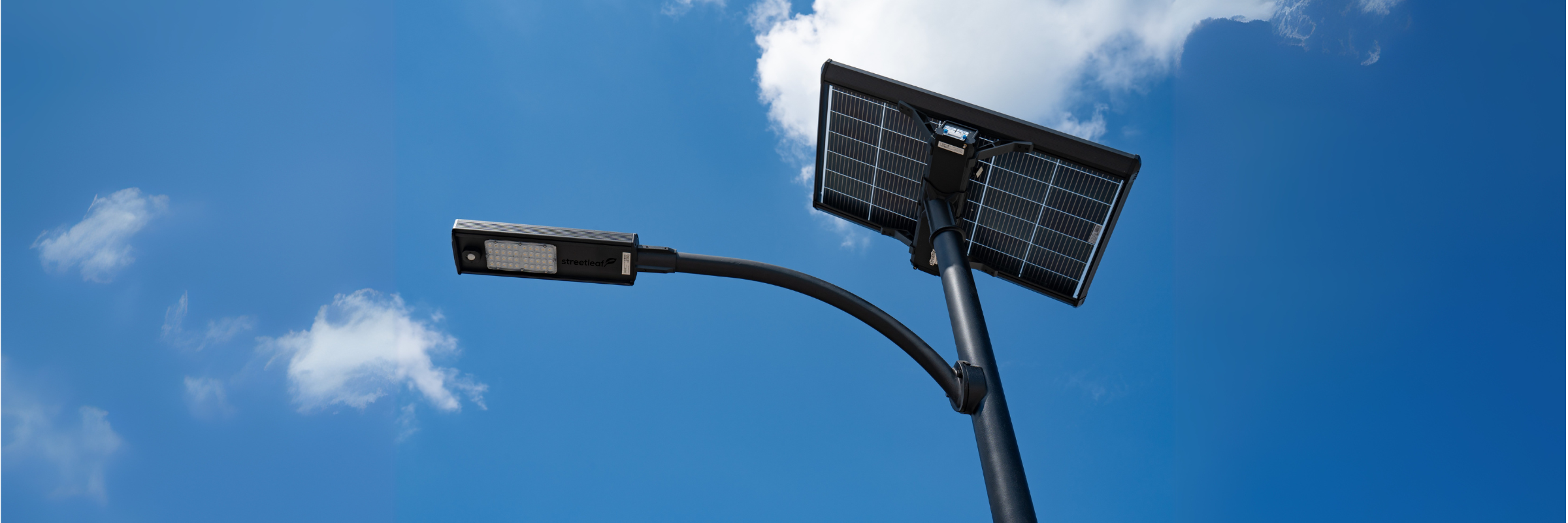
Streetleaf AVE solar streetlight against blue sky
Technical Knowledge

Engineering & Standards

Learn about Cat 5 hurricane resistance, bifacial panel technology, and battery reserve dynamics.

Family walking under Streetleaf solar streetlights in a neighborhood
Case Studies

Real-World Projects

See how developers, HOAs, and municipalities achieve zero grid dependency.

0%

Choosing Solar Streetlights in 2026 requires more than comparing brightness and price. A reliable system must match local sunlight, road use, weather, and maintenance capacity. A quiet village lane needs a different design from a busy urban junction. The best choice begins with evidence from the installation site.

Measure daily sunlight, shade patterns, pole spacing, and nighttime traffic. Check the panel’s rated output, battery chemistry, operating temperature, and expected service life. Lithium iron phosphate batteries often provide strong cycle performance, but they still need suitable charging control. Review lighting distribution, not only lumen claims. A narrow road requires even coverage without dangerous dark gaps. Ask suppliers for photometric files, test reports, warranty terms, and documented performance data. Independent verification matters.

Smart controls can reduce energy use through dimming and motion detection. However, extra features may increase failure points and repair costs. Keep that in mind. In coastal areas, corrosion protection deserves close attention. In cold climates, battery capacity may fall during long winter nights. Maintenance teams should reach the battery and controller without special equipment. This practical detail is easy to miss.

No product is perfect. A higher initial cost may reduce replacements, but only when the equipment is correctly installed and maintained. Some projected savings also look better on paper than in real streets. This guide examines proven selection methods, common technical mistakes, and realistic lifecycle costs. It aims to help buyers make safer, clearer decisions based on local conditions, measurable performance, and dependable supplier support.
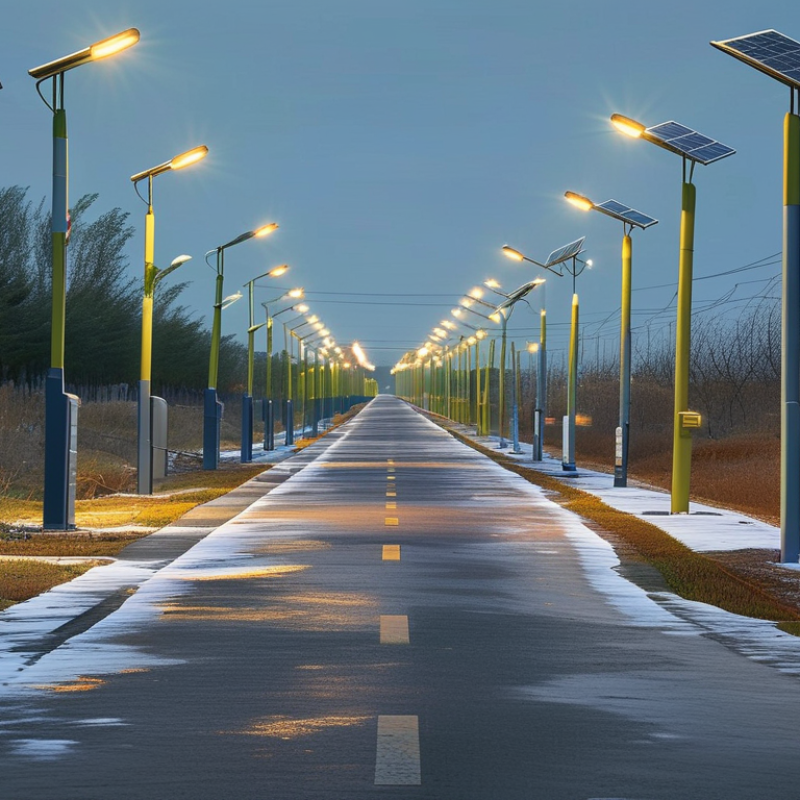
How to Choose Solar Streetlights in 2026?

Solar Streetlight Basics and Key Components

How to Choose Solar Streetlights in 2026?

Solar streetlights combine a photovoltaic panel, battery, LED module, controller, pole, and lighting fixture. Each part affects brightness, operating time, and maintenance needs. Start with the road, not the product label. Measure road width, pole spacing, traffic levels, and nighttime activity. A narrow residential lane needs different optics from a wide public road.

The LED module determines usable illumination. Check its wattage, lumen output, color temperature, and light distribution. A higher wattage does not always create better visibility. Poor optics can waste light beside the road. The solar panel must match local sunlight conditions and seasonal weather. Battery capacity should cover several nights, not only one clear evening. For cloudy periods, allow practical reserve.

Battery chemistry matters. Lithium iron phosphate batteries usually offer strong cycle life and stable performance when properly managed. The controller should include charging protection, low-voltage protection, and programmable dimming. Motion sensors can reduce consumption, but their detection range needs testing around trees, parked vehicles, and pedestrians.

Small details matter.

Inspect the enclosure rating, cable seals, fasteners, and ventilation before installation. Dust and moisture often cause earlier failures than expected. Ask for photometric files, battery test records, and warranty terms with clear conditions. Field results can differ from laboratory figures.

That uncomfortable gap deserves attention. I would also check whether replacement batteries and LED modules remain accessible after installation. A perfect specification is rare; a serviceable system is usually the wiser choice.

Assessing Site Conditions and Lighting Requirements

Before choosing a solar streetlight in 2026, inspect the site after sunset and during poor weather. Record road width, mounting height, pole spacing, pedestrian activity, and nearby obstructions. Trees, buildings, and seasonal shadows can reduce charging energy significantly. Global Solar Atlas data should be checked for local irradiation, not just annual sunshine claims. The IEA PVPS Trends 2024 report recorded 456 GW of new solar capacity worldwide in 2023, but global growth does not guarantee strong winter performance at one location.

Lighting requirements must be measurable. Identify the road class, target illuminance, operating hours, and acceptable uniformity before comparing products. CIE 115:2010 and EN 13201 provide recognized methods for road-lighting classes, maintained illuminance, and glare control. A dark rural lane may need less light than a busy junction, yet uneven lighting can still create unsafe bright and dark patches. The U.S. Department of Energy reports that suitable LED roadway retrofits can reduce lighting energy use by 50% or more.

Battery sizing should use the worst credible solar period, not the yearly average. Ask for autonomy calculations, temperature limits, and tested lumen maintenance. A spreadsheet may look precise, while a shaded pole quietly fails in January. I would also verify measurements on-site, because design assumptions are often optimistic. Keep room for correction. Real streets rarely behave perfectly.

Comparing Solar Panel, Battery, and LED Specifications

How to Choose Solar Streetlights in 2026?

Comparing Solar Panel, Battery, and LED Specifications

Solar panels should be judged by more than their wattage. The IEA PVPS Trends in Photovoltaic Applications 2024 report recorded about 1.6 terawatts of global PV capacity by the end of 2023. That growth improves component availability, but it does not guarantee good nighttime performance. Check rated power, temperature coefficient, low-light output, and panel orientation. A 120-watt panel may underperform when dust, shade, or winter angles reduce charging. I still distrust brochures showing only peak wattage.

Battery selection requires usable energy, not just nominal capacity. BloombergNEF reported an average lithium-ion pack price of 115 US dollars per kWh in 2024. Price has fallen, but cold weather and deep discharge can shorten service life. Compare battery chemistry, permitted depth of discharge, cycle-life testing, operating temperature, and protection systems. Calculate energy from watt-hours, then include several cloudy nights. A simple formula is not enough. Local weather records matter.

LED specifications should connect light output with roadway requirements. Compare delivered lumens, efficacy in lumens per watt, beam distribution, color temperature, color rendering, and lumen maintenance. The U.S. Department of Energy’s 2023 solid-state lighting report highlights efficacy, thermal control, and intelligent dimming as continuing development priorities. Higher lumens can create glare rather than safer streets. Choose optics that place light on the road, not into windows. Field measurements often reveal uneven lighting, even when laboratory figures look impressive.

Selecting Smart Controls, Mounting Options, and Protection Features

How to Choose Solar Streetlights in 2026?

Smart controls should match real pedestrian and traffic patterns, not simply add more software. The IEA’s Energy Efficiency 2023 report estimates that lighting uses about 15% of global electricity. Solar lighting can reduce grid demand, but poor control settings still waste stored energy. Choose programmable dimming, motion detection, and remote fault alerts. A practical profile might maintain full brightness at dusk, dim to 30% after midnight, then brighten when movement is detected. Test this schedule on site. Sensors can misread rain, leaves, or passing animals.

Mounting decisions affect both light coverage and system survival. Check pole height, arm length, panel tilt, and local wind exposure together. The World Bank’s Global Solar Atlas provides solar resource data, but it cannot replace a site survey. Nearby trees and buildings may create seasonal shadows. Use corrosion-resistant hardware and allow safe access for battery replacement. A technically efficient panel becomes a maintenance problem if workers need special equipment every time.

Protection features deserve equal attention. Select outdoor housings with suitable IP ratings, impact resistance, surge protection, and battery temperature controls. IEC 60598-1 provides a recognized safety framework for luminaires, while IEC 62257 guidance supports renewable energy system quality. Field conditions remain unpredictable. Dust may enter through damaged seals, and water can collect around poorly angled enclosures. The Global Off-Grid Solar Market Report 2024 highlights the importance of quality assurance as off-grid systems expand. Do not trust one impressive datasheet. Verify test certificates, warranty conditions, and actual night-time performance before purchase.

Checking Standards, Installation Needs, and Long-Term Costs

How to Choose Solar Streetlights in 2026?

Standards should guide the purchase, not glossy performance claims. Check local electrical rules, lighting requirements, and public-road safety provisions. Request independent test reports for battery safety, photovoltaic output, ingress protection, and impact resistance. Photometric data should show uniform illumination, not only maximum brightness. A qualified lighting engineer can verify whether the reported figures match your road layout. Paperwork matters.

Installation conditions often decide real performance. Inspect the site at different times of day. Nearby trees, buildings, and seasonal shadows can reduce charging. Measure soil strength before selecting foundations and pole dimensions. Check drainage, wind exposure, cable protection, and maintenance access. Keep spacing practical. A powerful lamp cannot fix poor placement.

Long-term cost needs a wider calculation. Include excavation, transport, commissioning, cleaning, battery replacement, inspections, and end-of-life handling. Ask how performance changes after several years, not only on the first night. Remote monitoring may reduce service visits, but it adds equipment and technical dependence. Warranty terms should identify labor, batteries, controllers, and response times clearly. Small details become expensive.

Field evaluations sometimes reveal an uncomfortable gap between specifications and conditions. Dust, heat, shade, and vandalism can alter results. I would test one section before approving a full installation. That approach costs time, yet it can expose weak assumptions early. Forecasts are useful, but never perfect.

FAQS

What are the main parts of a solar streetlight?

The main parts include a solar panel, battery, LED module, controller, pole, and lighting fixture. Each part affects brightness, runtime, and maintenance.

How should I assess a site before choosing a solar streetlight?

Visit the location after sunset and during poor weather. Measure road width, pole spacing, mounting height, traffic, pedestrians, trees, buildings, and seasonal shadows.

Does higher LED wattage always provide better lighting?

No. Not always. Light distribution and optical design matter more than wattage alone. Poor optics may brighten the roadside instead of the driving area.

How should the solar panel be matched to local conditions?

Use local sunlight data and consider winter conditions. Nearby trees or buildings can reduce charging energy, even when annual sunshine appears sufficient.

How much battery capacity is needed?

The battery should support several nights without strong sunlight. Size it for the worst credible cloudy period, not one bright evening.

What battery features deserve attention?

Lithium iron phosphate batteries often provide stable performance and long cycle life. Check temperature limits, test records, protection settings, and replacement access.

What should a solar streetlight controller provide?

The controller should include charging protection, low-voltage protection, and programmable dimming. Motion sensors can save energy, but their detection range needs real testing.

What should be inspected before installation?

Check the enclosure, cable seals, fasteners, ventilation, and mounting points. Dust and moisture may cause failure earlier than expected. Small gaps matter.

Which documents should suppliers provide?

Ask for photometric files, battery test records, autonomy calculations, lumen-maintenance data, and clear warranty conditions. Laboratory results may differ from street performance.

What is the most practical selection principle?

Choose a system that is easy to service, not merely impressive on paper. Replacement parts should remain accessible after installation. Perfect specifications are rare.

Conclusion

Choosing Solar Streetlights in 2026 requires more than comparing prices or appearance. Start by understanding the main components, including the solar panel, battery, LED lamp, controller, pole, and protective housing. Evaluate the installation site carefully by considering sunlight exposure, road width, traffic flow, weather conditions, mounting height, and the required lighting level. These factors help determine the appropriate panel capacity, battery storage, LED power, beam angle, and operating schedule.

It is also important to compare intelligent controls, such as motion sensing, dimming, remote monitoring, and automatic fault alerts. Select mounting options that suit the local environment, and check protection against water, dust, corrosion, heat, and impact. Before purchase, confirm applicable safety standards, installation requirements, maintenance access, and replacement procedures. A complete cost assessment should include equipment, transportation, installation, battery replacement, cleaning, and long-term energy savings. The best solution is one that provides reliable illumination, efficient operation, easy maintenance, and stable performance throughout its expected service life.

Amelia

Amelia

Amelia is a professional marketing specialist dedicated to helping customers better understand innovative products, practical solutions, and the value they can bring to everyday business and personal needs. With a strong background in market research, content strategy, and customer communication,......