
Insights & News

Solar Lighting Blog

Industry trends, technical guides, and case studies on storm-resilient solar streetlights.

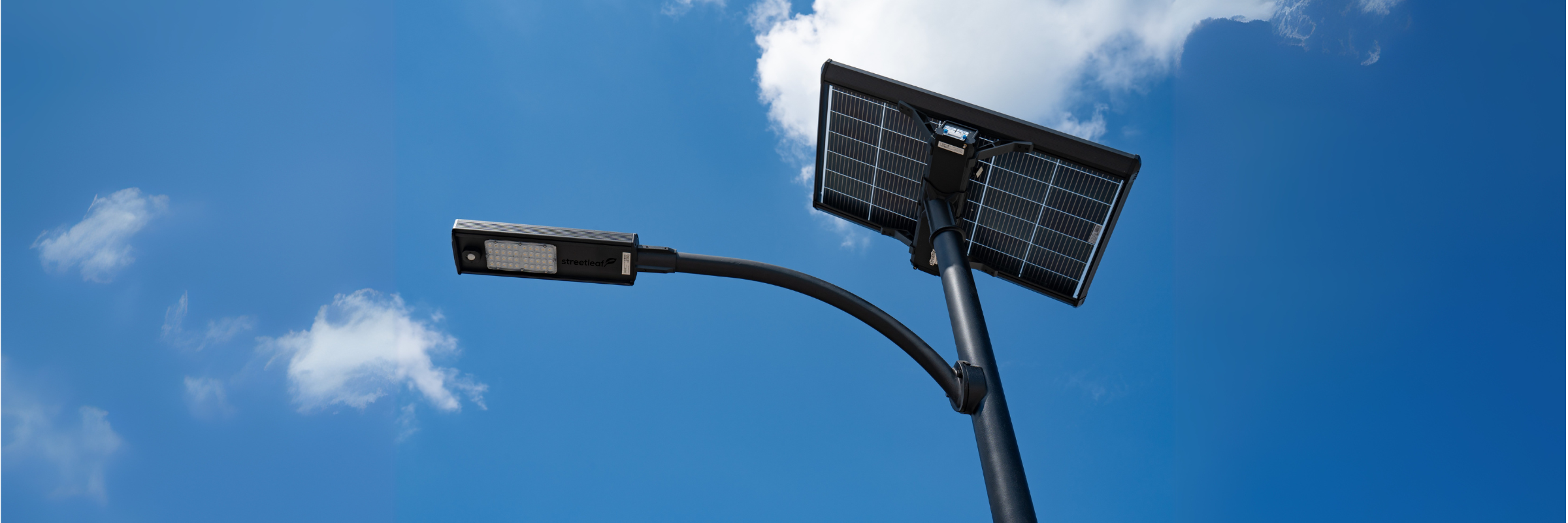
Streetleaf AVE solar streetlight against blue sky
Technical Knowledge

Engineering & Standards

Learn about Cat 5 hurricane resistance, bifacial panel technology, and battery reserve dynamics.

Family walking under Streetleaf solar streetlights in a neighborhood
Case Studies

Real-World Projects

See how developers, HOAs, and municipalities achieve zero grid dependency.

0%

Commercial Solar Lighting is becoming a practical choice for businesses seeking safer, cleaner, and more predictable outdoor illumination. It can light parking areas, walkways, entrances, loading zones, and remote signs without trenching long electrical cables. During installation, businesses may avoid major ground disruption, construction delays, and expensive utility extensions. That matters when a retail park, warehouse, or hotel must remain operational.

Francesco La Camera, Director-General of the International Renewable Energy Agency, has said, “Renewables are the cheapest source of new power generation in most of the world today.” His observation supports the wider business case for solar technology, although lighting projects still require careful design. A solar fixture needs the right panel angle, battery capacity, LED output, and operating schedule. A shaded parking lot can weaken performance. A poorly sized battery can create dark mornings after several cloudy nights.

The strongest projects begin with a site assessment, not a product brochure. Experienced installers examine seasonal sunlight, pedestrian movement, security needs, and local weather patterns. They also plan access for battery replacement and routine cleaning. Commercial Solar Lighting can reduce ongoing energy costs and support visible sustainability goals, but it is not a magic solution. Performance varies by location and maintenance quality. That limitation deserves attention.

For many businesses, the real value is simple: reliable light where grid connection is difficult or costly. The decision becomes clearer when safety, lifecycle expenses, installation time, and environmental priorities are considered together. Some assumptions may prove wrong. Good planning leaves room to improve.
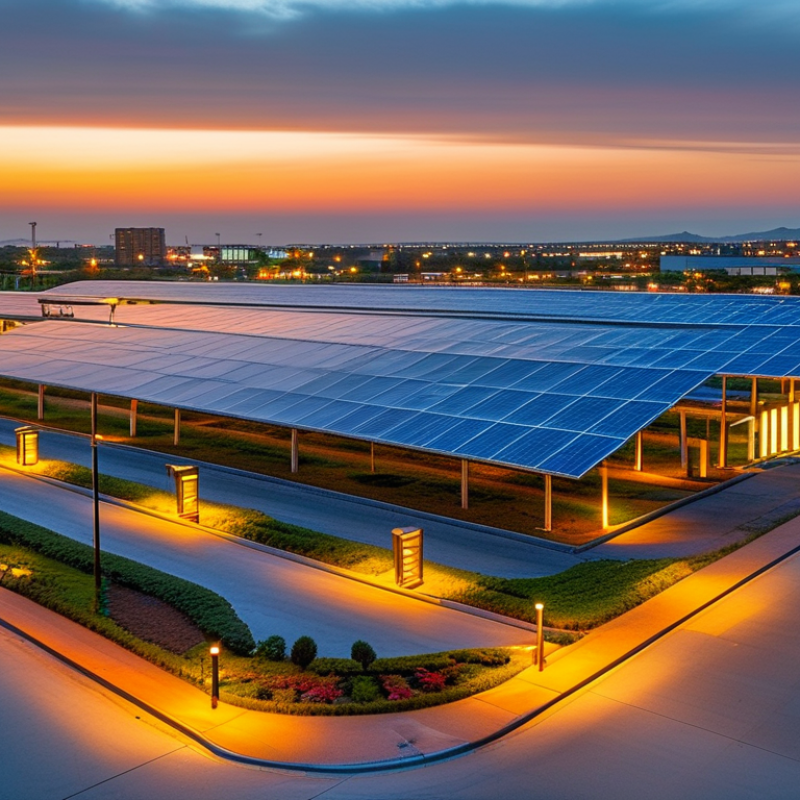
Why Choose Commercial Solar Lighting for Your Business?

What Commercial Solar Lighting Is and How It Works

Why Choose Commercial Solar Lighting for Your Business?

Commercial solar lighting is an outdoor lighting system powered by sunlight instead of a traditional electrical connection. It usually includes a solar panel, rechargeable battery, LED fixture, controller, and mounting structure. During daylight, the panel converts sunlight into electricity and stores it in the battery. After sunset, the controller releases energy to power the LED light. Sensors can adjust brightness or activate lighting when movement is detected.

From practical site assessments, placement often determines performance. Panels need clear exposure, while nearby buildings, trees, dust, and seasonal shadows can reduce charging. Battery capacity also matters during cloudy weather or long winter nights. A well-designed system can illuminate parking areas, walkways, entrances, and remote business spaces without trenching for underground cables. However, solar lighting is not automatically maintenance-free. Batteries age, panels collect dirt, and poor positioning can create uneven lighting. Small details matter. The design should match local weather, operating hours, safety needs, and expected traffic.

Tips: Measure nighttime brightness before installation. Check shadows during different seasons. Choose lighting controls that fit actual business activity. Keep panels clean and inspect batteries regularly. Over-lighting can waste stored energy, while under-lighting may leave dark areas. Test the system after several cloudy days, not only on a sunny afternoon.

Why Choose Commercial Solar Lighting for Your Business?

Commercial solar lighting uses photovoltaic panels to convert sunlight into electricity, batteries to store energy, and LED fixtures to provide illumination after dark. Because the fixture operates from stored solar energy, it does not require electricity from the grid during normal operation.

Calculation basis: 50 watts × 12 operating hours per night × 365 days = 219 kWh per year for a grid-connected fixture. The solar option is shown as 0 kWh of grid electricity because its operating energy is supplied by its photovoltaic panel and battery. Actual performance depends on sunlight, battery capacity, controls, weather, and operating schedules.

Reference: U.S. Department of Energy, Energy Saver guidance on LED lighting energy efficiency and service life.

Key Benefits for Business Operations and Property Management

Why Choose Commercial Solar Lighting for Your Business?

Commercial solar lighting can support daily operations while reducing dependence on grid electricity. In practical site assessments, well-positioned fixtures improve visibility around entrances, walkways, parking areas, and loading zones. Employees notice safer routes during early shifts. Customers also receive clearer guidance after sunset.

For property managers, solar systems can simplify planning and control recurring energy expenses. Independent lights may work well where trenching is expensive or underground wiring is disruptive. Modern units often use motion sensors, adjustable brightness, and battery storage. These features help lighting respond to real activity rather than run at full power all night. Maintenance teams should still inspect panels, batteries, poles, and connections. Small faults become costly when ignored.

Performance depends on more than sunlight. Shade from trees, dust, seasonal weather, and poor placement can reduce output. No installation is perfect. A careful assessment should review winter exposure, drainage, foot traffic, and emergency access before approval. Clear maintenance records also support reliable property management and future budgeting. Some businesses may expect immediate savings, but payback varies by location and usage. That is worth checking honestly. Combining solar lighting with regular inspections can create a practical, lower-maintenance environment without sacrificing operational visibility.

Types of Commercial Solar Lighting Systems

Commercial solar lighting comes in several forms, each serving a different business need. Pathway and bollard lights guide pedestrians around entrances, gardens, and walkways. Their lower height reduces glare near eye level. Pole-mounted area lights cover parking lots, loading zones, and broad outdoor spaces. They usually need stronger panels and larger batteries. Wall-mounted solar lights suit doors, service corridors, and small delivery areas. Motion sensors can increase brightness when movement appears. Solar floodlights provide wider illumination, but their beam angle needs careful adjustment.

From practical site assessments, placement often matters more than advertised brightness. A shaded wall can weaken daily charging, even with a high-rated panel. Winter weather, dust, and cloudy days also affect runtime. Integrated units are compact and easier to install. Split systems allow panels to face the sun independently. Smart systems may offer remote monitoring, dimming schedules, and fault alerts. These features improve maintenance decisions, though they add complexity. No system is perfect. I would not promise full-night performance without checking local conditions.

Tips: Map sunlight across the site before choosing equipment. Keep panels away from roof shadows, trees, and exhaust dust. Match each light type to its task, not just its appearance. Test brightness after installation. A walkway may need gentle guidance, while a parking entrance requires broader coverage. Review battery performance during the least sunny season, too.

Factors to Consider Before Choosing a Solar Lighting Solution

Why Choose Commercial Solar Lighting for Your Business?

Before choosing a solar lighting solution, examine the site, not just the panel rating. Map shadows from buildings, trees, signage, and delivery vehicles. A north-facing wall can reduce winter charging more than expected. The International Energy Agency reported nearly 420 gigawatts of solar photovoltaic capacity additions in 2023. That growth supports wider availability, but it does not guarantee strong performance at every site.

Light output, battery capacity, and operating hours must match real business activity. The U.S. Department of Energy states that LED lighting uses at least 75% less energy and can last up to 25 times longer than incandescent lighting. Even so, a smaller solar fixture may fail when loading bays stay active after midnight. Ask for measured illumination, battery autonomy, and performance data at low temperatures. Five cloudy nights matter.

Maintenance deserves equal attention. Check whether batteries, controllers, and LED modules can be replaced without removing the entire pole. Review the supplier’s testing records, warranty terms, and documented performance in similar climates. The Global Off-Grid Lighting Association has reported major progress in off-grid lighting access, yet product quality varies across markets. A simple payback estimate can also mislead. Include cleaning, battery replacement, security risks, and reduced grid connection costs. I would test one area first. Real shadows and real winter weather may challenge the original design.

Installation, Maintenance, and Long-Term Performance

Commercial solar lighting works best when installation is treated as infrastructure, not decoration. A site survey should measure sunlight, shadow movement, soil stability, drainage, and nighttime activity. The International Energy Agency reported that global solar PV capacity exceeded 1,400 GW in 2023, showing the technology’s growing maturity. Yet a mature technology can still fail through poor placement. Panels facing seasonal shade may leave walkways dim before dawn.

Installation crews should verify pole foundations, cable protection, battery housing, and lighting levels after sunset. Photometric testing matters near loading bays, entrances, and pedestrian routes. The U.S. Department of Energy reports that LED lighting uses at least 75% less energy than incandescent lighting and lasts up to 25 times longer. That advantage becomes weaker when batteries are undersized or lenses collect dust. No system is maintenance-free.

Tips: Schedule visual inspections every three to six months. Clean panels when dust, leaves, or bird deposits reduce exposure. Check battery voltage, corrosion, loose fasteners, and water intrusion. Keep a simple maintenance log with dates and measured failures. The National Renewable Energy Laboratory has reported a typical PV degradation rate near 0.5% annually, but real sites vary. That detail deserves humility. Harsh heat, salt air, shading, and careless repairs can shorten performance. Plan battery replacement cycles realistically, and review lighting output after major landscaping or construction changes.

FAQS

What types of commercial solar lighting systems are available?

Pathway and bollard lights guide pedestrians near entrances, gardens, and walkways. Pole-mounted lights cover parking lots and loading zones. Wall-mounted units suit doors and service corridors. Floodlights provide wider coverage. Each type has a different task.

How should I choose lighting for a specific area?

Match the fixture to the activity, not only its appearance. Use gentle light along walkways. Choose broader coverage near parking entrances and loading bays. Motion sensors can increase brightness when movement appears. Good placement matters more than impressive ratings.

Why is a site assessment important?

Buildings, trees, signs, and delivery vehicles can create charging shadows. A shaded wall may underperform despite having a strong panel. Map sunlight throughout the day. Check winter conditions, too. Shadows matter.

Should I choose an integrated or split solar lighting system?

Integrated systems are compact and usually simpler to install. Split systems let the panel face sunlight independently from the lamp. This helps when the light must sit beside a shaded wall. However, split systems may require more installation planning. Simple is not always better.

How do weather and seasons affect performance?

Cloudy days, dust, and winter sunlight can reduce battery charging. Cold conditions may also affect battery performance. Five cloudy nights matter. Review runtime during the least sunny season. I would not promise full-night operation without local testing.

What performance information should I request?

Ask for measured illumination, battery autonomy, and low-temperature performance data. Do not rely only on panel wattage or advertised brightness. A small fixture may struggle when loading continues after midnight. Test brightness after installation. The original estimate may be wrong.

What maintenance issues should a business consider?

Check whether batteries, controllers, and LED modules can be replaced separately. Removing an entire pole can increase labor and downtime. Keep panels clear of roof shadows, tree cover, and exhaust dust. Review cleaning needs and battery replacement costs. Maintenance is easy to underestimate.

Is solar lighting always cheaper for a business?

Solar lighting can reduce grid connection costs and ongoing energy use. LED fixtures generally consume less energy and last longer than incandescent lighting. A payback estimate should include cleaning, battery replacement, and security risks. Pilot one area before wider installation. Real winter weather may change the result.

Conclusion

Commercial Solar Lighting uses solar panels to capture sunlight during the day, store energy in batteries, and power outdoor fixtures after dark. For businesses and property managers, this approach can reduce electricity expenses, simplify lighting deployment in areas without convenient grid access, and support safer, more welcoming spaces such as parking lots, pathways, entrances, campuses, and public areas. Because the systems can operate independently from the utility network, they may also provide valuable lighting resilience during power interruptions.

Available options include solar streetlights, pathway lights, floodlights, security lights, and area lighting, each designed for different coverage and brightness needs. Before choosing a solution, businesses should evaluate sunlight availability, site layout, lighting levels, battery capacity, weather resistance, local requirements, installation conditions, and total ownership costs. Proper placement and professional installation help maximize performance, while periodic cleaning, inspections, and battery or component replacement can extend service life. With thoughtful planning and routine maintenance, Commercial Solar Lighting can deliver dependable long-term illumination and practical operational value.

Ethan Mercer

Ethan Mercer

Ethan Mercer is a professional marketing specialist dedicated to helping businesses understand, present, and improve their products in a clear and meaningful way. With extensive experience in product communication, market research, content strategy, and customer-focused storytelling, Ethan brings......