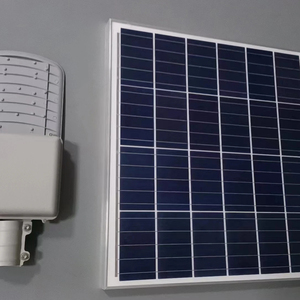
All in Two Outdoor Solar Street Light Two in One
- High-angle flexible solar panel mounting
- High-capacity LiFePO4 battery Pack
- Engineered for high-latitude construction zones

Modern civil engineering, highway paving, mining operations, and commercial construction projects require continuous, heavy-duty nighttime illumination to maintain strict milestones and safeguard worker safety. Traditional temporary grid connections or continuous diesel generator lighting towers impose massive overhead costs, heavy carbon footprints, and severe maintenance burdens. As China's premier manufacturer and exporter of heavy-duty construction site solar lighting solutions, we engineer high-lumen, autonomous off-grid luminaires engineered to withstand extreme vibrations, dust particulates, and violent weather storms.
Leveraging Grade-A N-Type Monocrystalline Bifacial PV Cells, deep-cycle Lithium Iron Phosphate (LiFePO4) energy storage, and smart MPPT dynamic power algorithms, our lighting systems deliver continuous night illumination across complex perimeter fences, heavy machinery access routes, staging yards, and municipal engineering roads.
Explore our field-tested portfolio of integrated (All-in-One), split-type, auto-cleaning, and commercial smart-controlled solar lighting fixtures engineered for global engineering contractors.
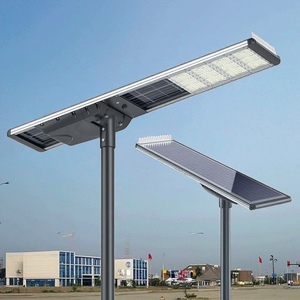
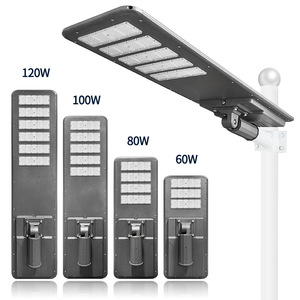
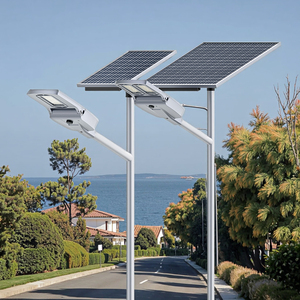
Deploying temporary or permanent solar lighting solutions across heavy civil work sites requires rigorous evaluation of mechanical durability, energy storage retention, and optical management.
Unlike standard ternary lithium or legacy lead-acid batteries, our construction luminaires feature Grade-A Lithium Iron Phosphate (LiFePO4) chemistry. Capable of surviving over 4,000 deep discharge cycles (80% DOD), these batteries function flawlessly under extreme thermal stress ranging from -20°C to +65°C without risk of thermal runaway.
Our intelligent Maximum Power Point Tracking (MPPT) algorithms track solar irradiance changes with a 99.8% tracking efficiency. Combined with AI-driven adaptive dimming profiles, system logic automatically scales power consumption during consecutive cloudy days to guarantee 5 to 7 days of unbroken overnight operation.
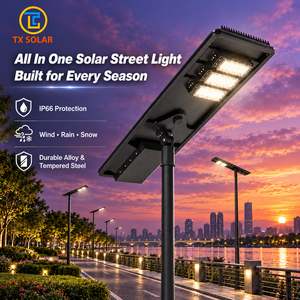
Construction sites generate intense airborne particulate matter, heavy vibrations from excavation equipment, and exposure to coastal salt spray. Built using extruded ADC12 high-density aluminum alloy and toughened optical PC lenses, our housings deliver IK10 impact protection and IP68 dust/water ingress resistance.
One of the primary causes of solar light failure on heavy earthwork, concrete mixing, and highway construction sites is photovoltaic dust soiling. Cement dust, fine silica, and mud splatter can reduce solar absorption efficiency by up to 60% within just a few weeks.
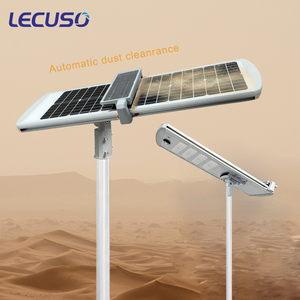
Our patented automatic self-cleaning solar streetlights utilize an integrated, high-torque dual-brush robotic arm. Programmable via smart timers or optical sensors, the mechanism wipes the solar panel glass clean twice daily—eliminating manual climbing maintenance, preventing cell hot-spot degradation, and keeping solar harvest at absolute peak capacity throughout the project lifecycle.
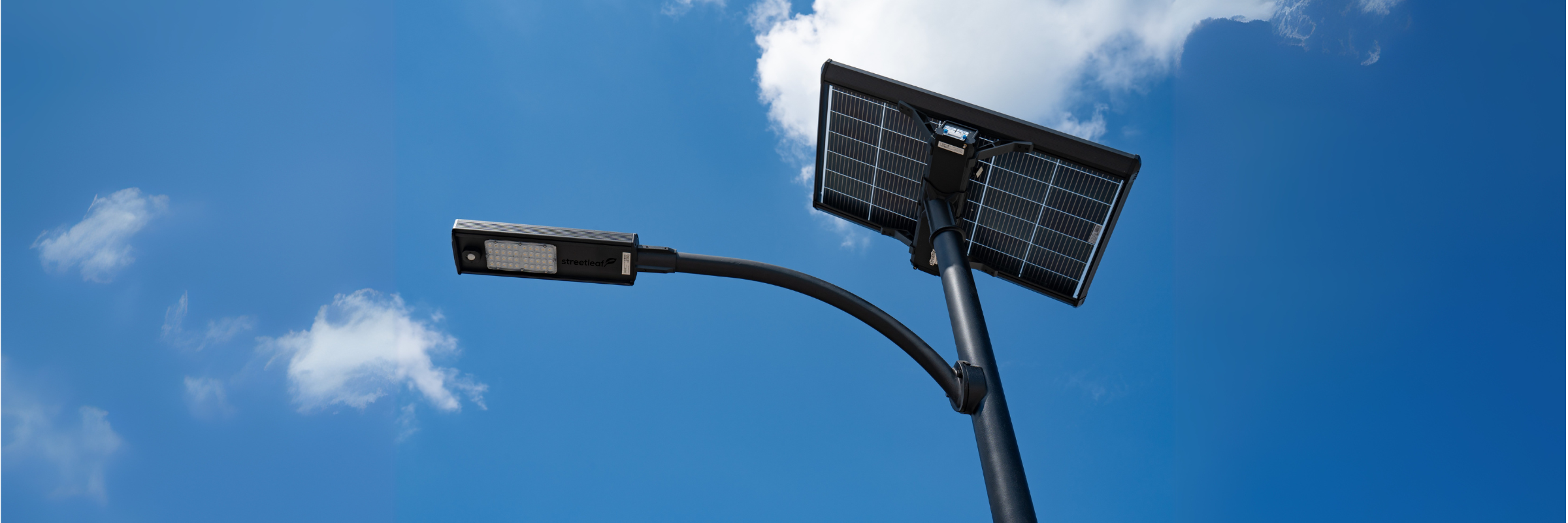
As environmental regulations tighten and infrastructure projects mandate zero-carbon worksite practices, global procurement managers are shifting away from legacy lighting. Key technological and procurement trends shaping the industry include:
Modern job site managers require real-time visibility across hundreds of scattered temporary light posts. Future-proof solar luminaires now feature built-in 4G/5G/LoRaWAN communication nodes, allowing remote telemetry monitoring of battery state-of-charge (SOC), real-time lumen dimming, fault alert diagnostics, and automated maintenance scheduling via a unified web dashboard.
By leveraging double-sided glass bifacial N-type monocrystalline solar modules, modern job-site solar lights harvest light not only directly from the sun but also from ground reflections (albedo effect off light concrete, gravel, or sand). This provides an additional 15% to 30% solar power yield, accelerating battery replenishment during shorter winter sunlight hours.
Environmental Impact Assessments (EIA) for highway and bridge projects frequently mandate compliance with Dark-Sky guidelines to protect nocturnal wildlife and residential zones adjacent to construction sites. Advanced full-cutoff optical lenses redirect 100% of downward light to the job ground, eliminating upward light pollution and harsh glares.

Global engineering firms and main contractors are bound by strict Scope 1 and Scope 2 carbon emission reduction goals. Replacing 100 standard diesel-powered lighting trailers with autonomous solar lighting systems eliminates hundreds of metric tons of CO2 emissions annually, while totally eliminating fuel haulage logistics, noise pollution, and hazardous oil spill risks.
Furthermore, with modular fast-clamp brackets, solar luminaires installed during temporary construction phases can be repurposed as permanent streetlights upon project completion—offering unmatched circular procurement efficiency.
With over 15 years of dedicated R&D, automated SMT production lines, and an export footprint spanning 80+ countries, we serve as the strategic OEM/ODM manufacturing backplate for international contractors, municipal buyers, and distributors.
Eliminate intermediary trading margins. We provide direct factory volume pricing, transparent bill-of-materials (BOM) customization, and flexible MOQ options for pilot engineering trials.
Every luminaire undergoes 72 hours of continuous burn-in aging tests, IP68 submersion testing, salt-spray corrosion chambers, and high-frequency vibration simulation matching off-road transport conditions.
From custom wind-load pole structural design to tailored optical beam spreads, personalized laser branding, and customized battery capacity sizing for extreme arctic or desert environments.
Key engineering and logistics inquiries addressed by our technical export specialists.
Our solar luminaires are engineered with intelligent MPPT dynamic power management and oversized LiFePO4 battery capacity. When battery reserve drops, system logic automatically scales light output via adaptive dimming curves and motion sensor triggers, guaranteeing uninterrupted night-long operation for up to 7 consecutive rainy days.
While initial solar capital expenditure is comparable, operating costs are zero. Diesel towers consume around 1.5 to 2.5 liters of fuel per hour, costing $3,000–$5,000 annually per light in fuel and maintenance alone. A solar lighting installation achieves full payback within 6 to 10 months of continuous worksite operation.
Yes. We supply specialized universal mounting brackets compatible with round poles, square scaffolding tubes, wall surfaces, and heavy-duty mobile trailer skids. This allow contractors to rapidly relocate light fixtures as job site work zones advance.
We recommend our Automatic Self-Cleaning Solar Light series for heavy earthwork and concrete sites. These models feature a built-in motorized wiper mechanism that cleans the glass solar panel surface twice daily, preventing dirt crusting and maintaining maximum photovoltaic energy yield.
All products are packaged in export-grade 5-layer corrugated cartons with custom-molded EPE foam protection. Batteries are tested and certified under UN38.3 and MSDS for safe maritime and air freight compliance, packed into ocean-ready wooden crates or full container load (FCL) configurations.
We provide a comprehensive 3-to-5-year full factory replacement warranty. In the rare event of a component defect (such as an MPPT controller or LED driver), we supply modular spare parts via express air freight free of charge, supported by plug-and-play field wiring harnesses for rapid replacement.
We offer complete OEM customization including custom housing paint colors (RAL codes), laser-etched client brand logos, custom optical beam angles (Type II, Type III, Type V), customized battery autonomy days, and specialized IoT wireless protocols.
Standard sample orders ship within 3 to 5 working days. Full container orders (20ft / 40HQ) require approximately 15 to 20 calendar days for complete production, aging testing, and loading inspection.
Contact our engineering support team today to receive a comprehensive product catalog, dial in custom IES photometrics for your job site layout, and get factory-direct quotation pricing.