
Engineered for Municipal Infrastructure, Rural Highway Networks, Commercial Logistics Hubs & Extreme Climates.
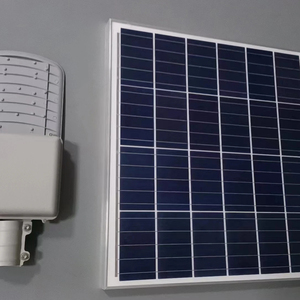
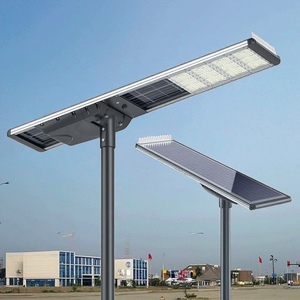
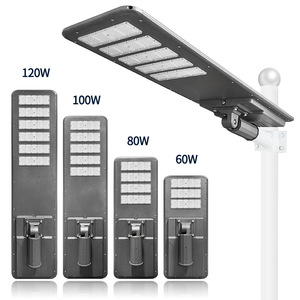
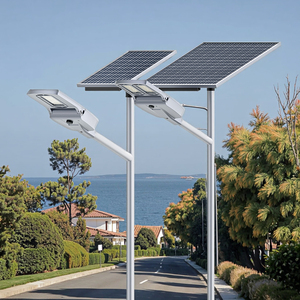
The global transition toward sustainable public infrastructure has shifted high-output solar streetlighting from a niche off-grid alternative into an imperative primary lighting technology. As municipal authorities, industrial park developers, and commercial utilities seek to eliminate grid dependency, traditional high-pressure sodium (HPS) and legacy grid-connected LED fixtures are rapidly being replaced by autonomous, storm-resilient photovoltaic streetlights engineered for high lumen density and prolonged autonomy.
As China’s leading high-output solar streetlights exporter, our manufacturing ecosystem combines cutting-edge bifacial solar module integration, aerospace-grade A-class LiFePO4 thermal management, smart IoT remote telematics, and patented automatic self-cleaning optical assemblies. This technical document examines the engineering paradigm, procurement economics, lifecycle performance, and regulatory compliance standards shaping global solar streetlight exports today.
Core Procurement Takeaway: High-output solar streetlights (ranging from 8,000 to over 32,000 operational lumens) eliminate 100% of underground cable trenching costs, transformer substation allocations, and monthly utility expenses, yielding full Return on Investment (ROI) within 18 to 24 months of installation.
Procuring high-output solar streetlights for municipal and industrial projects requires strict adherence to electro-optical, mechanical, and thermal parameters. Unlike standard residential solar lamps, municipal-grade solar lighting must guarantee zero downtime under extreme weather conditions, sandstorms, and prolonged low-irradiance rainy spells.
Utilizes N-type TOPCon bifacial glass-glass solar modules offering up to 22.8% cell efficiency. Integrated high-frequency digital MPPT controllers achieve 99.5% tracking efficiency with dynamic weather adjustment algorithms.
Engineered with ADC12 die-cast aluminum housings and hot-dip galvanized Q235B/Q355 steel poles rated for wind velocities up to 65 m/s (Category 5 hurricanes) without structural fatigue or optical displacement.
Incorporates automotive-grade Lithium Iron Phosphate (LiFePO4) battery packs featuring internal BMS over-charge, over-discharge, short-circuit, and thermal runaway protection across -20°C to +70°C ambient temperatures.
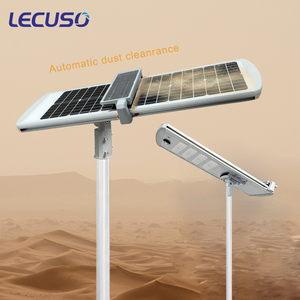
Patented dual-brush motorized auto-clean mechanism operates daily to sweep away dust, particulate matter, and bird droppings, preventing solar output degradation by up to 35% in desert or dusty industrial environments.
Supported by Zigbee, LoRaWAN, or 4G/5G Cat-M1 wireless control platforms. Integrated 7-pin ANSI C136.41 NEMA / ZHAGA Book 18 sockets enable centralized cloud monitoring, adaptive dimming, and fault alerts.
Batwing Type II, Type III, and Type IV asymmetric optical polycarbonate lenses ensure uniform ground illumination without sky glow, glare, or light trespass—fully compliant with International Dark-Sky (IDA) directives.
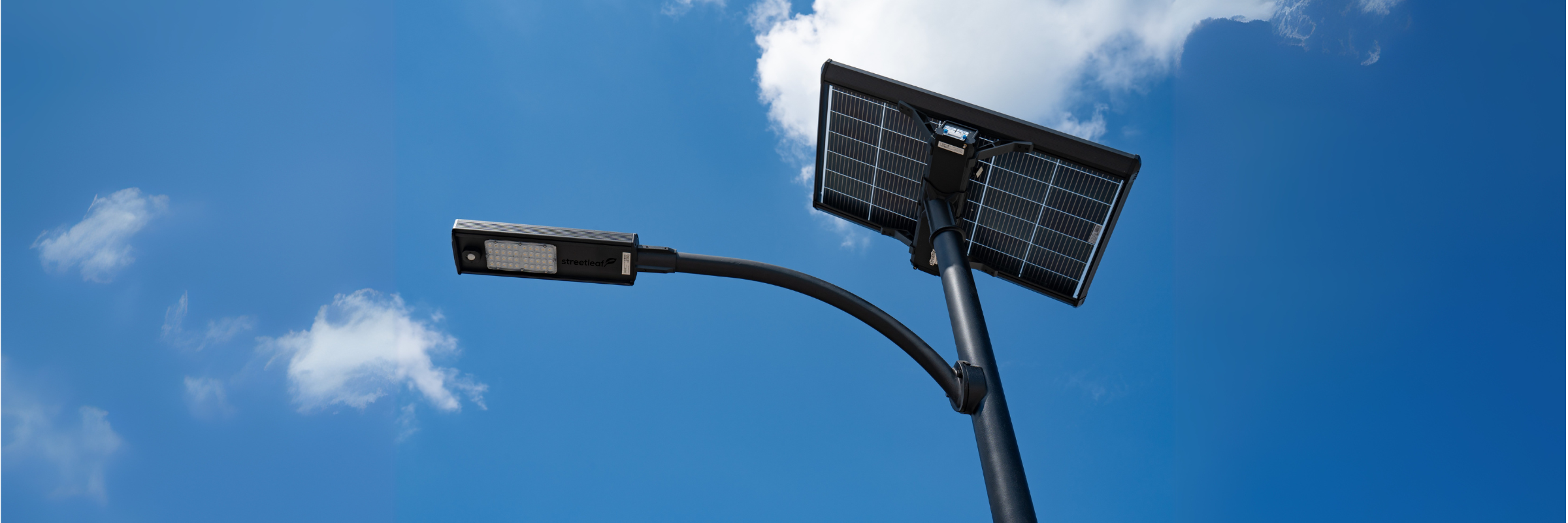
During severe weather events such as typhoons, winter blizzards, or centralized grid blackouts, conventional grid-powered lighting infrastructure routinely fails due to downed power lines and damaged transformers. High-output solar streetlights operate as decentralized, autonomous lighting nodes.
Our industrial-grade units undergo rigorous environmental testing including salt-spray corrosion (ASTM B117 1,500 hours), IK10 mechanical impact resistance, and IP66/IP67 ingress protection validation. By utilizing high-density aluminum heatsinking with passive airflow channels, operational junction temperatures of LED chips (Bridgelux/Philips Lumileds 5050) are kept below 65°C, extending LED operational lifespan to >100,000 hours (L70 standard).
Send an InquiryAs international EPC contractors, municipal procurement officers, and private engineering firms draft tenders for infrastructure projects, technical specifications are rapidly evolving beyond simple wattage ratings. Industry buyers must align their procurement strategies with four key macro-trends driving solar streetlighting innovation:
Historically, buyers ordered luminaires based on wattage (e.g., 100W solar light). Modern technical standards evaluate Total Delivered Lumens and System Efficacy (lm/W). By adopting ultra-high-efficiency LED chips delivering 210+ lm/W optical efficacy, a 40W high-output solar fixture now produces 8,400 lumens—outperforming legacy 100W fixtures while requiring 60% less battery capacity and panel surface area.
In hyper-arid, coastal, and high-soiling regions across the Middle East, North Africa, and Australia, dust accumulation on solar panels causes up to 5% power degradation per week. Modern export contracts increasingly mandate automated self-cleaning wipers powered by internal brushless motors to ensure continuous peak power generation without costly manual maintenance crews.
Municipal tenders now frequently require dynamic light profiling. Solar streetlights equipped with microwave Doppler sensors automatically adjust lumen output from 30% background ambient light to 100% full illumination upon detecting pedestrian or vehicular motion, extending battery autonomy during prolonged periods of overcast winter weather.
Global buyers are seeking flexible procurement frameworks, including factory-direct OEM/ODM customization and zero-upfront service agreements (Lighting-as-a-Service). Manufacturers in China offering modular designs, universal mounting hardware, and direct factory technical warranties provide distinct procurement advantages.
Urban expansion along coastal corridors often impacts nocturnal wildlife, particularly sea turtle hatchlings and migratory bird populations affected by high-kelvin white light spill. High-output solar streetlights exported for coastal highway and residential project deployment offer specialized wildlife-friendly Amber LED options (wavelengths between 590nm and 610nm).
In addition, full-cutoff optical configurations shield light above the horizontal plane (0% Uplight Rating / U0), preserving dark skies while directing 100% of usable light flux onto target roadways, walkways, and parking perimeters. This ecological compliance is vital for meeting international LEED green building standards and municipal environmental directives.

Below are technical solutions to common procurement, engineering, and logistics questions faced by global importers, wholesalers, and EPC contractors sourcing solar streetlights from China.

From rural electrification initiatives in Southeast Asia and South America to heavy-industrial access roads in West Africa and hurricane-prone coastal communities across the Americas, our high-output solar streetlights deliver uncompromised illumination performance.
By standardizing on industrial components, direct factory manufacturing quality controls, and comprehensive pre-shipment aging testing (including 100% 48-hour photoelectric burn-in tests), we ensure zero-defect delivery for large-scale international tenders.
Send an InquiryDirect Factory Pricing | Custom OEM/ODM Engineering | Rapid Sample Prototyping | Comprehensive Tender Specification Support
Send an Inquiry