
Engineered for extreme reliability, integrated with smart IoT control modules, Zhaga/NEMA sockets, and ultra-durable LiFePO4 energy storage arrays.
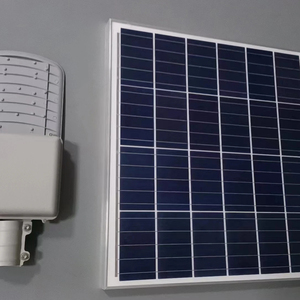
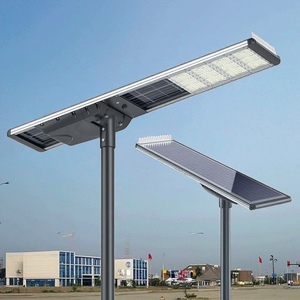
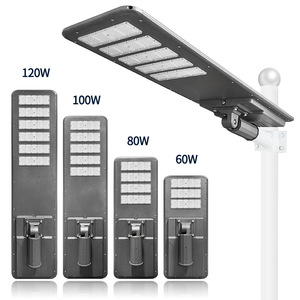
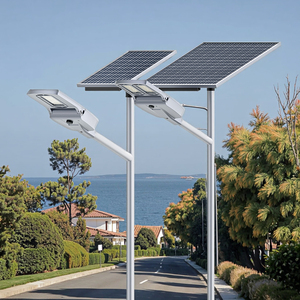
The global transition toward decentralized, resilient smart municipal infrastructure has transformed solar streetlighting from standalone off-grid fixtures into fully networked, cloud-managed IoT micro-grids. As the world's primary manufacturing hub for solid-state lighting and photovoltaics, China hosts over 70% of the world's solar streetlight production capacity.
However, selecting top-tier original equipment manufacturers (OEM) and suppliers requires deep evaluation of engineering standards. Modern commercial projects no longer settle for basic LED fixtures attached to solar panels. Project buyers, utility managers, and civil developers now mandate integrated Internet of Things (IoT) wireless management platforms, Bifacial N-Type TOPCon photovoltaic modules, and LiFePO4 (Lithium Iron Phosphate) battery chemistry capable of surviving 4,000+ charge cycles.
"Smart IoT integration converts static streetlight poles into multi-functional smart city nodes—enabling remote energy harvesting optimization, automated failure telemetry, dynamic scheduled dimming, and zero-carbon grid independence."
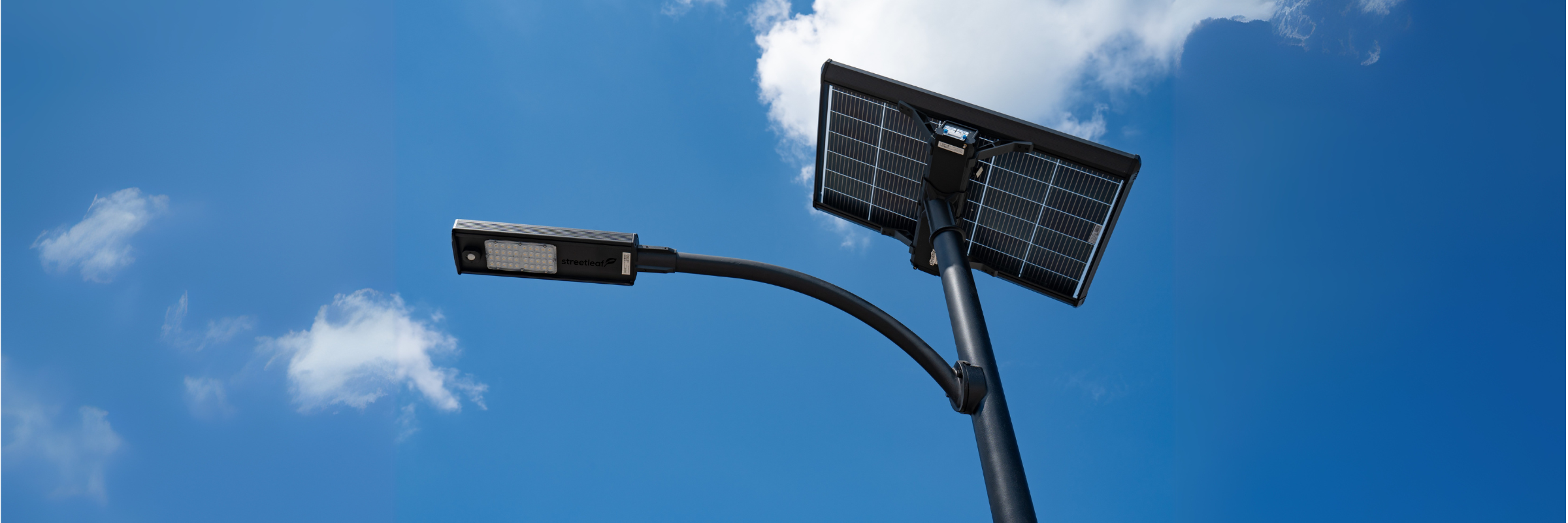
Why leading global engineering, procurement, and construction (EPC) contractors source high-specification solar lighting systems from vetted Chinese manufacturing leaders.
Standardized plug-and-play smart sockets enable seamless integration of IoT controllers (LoRaWAN, NB-IoT, Cellular CAT-M1, or Zigbee Mesh). Controllers can be installed or upgraded field-side without opening the IP66 sealed optical chamber, preserving long-term waterproof integrity.
Maximum Power Point Tracking (MPPT) charge controllers engineered in top Chinese facilities deliver >98.5% charging efficiency. Featuring adaptive IoT firmware, these controllers dynamically adjust LED power output based on real-time battery state of charge (SoC) and ambient weather forecasts.
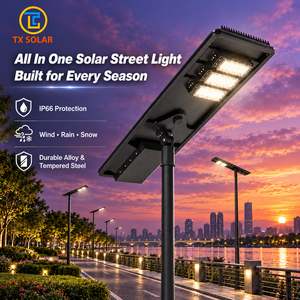
Built with die-cast ADC12 aluminum alloys and hot-dip galvanized internal structural frames. Designed and wind-tunnel tested to withstand severe extreme weather events, including gust forces exceeding 160 mph (Category 5 hurricane compliance).
| Performance Parameter | Conventional Solar Streetlights | Tier-1 China IoT Solar Streetlights (Smart-Grade) |
|---|---|---|
| Luminous Efficacy | 120 - 150 lm/W | 190 - 220 lm/W (Lumileds/Bridgelux 5050 Chips) |
| Battery Technology | Ternary Lithium / Lead-Acid (1,000 cycles) | Grade-A EV-Class LiFePO4 (4,000+ cycles @ 80% DoD) |
| Solar Panel Type | Standard Monocrystalline (18-20% efficiency) | Bifacial Glass-Glass N-Type TOPCon (22.5%+ rear side gain) |
| Control Network | Standalone PIR / Standalone Timer | Centralized Cloud IoT (NB-IoT / LoRaWAN / Zhaga Smart) |
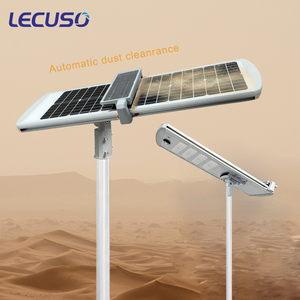
| Self-Cleaning System | Manual Maintenance Required | Automated Dual-Brush Robotic Cleaning (Configurable cycles) |
| Ingress & Impact Rating | IP65 / IK08 | IP66 Double-Sealed / IK10 Vandal-Proof |
| System Autonomy | 2 - 3 Days Reserve | 5 - 10 Days Continuous Operation (Smart Battery Reserve) |
Key technical shifts driving global B2B purchasing decisions over the next decade.

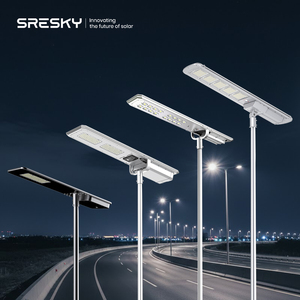
Historically, commercial projects utilized cumbersome split-type solar streetlights with external battery boxes buried underground or mounted high on poles. Modern procurement trends show an overwhelming shift toward Integrated All-in-One and All-in-Two architectures featuring vertical pole-mounted bifacial PV modules or ultra-sleek luminaire headers.
Municipalities and private developers are increasingly bypassing initial capital expenditure constraints by adopting Light-as-a-Service (LaaS) and monthly service agreement financing. Chinese factories that offer modular component designs, remote maintenance diagnostics, and predictable 10-year component lifespans make low-risk ESCO models feasible worldwide.
Strict environmental regulations now require zero-uplight optical shields and narrow-band amber CCT (2200K) to protect nocturnal wildlife, migratory birds, and coastal sea turtle nesting grounds while minimizing urban light pollution.
Next-generation cloud dashboards leverage artificial intelligence to analyze battery health degradation, predict luminaire failures before total blackouts occur, and dispatch targeted field repair units—slashing O&M costs by up to 60%.
Dust accumulation, sand, bird droppings, and industrial pollution can degrade solar panel yield by 30-50% within months. Built-in brush mechanisms running on automated schedules maintain peak solar conversion in arid climates.
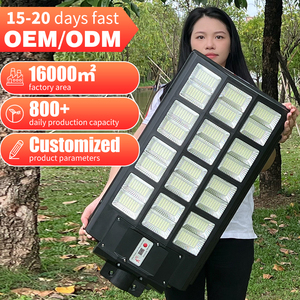
With state-of-the-art manufacturing facilities, automated SMT surface-mount lines, and rigorous optical test labs, our factory stands at the forefront of China's green energy manufacturing revolution. We partner with land developers, HOAs, utility companies, and municipal agencies to deliver turn-key solar lighting networks engineered for 15+ years of operational service.

Technical and logistical insights for buyers, project engineers, and global importers sourcing from Chinese manufacturers.
All-in-One integrated solar streetlights combine the photovoltaic panel, LiFePO4 battery array, MPPT controller, PIR sensor, and LED engine into a single compact housing. They offer fast, low-cost installation and low wind resistance. Split-type solar streetlights separate the solar panel and battery from the LED fixture, allowing for larger PV panels and high-capacity batteries suited for ultra-high wattage municipal highways (150W-300W LED) or extreme low-sunlight latitudes.
Each streetlight is fitted with a Zhaga or NEMA smart node communicating via wireless protocols such as LoRaWAN, NB-IoT, or 4G LTE. The nodes send operational telemetry (battery voltage, charging current, temperature, LED status) to a centralized Web/Mobile cloud platform. Operators can remotely control dimming profiles, schedule lighting operational windows, run automated fault diagnostics, and evaluate energy consumption metrics without sending technician teams into the field.
Tier-1 solar streetlights utilize intelligent energy management software combined with over-sized lithium reserves. During rainy periods, the intelligent controller automatically throttles power consumption by implementing motion-activated adaptive dimming (e.g., maintaining 20% ambient brightness, ramping to 100% upon motion detection). This ensures the luminaire delivers uninterrupted illumination for 5 to 10 consecutive overcast days.
Grade-A LiFePO4 cells feature built-in Smart Battery Management Systems (BMS) with thermal protection cut-offs. Under standard operating conditions, they deliver 4,000+ charge cycles (8-12 years of daily operation). For extreme hot climates (+65°C), specialized phase-change thermal insulation wraps are integrated, while sub-zero environments (-30°C) utilize self-heating thermal jackets powered by early-morning solar generation.
As a direct supplier and factory partner, we provide comprehensive tender support packages. This includes photometric IES files for DIALux calculations, third-party IP66/IK10 test reports, wind load certification calculations, salt spray corrosion test reports, MSDS / UN38.3 battery shipping certifications, and customized OEM architectural drawings.
Partner directly with China's leading smart IoT solar streetlight factory. Rapid sample prototyping, competitive factory-direct pricing, and complete project engineering support.