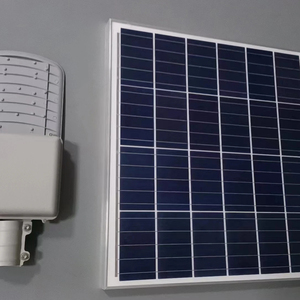

Explore OEM/ODM commercial, municipal, and industrial grade solar lighting fixtures engineered for severe weather resilience and maximum operational efficiency.
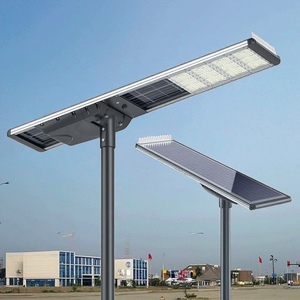
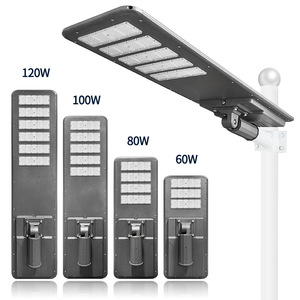
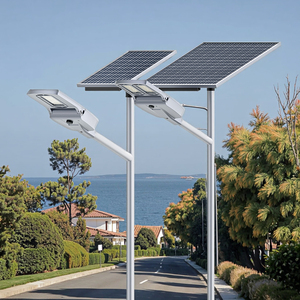
Understanding the engineering mechanics behind dynamic light dimming, MPPT efficiency algorithms, and thermal-managed LiFePO4 energy storage system integration.
Traditional solar streetlights operate on static wattage curves, discharging fixed lumen output regardless of ambient vehicular flux or pedestrian presence. This obsolete design methodology leads to severe energy waste during low-traffic periods (1:00 AM – 5:00 AM), forcing manufacturers to oversize photovoltaic panels and battery packs by up to 300% to survive extended rainy periods.
As premier China wholesale auto dimming solar lighting manufacturers and exporters, our OEM engineering teams integrate real-time adaptive luminaire dimming controlled by high-frequency Microwave radar sensors, micro-controller unit (MCU) state-of-charge tracking, and dynamic Pulse Width Modulation (PWM). This architectural synergy extends autonomy reserves beyond 7–10 days while reducing overall bill-of-materials (BOM) capital expenditure for utility-scale procurement.
Unlike passive infrared (PIR) sensors that fail in ambient temperatures exceeding 35°C, our industrial Doppler microwave radar sensors operate flawlessly from -20°C to +70°C. They detect 360-degree motion up to 15 meters, transitioning luminaire output seamlessly from 30% background ambient to 100% full brightness upon pedestrian or vehicular presence.
Utilizing N-Type TOPCon bifacial solar panels, our luminaires harvest up to 30% additional energy via ground albedo reflection. Combined with Maximum Power Point Tracking (MPPT) charge controllers achieving 98.5% tracking efficiency, battery charging is optimized even under cloud cover or high humidity environments.
Incorporating Grade-A Lithium Iron Phosphate (LiFePO4) battery packs with integrated Battery Management Systems (BMS), our luminaires provide over 6,000 deep discharge cycles at 80% DOD. Thermal equilibrium design prevents thermal runaway, granting a functional lifespan exceeding 12 years in tropical and desert climates.
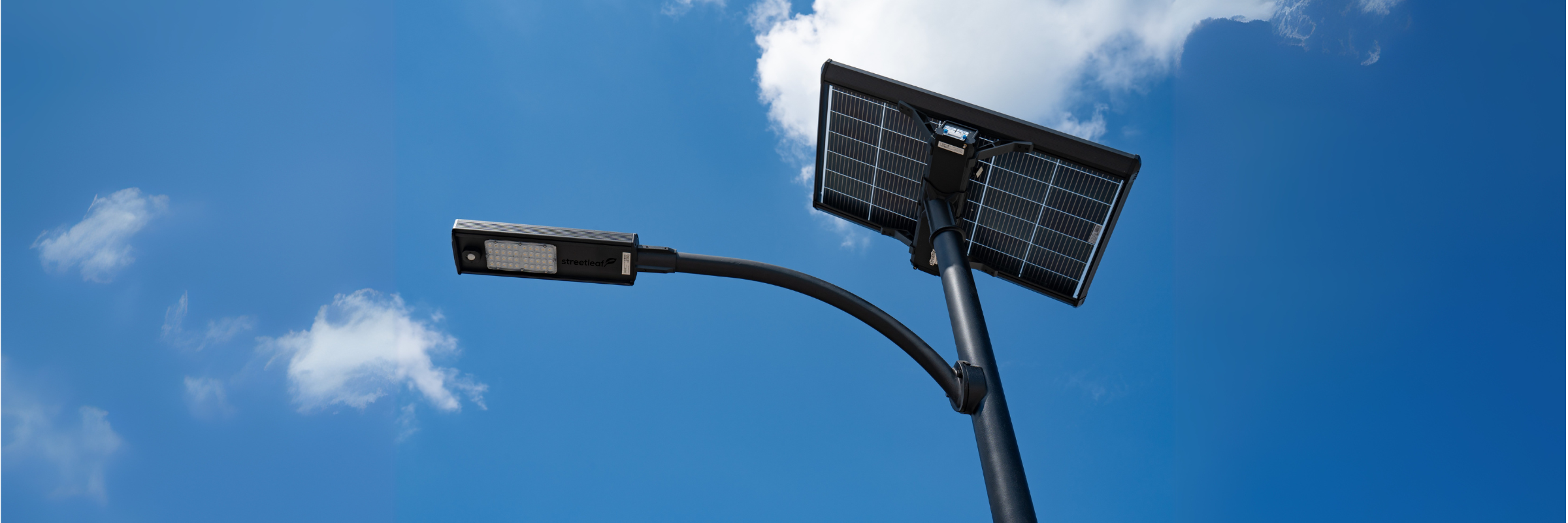
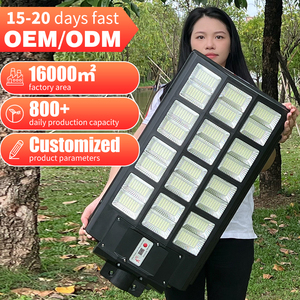
As an industry-leading OEM/ODM manufacturer in China, our production methodology integrates rigorous structural testing, optical simulation, and automated assembly line precision. We empower municipal contractors, private land developers, utilities, and regional distributors with zero-defect solar lighting systems.
Evaluate the 10-year Total Cost of Ownership (TCO), maintenance overhead, dynamic reliability, and environmental impact across baseline public lighting technologies.
| Technical Metric / Evaluation Criteria | Auto Dimming Solar Streetlight | Standard Static Solar Light | Traditional AC Grid Streetlight |
|---|---|---|---|
| Dimming Control Technology | Adaptive Microwave / Time-Profile PWM | Static fixed output or basic timer | None (Manual / Centralized Relays) |
| Battery Storage Lifespan | 10–12 Years (LiFePO4 + Smart BMS) | 3–5 Years (Lead-Acid / Low-Grade Li-ion) | N/A (Grid Dependent) |
| Rainy Day Autonomy Reserve | 5 to 10 Consecutive Days | 1 to 2 Days Max | 0 Days (Blackout Blackouts) |
| Trenching & Cabling Installation Cost | $0 (100% Off-Grid Wireless) | $0 (100% Off-Grid) | High ($25–$80 per linear meter) |
| Grid Electricity Operating Cost | $0.00 / kWh | $0.00 / kWh | High ($120–$350 / pole / year) |
| Dark-Sky & Wildlife Compliance | Full Compliance (Turtle Amber Ready) | Partial / High Light Pollution | Low (Severe Skyglow & Spill) |
| Wind Storm Survival Rating | Category 5 Hurricane Resistant | Variable (Standard Grade) | Depends on Overhead Wiring |
Strategic market insights for B2B importers, EPC contractors, and municipal planning departments expanding their 2026–2035 renewable infrastructure portfolios.
Future auto-dimming luminaires are rapidly integrating cellular NB-IoT and sub-GHz LoRaWAN transceivers. Municipal operators can remotely monitor individual battery health, adjust brightness curves, track energy generation, and receive automated fault alerts via central management software (CMS).
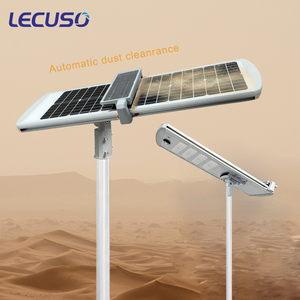
To eliminate snow accumulation and wind loading issues on flat solar panels, export manufacturers are shifting toward vertical pole-wrapped bifacial solar modules. Vertical PV arrays harvest direct sunlight alongside diffuse horizon illumination while remaining virtually maintenance-free.
With global ESG reporting standards tightening, wholesale buyers require verified carbon offset metrics. A deployment of just 50 auto-dimming solar streetlights displaces approximately 12.5 metric tons of CO2 annually compared to coal-powered grid equivalents.
From coastal storm surge zones to remote rural highway networks, explore how our auto-dimming technology delivers uninterrupted safety.
Eliminates nighttime glare and light pollution using warm 3000K auto-dimming optics, enhancing pedestrian security without intrusive light trespass into homeowner windows.
Inquire NowSpecially calibrated amber spectra (590nm) with motion-only full activation preserves nocturnal fauna, sea turtle nesting pathways, and Dark-Sky certification compliance.
Inquire NowHigh-wattage (100W–200W equivalent) split-type solar streetlights providing Type II/III optical distributions engineered for multi-lane roadway clearance.
Inquire NowDirect answers to technical specifications, OEM customization options, minimum order quantities (MOQ), and export compliance standards.
Accelerate your municipal bidding, commercial land development, or wholesale distribution network with factory-direct pricing, certified performance engineering, and full OEM support.