
Explore our customizable OEM solar lighting series engineered specifically for pedestrian pathways, residential greenways, commercial parks, and municipal public spaces.
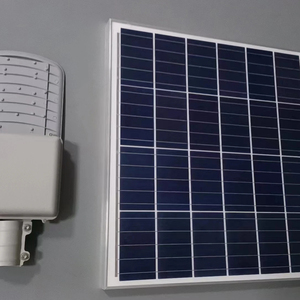
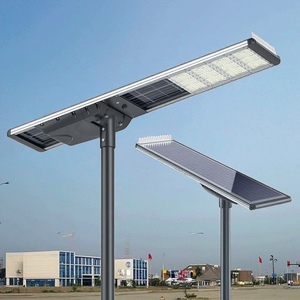
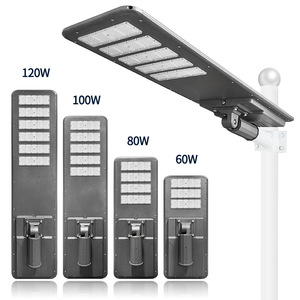
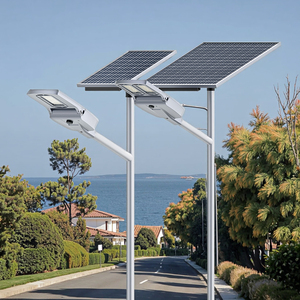
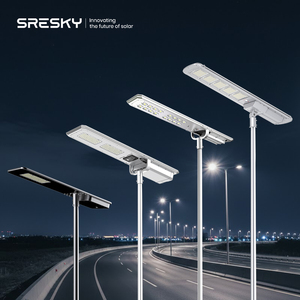
As urban planning moves toward net-zero infrastructure and resilient municipal design, off-grid solar-powered pedestrian pathway lighting has evolved from a simple green initiative to a primary infrastructure requirement. Modern pedestrian walkways, greenbelts, multi-use public trails, and private residential communities demand high-performance photometrics, hurricane-proof structural resilience, and long-term autonomy without grid reliance.
As a leading Custom OEM Pedestrian Pathway Solar Lighting Manufacturer & Exporters, our engineering architecture bridges the gap between high-efficiency photovoltaic energy harvesting, advanced power electronics management, and precision optical engineering. By delivering Information Gain through advanced photometric modeling and structural engineering, we ensure turnkey project success for B2B buyers, civil engineering firms, real estate developers, and municipal utility authorities worldwide.

Pedestrian pathway illumination differs fundamental from highway lighting. Key parameters center on controlling vertical illuminance, eliminating high-angle glare (Uplight B0-U0-G0), and achieving high uniformity ratios ($E_{\text{max}} / E_{\text{min}} \le 3.0$) to prevent hazardous dark spots between poles. Conventional lighting often creates hot spots directly beneath the fixture while leaving intervening walkways in shadow.
Our OEM manufacturing process utilizes custom-designed PMMA multi-lens optical arrays engineered for Type I-S and Type II-M distribution patterns. This stretches the lateral beam spread along narrow pathways, allowing pole spacing to expand up to 25 to 30 meters while maintaining compliance with international standards such as IESNA RP-8 and EN 13201 (Class P1-P6).
| Specification Parameter | Standard Market Solar Lights | Our OEM Industrial Grade Systems | Engineering Benefit |
|---|---|---|---|
| Luminous Efficacy | 120 - 140 lm/W | 180 - 195 lm/W (Philips 5050 LED) | 35% lower battery capacity required for target Lux |
| Solar Harvesting Efficiency | 17-19% Standard Mono | 23.5% N-Type Bifacial PERC | Harvests rear-side ambient ground albedo reflection (+25%) |
| Battery Chemistry & Cycle Life | Standard Li-ion (NMC) ~1,000 cycles | Grade-A LiFePO4 (4,000+ cycles @ 80% DoD) | 10-12 year operational battery lifespan without maintenance |
| Wind Resistance Rating | Up to 110 mph (Cat 1-2) | Cat 5 Hurricane Rated (165+ mph / 74 m/s) | Resilient against severe coastal storms & typhoon events |
| Dark-Sky & Ecological CCT | Static 6000K harsh white | 2700K - 3000K / 590nm Amber (Turtle-Safe) | Protects nocturnal ecosystems and prevents light pollution |
System reliability is defined by continuous battery autonomy during extended adverse weather. Our proprietary Maximum Power Point Tracking (MPPT) charge controllers feature a tracking efficiency of 98.5%, dynamic dual-loop regulation algorithms, and integrated thermal compensation circuits.
Utilizing high-density Lithium Iron Phosphate (LiFePO4) cell matrices integrated with active Battery Management Systems (BMS), our luminaires provide protection against over-voltage, deep discharge, high-temperature thermal runaway, and sub-zero freezing charging conditions (with automatic heating pads optional for cold-climate export markets).
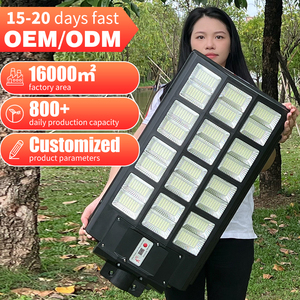
We deliver vertical integration from structural housing manufacturing to circuit engineering, providing turnkey customization for international projects.
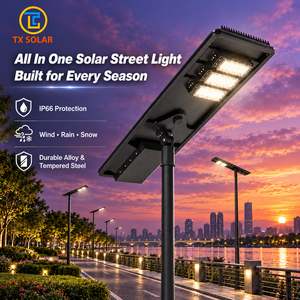
Constructed from high-tensile 6063-T6 extruded aluminum and hot-dip galvanized fasteners, our luminaires are certified to withstand Category 5 wind loads exceeding 165 mph.
Capture direct sunlight from above while harvesting reflected ground albedo radiation from concrete or grass pathways below, boosting daily battery charging yield by up to 25%.
Our OEM products support Lighting-as-a-Service (LaaS) procurement models, enabling distributors and developers to deploy zero-grid public lighting with structured service agreements.
Integrated LoRaWAN, NB-IoT, or Zigbee wireless nodes enable centralized asset management, energy dimming scheduling, and real-time battery diagnostics across entire municipal grids.
Custom optical shields ensure zero skyglow emission, while warm 2700K CCT and 590nm monochromatic amber LED options protect nocturnal fauna and sea turtle nesting zones.
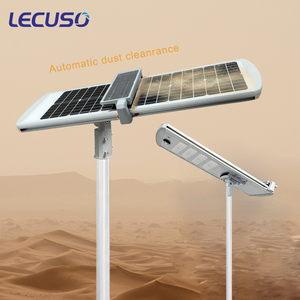
Eliminate maintenance costs in high-dust, arid, or coastal environments with integrated auto-cleaning brushes that clear solar panel surfaces twice daily.
The global solar lighting manufacturing landscape is undergoing a technological revolution driven by decarbonization mandates, smart city integration, and material science advancements. B2B buyers and municipal procurement directors must evaluate key trends shaping the future of off-grid infrastructure:

Traditional P-type solar cells are rapidly giving way to N-Type TOPCon (Tunnel Oxide Passivated Contact) and HJT (Heterojunction) bifacial solar modules. These panels offer lower degradation rates (<0.4% per year) and superior temperature coefficients, maintaining high voltage output even in harsh desert climates above 45°C.
First-generation PIR (Passive Infrared) motion sensors are being replaced by 24GHz Microwave Doppler Radar modules capable of detecting subtle pedestrian movements through dense foliage. Advanced AI firmware dynamically modulates lumen output based on foot traffic density, extending battery autonomy beyond 7 consecutive rainy days.
While LiFePO4 remains the benchmark for commercial solar lighting, next-generation Sodium-ion (Na-Ion) batteries are entering commercial trial phases. Sodium-ion cells offer exceptional cold-weather operation (retaining >85% capacity at -30°C) and eliminate reliance on critical raw materials such as lithium and cobalt, reducing global supply chain volatility.
Procurement practices among global importers, EPC contractors, and municipal authorities have shifted from focusing solely on initial unit costs to analyzing Total Cost of Ownership (TCO) and ESG Compliance Metrics.

Technical and commercial clarity for civil engineers, OEM importers, and project managers.
Our engineering team designs custom PMMA optical lenses tailored to your project layout. For narrow 2-to-3 meter pedestrian paths, we utilize asymmetrical Type I-S long-throw optics that cast light parallel to the walkway, minimizing wasteful light trespass into neighboring properties. For wide plazas, we supply symmetrical Type V wide-area flood optics that provide uniform omnidirectional coverage.
Autonomy calculations are based on local solar radiation data (Peak Sun Hours / kWh/m²/day) for the target installation site during the winter solstice. We size the LiFePO4 battery capacity ($Wh$) to satisfy the nighttime watt-hour consumption budget at a maximum Depth of Discharge (DoD) of 80%, supplemented by dynamic adaptive dimming profiles that conserve energy when motion is absent.
Lithium Iron Phosphate (LiFePO4) offers unparalleled thermal stability (preventing thermal runaway up to 60°C), an exceptional cycle life of 4,000+ charge/discharge cycles (compared to 800-1,000 cycles for NMC and 300-500 cycles for AGM Lead-Acid), and high energy density. This translates to an operational lifespan exceeding 10 years without requiring battery replacements.
Yes. We manufacture certified Dark-Sky compliant luminaires featuring full-cutoff optical housings that produce 0% total upward lumen output (U0 rating). For coastal environmental applications, we integrate monochromatic 590nm amber LED arrays or warm 2700K CCT engines to protect sea turtle hatchlings and nocturnal wildlife ecosystems.
Standard OEM customization (including custom brand silk-screening, custom CCT selection, and housing color matching) requires a low MOQ of 20 to 50 units depending on the model. Fully customized ODM structural tooling or bespoke controller firmware development has an MOQ of 100 units. Typical production lead times range from 15 to 25 business days from design sign-off.
Dust, bird droppings, and industrial particulate accumulation can degrade photovoltaic energy generation by 15% to 40% annually. Our auto-clean series features built-in micro-robotic brushes that automatically sweep the glass surface twice daily. This eliminates expensive manual bucket-truck maintenance schedules in dusty or coastal regional deployments.
All our export products are fully certified under international standards including CE, RoHS, ISO9001, ISO14001, CB, IEC 60598 (Luminaire Safety), IEC 62133 (Battery Safety), IP66 ingress protection, IK10 mechanical impact, and UN38.3 transport certification for lithium batteries.
Our housings undergo a multi-stage chemical pretreatment followed by architectural-grade polyester powder coating compliant with C5-M marine corrosion protection standards. All external fasteners are marine-grade 316 stainless steel, and electronic driver chambers are fully potted with thermal conductive silicone gel to guarantee IP67 sealing.
Explore our latest engineering publications regarding off-grid infrastructure, optics, and municipal lighting economics.
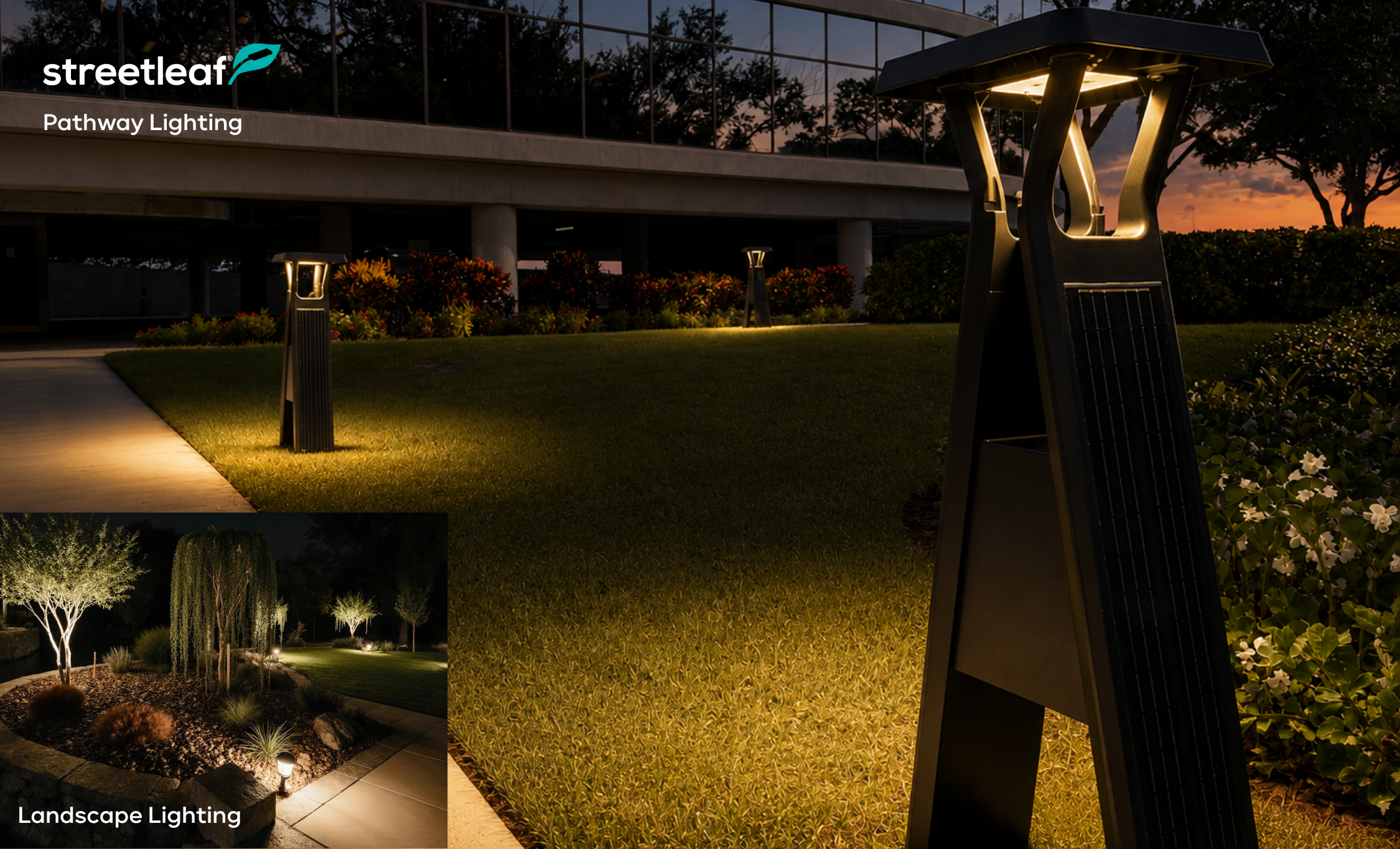
A deep dive into beam spread, Lux requirements, glare control, and pole placement guidelines for landscape architects.
Read Engineering Guide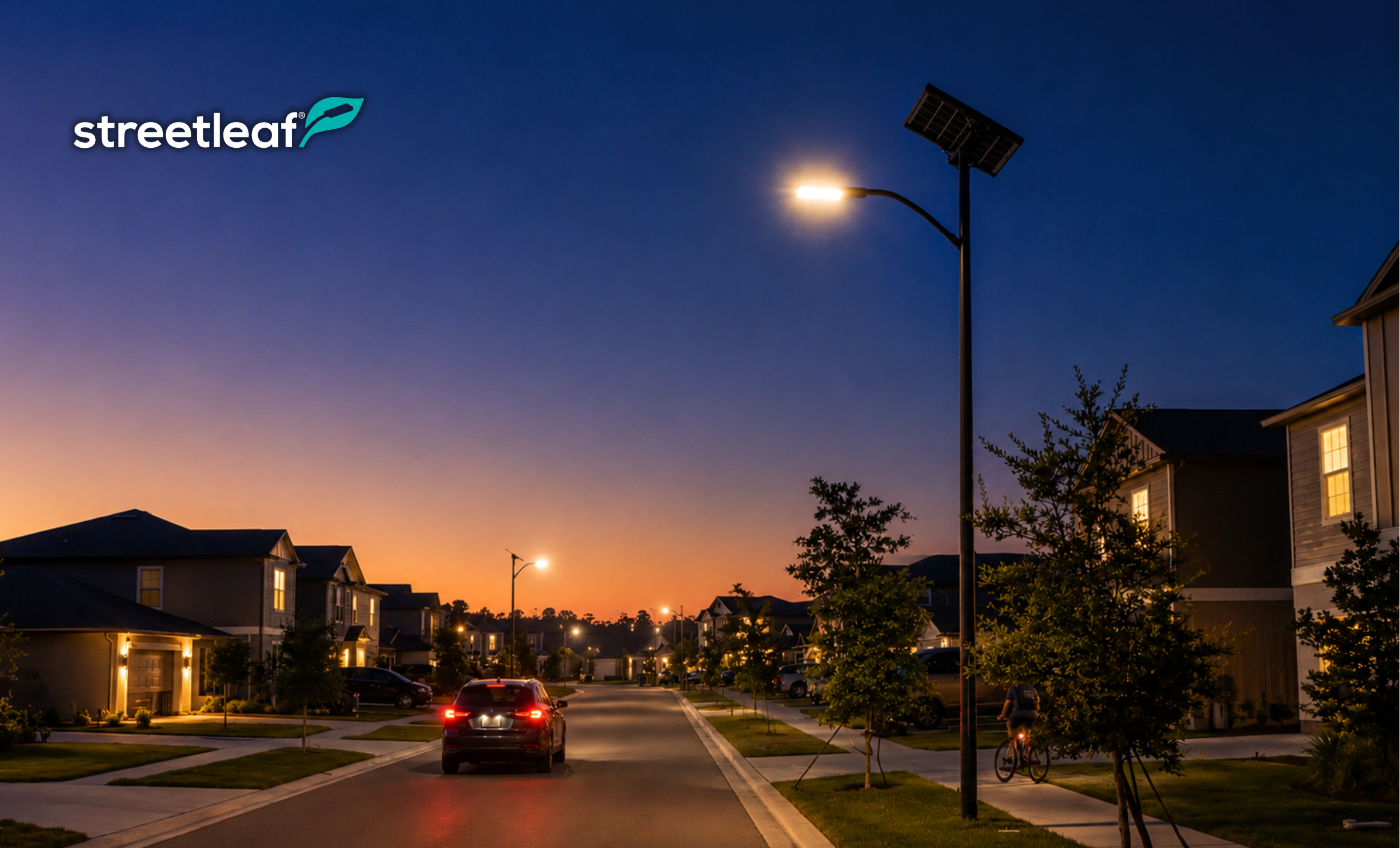
Evaluating ROI, zero-trenching financial savings, and reduced grid load when replacing legacy AC streetlights with solar nodes.
Read Whitepaper
How municipal smart cities leverage IoT-enabled solar lighting for public safety during grid blackouts and severe weather events.
Read Municipal ReportPartner directly with an industry-leading OEM/ODM manufacturer. We provide complimentary photometric Dialux simulation, customized structural engineering, and fast sample turnarounds for global tender applications.