
Custom OEM Wireless Controlled Solar Lighting Suppliers & Exporters

Next-Generation Off-Grid Infrastructure | Smart IoT Control | Municipal & Industrial Grade Architecture

Featured OEM Wireless Solar Lighting Systems

Explore our engineering-certified, factory-direct OEM solar streetlights engineered for severe weather resilience, intelligent wireless telemetry, and long-cycle off-grid autonomy.
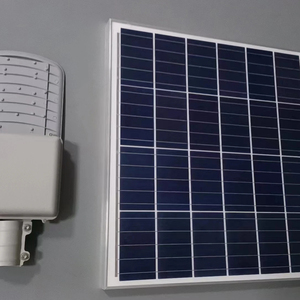
All in Two Outdoor Solar Street Light Two in One
All-In-Two / Dual-Modular

All in Two Outdoor Solar Street Light Two in One

Engineered with detachable high-efficiency monocrystalline PV panels and high-density LiFePO4 battery pack for flexible angle adjustment.

Inquire Now
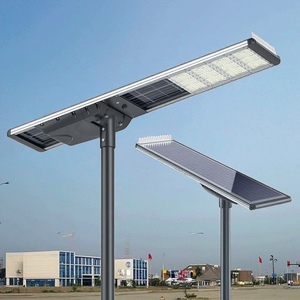
Industrial Solar Street Light 30W-200W Outdoor Solar Lighting
Industrial High-Output

Industrial Solar Street Light 30W 60W 80W 100W 200W Outdoor Solar Lighting

Heavy-duty die-cast aluminum luminaire with custom pole integration, providing high-lumen optical distribution for highways and industrial zones.

Inquire Now
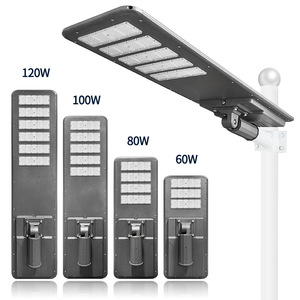
High Power Integrated Solar Street Light for Municipal Engineering
Municipal Project Grade

High Power Integrated Solar Street Light Super Bright Outdoor LED Lamp

Ultra-bright multi-chip LED engine paired with intelligent MPPT charge controller designed for municipal arterial roads and public infrastructure.

Inquire Now
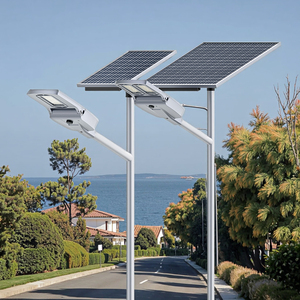
IP66 Waterproof Smart Control Split Type Solar Street Light
Smart Wireless / IP66

Ip66 Waterproof Smart Control Solar Street Lights Split Type 30W-200W

Equipped with Zigbee/LoRaWAN remote telemetry modules for cloud-based dimming schedules, fault detection, and energy management.

Inquire Now
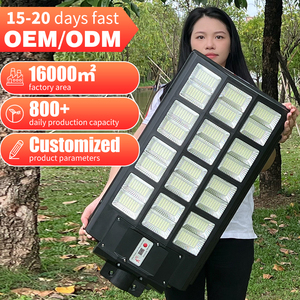
Integrated Solar Outdoor Courtyard High-Power Lighting
Compact All-In-One

Integrated Solar Street Light Outdoor Courtyard High-power Lighting

Sleek architectural form factor integrating solar panel, lithium battery, and microwave motion sensor for modern commercial estates.

Inquire Now
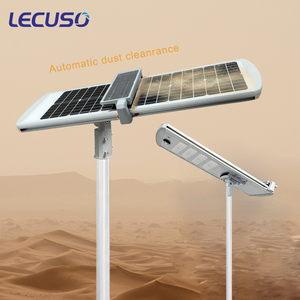
Automatic Self Cleaning Solar Street Light
Auto-Self Cleaning

Automatic Auto Clean Self Cleaning Solar Street Light 30W-150W

Patented robotic wiper mechanism removes dust, sand, and debris automatically, maintaining maximum PV conversion in desert environments.

Inquire Now
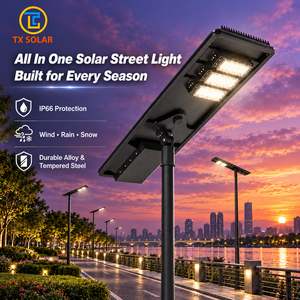
Custom OEM Solar Powered Street Lamp for Rural & Parking Lot
Custom OEM Configuration

Waterproof All-in-One Custom OEM Solar Powered Street Lamp

Fully customizable optics, housing colors, and power ratings tailored specifically for municipal engineering tenders and parking lots.

Inquire Now
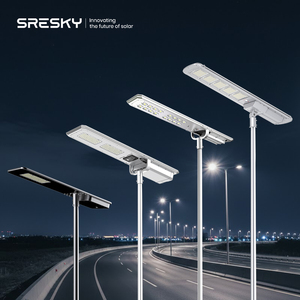
SRESKY Integrated Solar Led Street Light Outdoor Waterproof
Heavy-Duty Exterior

SRESKY Commercial Integrated Solar LED Street Light 80W-150W

Military-grade aluminum housing with multi-core LED array and adaptive light control technology for extreme environmental conditions.

Inquire Now
1,269+
Global Projects Deployed
Cat 5
Hurricane Rating Certified
100%
Off-Grid Energy Autonomy
5+ Days
Rainy Day Reserve Capacity
$0
Upfront Capex Options

1. Technical Whitepaper: The Evolution of OEM Wireless Controlled Solar Street Lighting

As municipal infrastructure projects, commercial land developments, and utility networks globally shift toward decarbonization and resilience, legacy grid-connected streetlights are rapidly becoming obsolete. High civil engineering costs—specifically trenching, cabling, transformer installations, and grid connectivity permits—frequently account for over 60% of traditional outdoor lighting budgets. Custom OEM wireless controlled solar lighting systems eliminate grid dependencies entirely while integrating smart city IoT nodes into every luminaire pole.

In modern industrial and municipal procurement, off-grid solar streetlights must deliver performance equivalent to or exceeding AC-powered grid fixtures. Achieving this level of reliability requires moving beyond generic standalone solar lights toward highly engineered, wirelessly managed micro-solar systems. Wireless telemetry (utilizing LoRaWAN, Zigbee, NB-IoT, or Cellular Mesh) allows civil engineers and facility managers to remotely monitor battery health, adjust lumen output dynamically, execute Over-The-Air (OTA) firmware updates, and automatically receive real-time failure alerts without dispatching maintenance crews.

Information Gain Insight: Standard off-grid solar streetlights rely on fixed factory dimming profiles, leading to premature battery depletion during consecutive overcast days. Advanced OEM wireless controlled luminaires utilize real-time algorithmic MPPT tracking combined with adaptive dynamic dimming. By harvesting local weather forecasts via cloud APIs, smart solar streetlights automatically adjust their power consumption to guarantee uninterrupted illumination through extended storm events.
Streetleaf AVE Commercial Solar Streetlight against clear blue sky

System Architecture Comparison Matrix

To assist procurement managers, municipal engineers, and OEM buyers in evaluating system infrastructure, the matrix below details the structural and operational differences across lighting architectures:

Performance Metric Legacy AC Grid Lighting Basic Off-Grid Solar Lights Advanced OEM Wireless Controlled Solar
Trenching & Cabling Cost Extreme ($40 - $120 / meter) Zero ($0) Zero ($0)
Grid Interruption Risk High (Power outages disable lights) Zero (100% Off-Grid) Zero (100% Off-Grid with 5-7 Day Reserve)
Central Management System (CMS) Requires costly external PLC modules None (Fixed internal timer) Integrated Wireless Telemetry (LoRa/Zigbee/NB-IoT)
Battery Chemistry & BMS N/A Standard SLA / Lead-Acid or Basic Li-ion Grade-A LiFePO4 with Smart Thermal BMS Protection
Photovoltaic Technology N/A Monofacial Polysilicon / Standard Mono N-Type TOPCon / Bifacial Double-Glass Photovoltaics
Extreme Weather Resistance Vulnerable to ground water damage Standard IP65 rating Cat 5 Hurricane Rated (180+ mph) / IP66 & IP67
Predictive Maintenance Manual physical inspection required Manual physical inspection required Automated telemetry alerts & automated self-cleaning

2. Core Engineering Architecture & Custom OEM/ODM Capabilities

As a leading supplier and exporter of custom wireless solar lighting, our manufacturing infrastructure is built upon modular, high-reliability component engineering. We partner directly with municipal authorities, land developers, HOAs, and EPC contractors to supply white-label, fully customized lighting hardware tailored to exact photometric and environmental specifications.

Bifacial Photovoltaic Modules

Our custom luminaires integrate N-Type TOPCon bifacial solar panels that absorb direct sunlight on the front side and reflected albedo light on the rear side, boosting overall energy harvest by up to 25% compared to conventional monofacial panels.

Automated Self-Cleaning Mechanics

Sand, dust, and avian droppings can reduce PV output by up to 40%. Our patented auto-cleaning mechanisms execute programmable daily brushing cycles, ensuring maximum energy conversion without requiring physical maintenance access.

Cat 5 Wind & Storm Engineering

Constructed with die-cast ADC12 aluminum housing, stainless steel hardware, and aerodynamic structural profiles certified in wind tunnels to withstand Category 5 hurricane-force winds up to 180 mph (80 m/s).

Custom OEM/ODM Scope of Manufacturing

We provide comprehensive white-label and customized manufacturing options for international distributors, government tenders, and original equipment manufacturers:

  • Custom Optical Lensing (Photometrics): Precision engineered Type I, Type II, Type III, Type IV, and Type V optical distribution lenses designed to achieve IESNA uniformity guidelines for varying pole heights and road widths.
  • Variable CCT & Wildlife-Friendly Lighting: Color temperature options ranging from 2700K warm white to 6500K cool white, as well as zero-UV 590nm amber spectrum fixtures engineered for coastal wildlife and sea turtle nesting zones.
  • Tailored Battery & PV Capacity Ratios: System sizing configured specifically for client geographic coordinates, accounting for historical peak sun hours (PSH), extreme low temperatures (-30°C thermal heating pads), and multi-day autonomy requirements.
  • Custom Hardware Branding & Mechanical Finishes: Anodized powder coating in RAL custom colors, laser-engraved corporate logos, custom packaging, and proprietary pole mounting brackets.
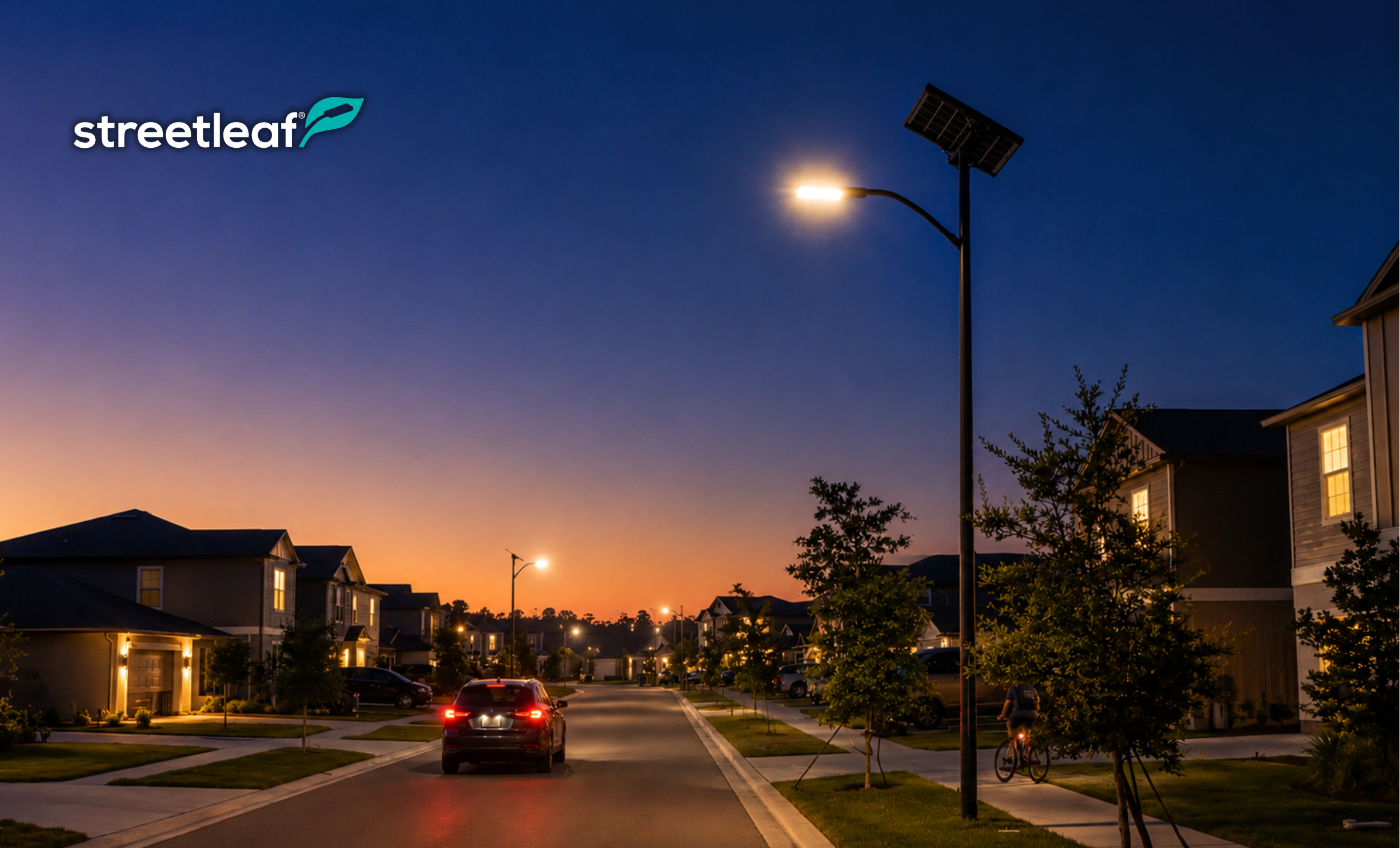
Family walking safely under Streetleaf custom solar streetlights in residential neighborhood

3. Smart Microgrid & IoT Wireless Protocol Telemetry Architecture

Central to modern municipal outdoor lighting strategy is real-time controllability. Our wireless solar streetlights incorporate integrated smart control nodes that communicate via multi-tier wireless topologies, establishing an autonomous local microgrid mesh that interfaces directly with cloud management platforms.

Supported Wireless Communication Protocols

LoRaWAN (Long Range WAN)

Sub-GHz transmission ideal for expansive municipal networks, highways, and rural infrastructure. Offers extreme signal penetration up to 15 kilometers with zero monthly cellular data carrier fees.

Zigbee 3.0 Mesh

Self-healing 2.4GHz mesh network ideal for dense urban residential subdivisions and commercial complexes. Luminaires relay telemetry node-to-node back to a central cellular gateway hub.

NB-IoT & LTE-M (Cellular)

Direct-to-cloud cellular integration for critical arterial lighting projects where gateway placement is impractical. Connects individual poles directly to cellular networks with cryptographically secure TLS encryption.

Central Management System (CMS) Features

Through our cloud-based Central Management System, system administrators gain total control over geographically dispersed solar lighting assets:

  • Real-Time Performance Diagnostics: Monitor battery state-of-charge (SoC), photovoltaic charging current, LED operating temperature, and load power consumption per pole.
  • Dynamic Adaptive Dimming Profiles: Program automated multi-stage dimming schedules (e.g., 100% output during peak evening hours, dimming to 30% after midnight, ramping to 100% upon microwave radar motion trigger).
  • Automated Fault Detection & Alarm Dispatch: Immediate automated email/SMS notifications identifying exact pole locations and diagnostic fault codes (e.g., battery degradation, PV shading, LED driver failure).
  • Map-Based Geographical Asset Tracking: Integrated GPS tracking allows municipal operators to visualize asset location, grouping lights into custom control zones for holiday events or emergency road closures.

4. Future Procurement & Technological Trends in Wireless Solar Lighting

As an established global OEM supplier, we continuously monitor and pioneer emerging shifts in green infrastructure engineering. Organizations planning outdoor lighting deployments over the next decade must account for four decisive market and technological trends:

Trend 1: Multi-Sensor Smart City Hub Integration

Solar streetlight poles are evolving beyond illumination to become valuable vertical real estate for smart city infrastructure. Modern OEM procurement specifications increasingly call for modular poles capable of hosting environmental air quality sensors, traffic monitoring cameras, emergency panic buttons, and public Wi-Fi access points powered by the light’s central battery bank.

Trend 2: Solid-State & Sodium-Ion Battery Chemistry Adoption

While Lithium Iron Phosphate (LiFePO4) remains the industry benchmark due to its 4000+ cycle life at 80% DoD, next-generation Sodium-ion and Solid-State batteries are entering industrial trials. Sodium-ion chemistries perform exceptionally well in extreme cold environments (-40°C), preventing capacity fade without requiring internal heating elements.

Trend 3: AI-Driven Predictive Maintenance & Dynamic Optimization

Artificial intelligence algorithms integrated into cloud CMS platforms analyze multi-year historical solar harvest and local weather patterns. AI dynamic management predicts cloud cover days in advance, automatically trimming nightly lumen output to preserve battery longevity while guaranteeing lighting continuity.

Trend 4: Stringent Dark-Sky Compliance & Ecological Protection

Global regulatory bodies are introducing mandatory light pollution reduction mandates. Future-proof solar lighting procurement requires zero-uplight (U0 rating), precise cutoff optics, and motion-activated adaptive dimming to preserve night skies and protect nocturnal wildlife ecosystems.

Man running in wildlife friendly neighborhood powered by Streetleaf solar streetlights

5. Technical Case Studies & Procurement Insights

Review our recent technical articles and engineering reports discussing commercial solar deployments, ROI analysis, and municipal infrastructure strategies:
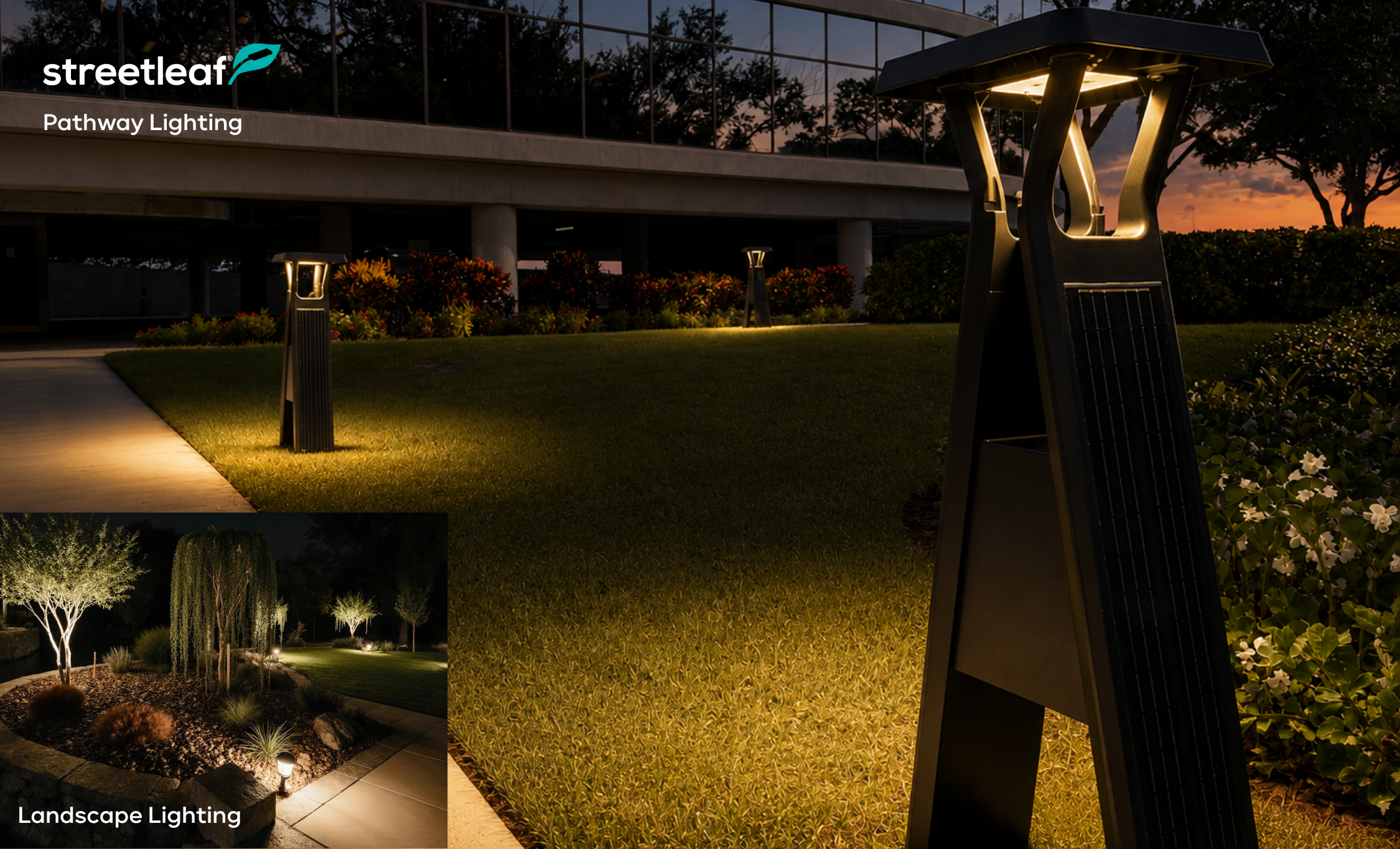
Landscape Lighting vs Pathway Lighting comparison
Engineering Report

Landscape vs. Pathway Lighting: Optical & Technical Breakdown

An analysis of photometric beam spread, lux distribution requirements, and mounting heights for pathway versus architectural landscape fixtures.

Inquire Now
The Economics of Resilience for Utilities blog post
Utility Whitepaper

The Economics of Grid Resilience & Off-Grid Solar Conversion

Evaluating municipal OPEX reduction, copper theft mitigation, and hurricane storm outage recovery through off-grid solar micro-lighting networks.

Inquire Now

Why Cities Are Investing in Municipal Solar Streetlights
Municipal Insights

Why Cities Are Capitalizing on Municipal Solar Infrastructure

How federal clean energy grants, zero-upfront capex models, and smart wireless CMS systems are accelerating municipal solar streetlight adoption.

Inquire Now

6. Frequently Asked Questions (FAQ) for B2B & OEM Procurement

Find authoritative engineering answers to common procurement, manufacturing, and technical implementation queries below:

Q1: How does wireless telemetry improve the operational lifespan of solar streetlights?
Wireless telemetry connects each luminaire to a central cloud server via LoRaWAN, Zigbee, or Cellular networks. This enables proactive monitoring of battery state-of-charge, PV input, and LED thermal conditions. By detecting battery degradation or panel shading early and remotely adjusting dimming profiles, system life is extended by 3 to 5 years, avoiding complete battery discharge cycles.
Q2: What customization options are available under your OEM/ODM manufacturing service?
Our OEM/ODM scope includes custom housing molds, tailored powder-coat finishes (RAL color matching), specified LED chips (Philips Lumileds, Creo, Bridgelux), customized optical lens distribution (Type I-V), proprietary battery capacities (LiFePO4 up to 200Ah), custom solar panel mounting brackets, private-label branding, and pre-configured wireless protocols for your local gateway infrastructure.
Q3: What battery chemistries are utilized, and how are thermal extremes handled?
We utilize Grade-A Lithium Iron Phosphate (LiFePO4) battery cells rated for over 4,000 deep discharge cycles at 80% Depth of Discharge (DoD). For sub-zero ambient operating environments (down to -30°C), our battery enclosures incorporate smart thermal management heating pads activated by internal BMS temperature sensors during charging cycles.
Q4: How do systems ensure uninterrupted light during 5 to 7 days of continuous rain or overcast weather?
System autonomy is guaranteed through intelligent oversizing of the PV module (utilizing bifacial technology for indirect light harvest) and battery reserves. Furthermore, our smart controllers employ adaptive dimming algorithms that reduce lumen output dynamically during periods of low solar input, ensuring illumination is maintained through extended weather events.
Q5: What certifications do your custom OEM wireless solar streetlights hold for international export?
Our manufacturing facilities and products hold full international engineering certifications including ISO9001, ISO14001, CE, RoHS, IP66/IP67 ingress ratings, IK10 impact protection, IESNA LM-79 and LM-80 optical test reports, UN38.3 battery transport safety certification, and Category 5 hurricane wind load validation reports.
Q6: Can your solar streetlights integrate with existing municipal Smart City software platforms?
Yes. Our Central Management System (CMS) features open RESTful APIs and MQTT protocol support, allowing seamless data exchange and control integration into third-party municipal smart city management platforms and utility management software.
Q7: What optical testing data is provided for municipal lighting engineering compliance?
We provide full IES photometry files for every custom luminaire configuration. These files allow civil engineers to model illuminance, lux distribution, uniform ratios, and glare control (BUG ratings) in AGi32 or Dialux software prior to procurement finalized tenders.
Q8: What is the typical production lead time and minimum order quantity (MOQ) for custom OEM orders?
Standard MOQ for custom OEM hardware branding is 50 units. Prototypes and custom optical samples are typically manufactured and dispatched within 7 to 10 working days. Mass production lead time for standard container shipments ranges between 18 to 25 business days from drawing approval.
Q9: How do automatic self-cleaning solar streetlights operate in high-dust regions?
Self-cleaning models incorporate a motorized, anti-static carbon fiber brush assembly driven by an internal brush motor controller. The system executes an automatic forward-and-reverse sweep across the tempered solar glass panel twice daily. Cleaning schedules can also be triggered remotely via the wireless CMS platform.
Q10: What warranty terms and spare parts guarantees are included for export orders?
We back our commercial and municipal OEM luminaires with a comprehensive 5-year to 10-year factory warranty covering the aluminum housing, solar panel, LED engine, MPPT controller, and LiFePO4 battery pack. Spare modular components (quick-connect drivers and control nodes) are supplied with bulk shipments to ensure zero downtime.

Partner with a World-Class OEM Solar Lighting Exporter

Whether you require custom photometric optical modeling, specialized weather-resilient mechanical designs, or a complete wireless IoT telemetry solution for municipal tenders, our engineering team is ready to deliver.

Inquire Now