Top 10 Industrial Solar Streetlights Factories & Supplier
An Engineering Guide to High-Efficacy Photovoltaic Street Lighting, Grid Independence, Bifacial PV Technology, and Heavy-Duty Infrastructure Compliance
220 lm/W
Peak Luminous Efficacy
Cat 5
Hurricane Rated (180mph)
6,000+
LiFePO4 Cycle Life (80% DoD)
100%
Grid-Independent Operations
Selected Commercial & Municipal Grade Models
Top Industrial Solar Streetlight Product Catalog
Explore our engineering-grade industrial solar streetlights engineered for severe ambient temperatures, extreme wind loads, and zero-grid municipal applications. Click below to request factory-direct wholesale pricing, Dialux simulations, and OEM/ODM specifications.
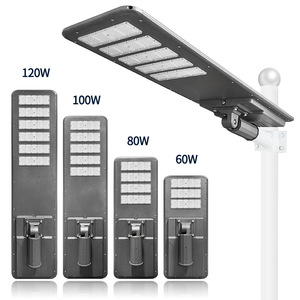
All in Two Outdoor Solar Street Light Two in One System
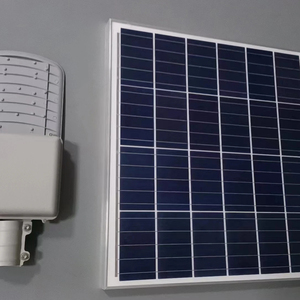
Engineered for high-latitude municipal roads. Features an isolated high-efficiency monocrystalline PV panel and integrated LiFePO4 luminaire head for optimal tilt adjustments.
Designed for heavy industrial zones and highway infrastructure. Separated solar battery box mounted at pole top or subterranean for extreme freeze protection.
B2B Industrial Solar Streetlight Procurement & Vendor Evaluation Landscape
The global transition toward off-grid municipal infrastructure and sustainable commercial lighting has redefined the selection criteria for large-scale solar streetlighting projects. B2B procurement directors, civil engineering contractors, and utility executives are no longer looking for standard consumer-grade LED fixtures; they demand industrial-grade solar streetlights backed by rigorous engineering metrics, certified wind load resilience, and verifiable total cost of ownership (TCO) reductions.
When selecting a supplier from the list of the top 10 industrial solar streetlights factories globally, procurement teams must evaluate manufacturers beyond surface-level wattage metrics. Crucial technical parameters include total luminous efficacy (lm/W), Photovoltaic (PV) conversion efficiency, chemistry-specific battery thermal degradation curves, and Maximum Power Point Tracking (MPPT) controller conversion losses. Modern off-grid street lighting eliminates utility interconnection charges and expensive underground trenching—which typically ranges from $35 to $120 per linear foot in developed urban and commercial zones.
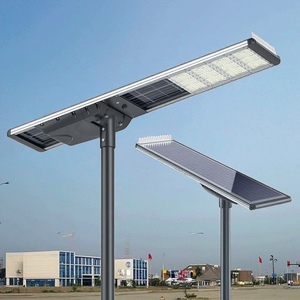
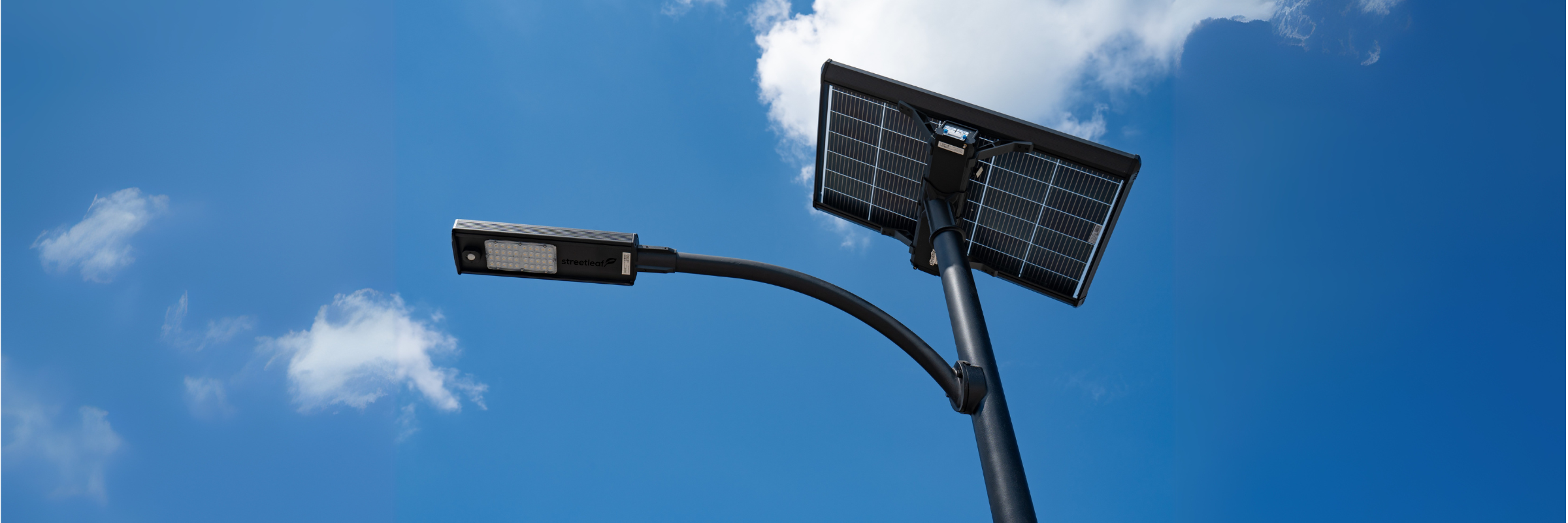
Figure 1: High-efficacy commercial-grade solar streetlight featuring aerodynamic thermal dissipation fins and integrated bifacial PV panels.
Key Vendor Selection Standards for Industrial Solar Lighting Factories
To establish a competitive advantage and avoid structural or operational failures in municipal deployments, enterprise buyers must audit potential OEM/ODM suppliers using the following ten engineering evaluation criteria:
1. Photovoltaic Cell Chemistry
Tier-1 factories utilize N-Type TOPCon or high-efficiency Monocrystalline cells offering conversion rates exceeding 23.5%, backed by glass-glass bifacial architecture for rear-side albedo harvest.
2. LiFePO4 Thermal Stability
Industrial suppliers specify Grade-A Lithium Iron Phosphate (LiFePO4) chemistry with intelligent BMS protection, guaranteeing over 6,000 charge/discharge cycles at 80% Depth of Discharge (DoD).
3. Structural Wind Resistance
AASHTO LTS-6 structural compliance is non-negotiable. Luminaires and poles must undergo Finite Element Analysis (FEA) testing to withstand Category 5 hurricane wind speeds up to 180 mph (290 km/h).
4. Autonomy Margin Calculations
Reliable suppliers design battery capacities based on local solar radiation data (kWh/m²/day), insuring a minimum of 5 to 7 continuous days of operation during extended inclement weather.
Architectural Trade-Off Analysis: All-in-One vs. All-in-Two vs. Split Systems
Selecting the optimal architectural configuration depends heavily on the project location, winter solar zenith angle, and municipal maintenance protocols.
Heavy expressways, extreme freeze climates (-40°C)
Maximum (Large capacity array mounting)
Superior (Underground battery vault option)
Medium (Requires electrician wiring)
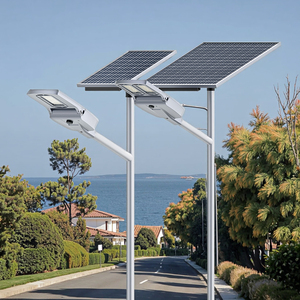
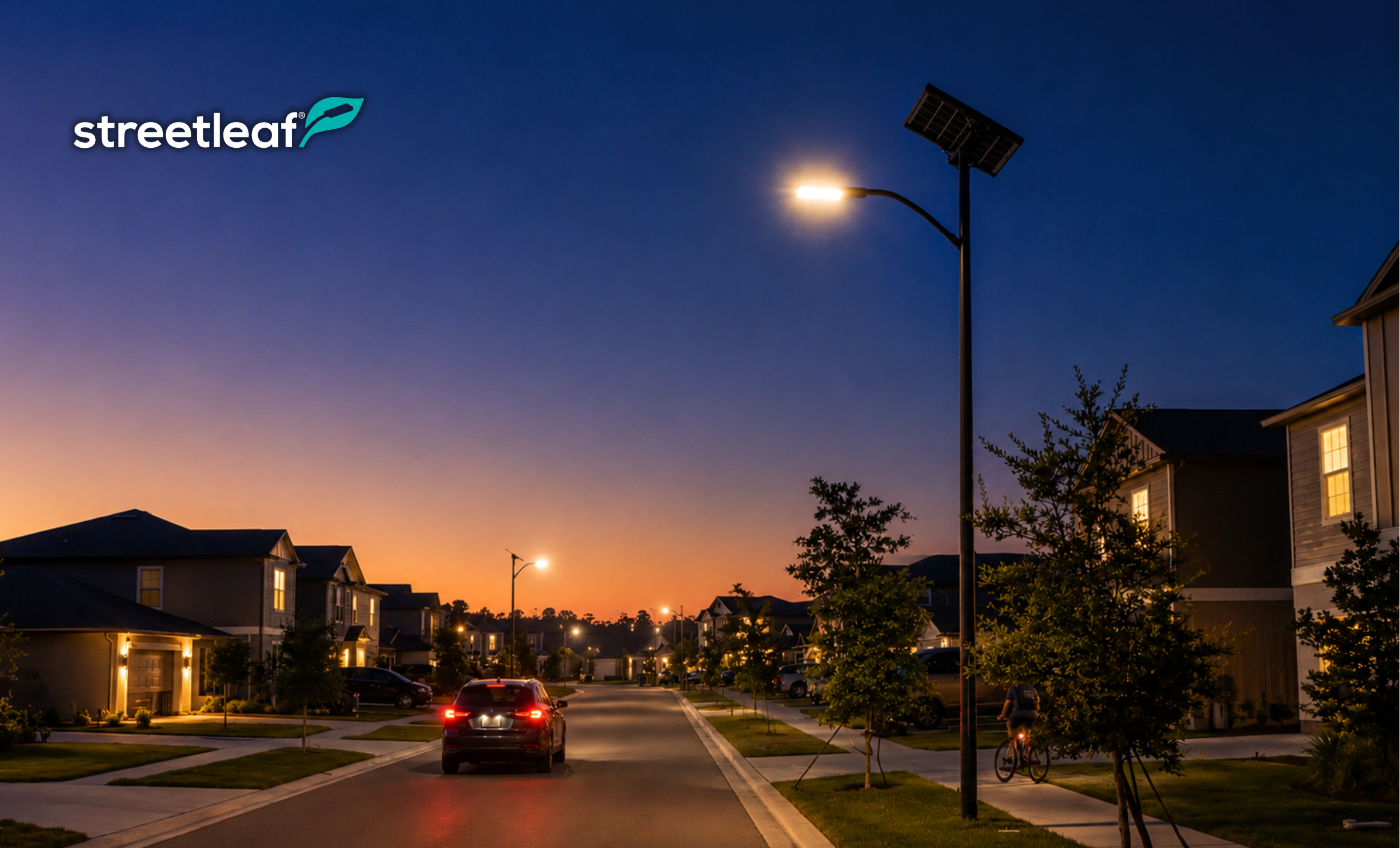
Figure 2: Municipal residential neighborhood illuminated by zero-grid storm-resilient solar streetlights providing 100% night-time uptime.
Future Industry & Sourcing Trends (2025–2030)
The technical evolution of industrial solar streetlights is accelerating rapidly. Enterprise procurement buyers must account for the following technology trends when issuing Requests for Proposals (RFPs):
1. Bifacial PV Modules & Albedo Harvesting
Bifacial solar technology captures direct sunlight on the top face while simultaneously harvesting diffuse ground reflection (albedo) from concrete, asphalt, or snow on the rear side. This increases net energy yield by 15% to 25%, accelerating battery recharge cycles even on overcast winter days.
2. AI-Driven IoT Mesh Telematics
Next-generation streetlights incorporate LoRaWAN, NB-IoT, or Zigbee micro-controllers. Municipal operators can monitor battery state-of-health (SOH), dynamic temperature curves, and photopic flux remotely, dynamically adjusting motion-sensing dimming curves to preserve autonomy during multi-week winter storms.
3. Autonomous Robotic Self-Cleaning
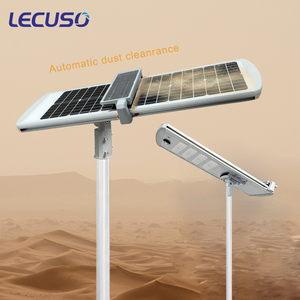
Dust accumulation (soiling) can reduce photovoltaic output by up to 60% in arid desert zones or heavy industrial mining operations. Integrated automated self-cleaning wipers run daily cycles to ensure pristine optical transparency without expensive maintenance fleets.
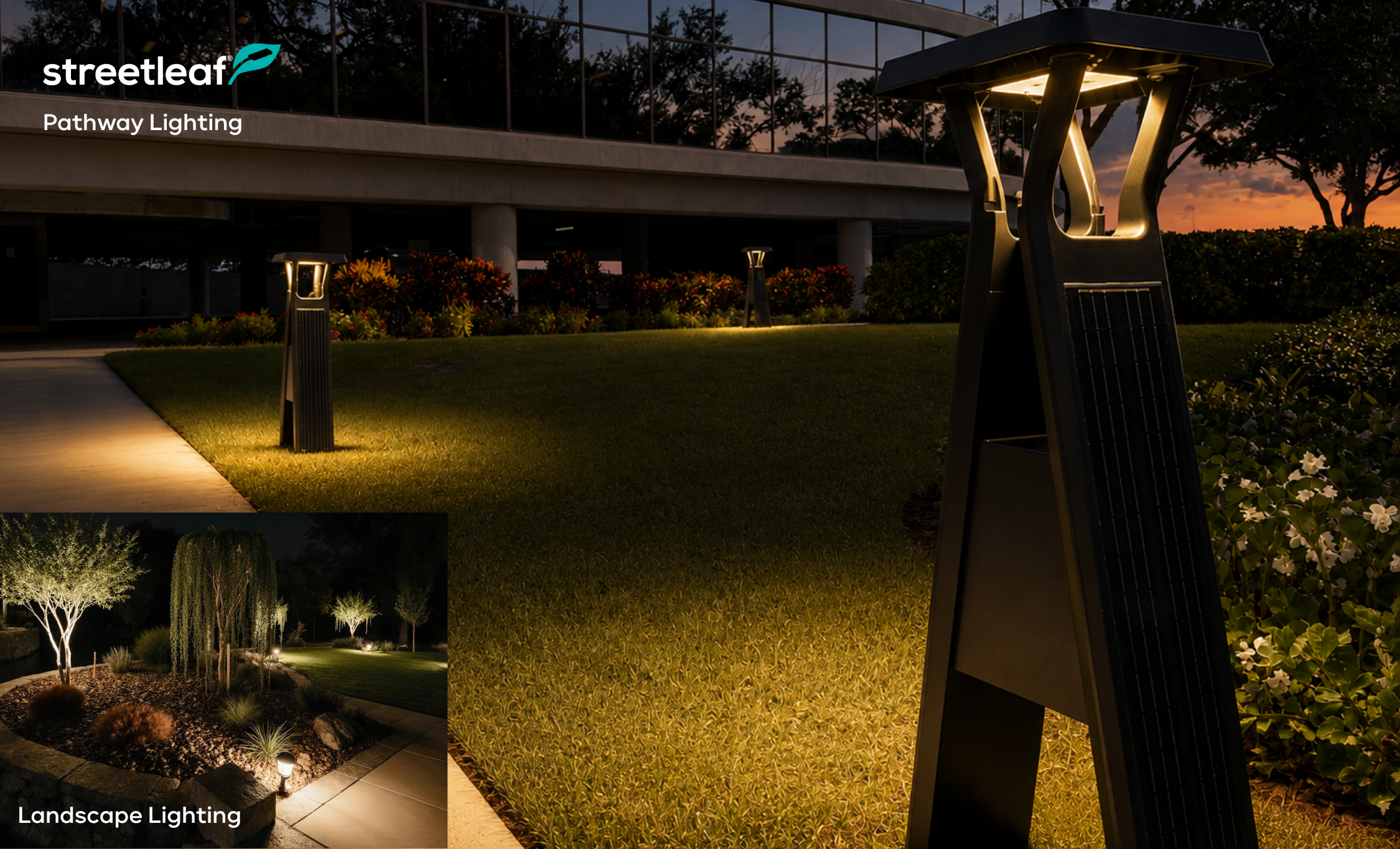
Figure 3: Wildlife-friendly amber (590nm) optical deployment designed to prevent sea turtle disorientation while maintaining municipal safety standards.
Why Top Engineers & Utilities Partner with Streetleaf Technology
Streetleaf delivers professional-grade, storm-resilient solar streetlights for residential, commercial, and municipal applications across North America and international markets. By eliminating grid dependence, civil engineering contractors eliminate massive upfront capital outlay while establishing 100% resilient lighting corridors.
Resilience
Category 5 Storm Resilience
All Streetleaf solar luminaires are structural-rated to endure severe atmospheric conditions, including Cat 5 hurricanes, saltwater spray corrosion (ISO 9227 tested), and temperature swings from -30°C to +65°C.
Through our innovative Energy Service Agreements (ESA), municipalities and HOAs can deploy state-of-the-art solar streetlights with zero upfront capital investment. A predictable monthly service fee covers installation, continuous IoT monitoring, and lifetime maintenance.
Our precision optical lenses deliver full cutoff illumination with zero upward light ratio (U0 BUG rating), satisfying strict International Dark-Sky Association (IDA) guidelines and coastal turtle-friendly amber spectrum regulations.
An optical design analysis comparing photopic beam spreads, glare control ratings, and lux distribution uniformities across municipal infrastructure projects.
Comprehensive technical answers to common questions raised by civil engineers, utility directors, and industrial procurement buyers.
What distinguishes an industrial-grade solar streetlight from commercial or residential models?
Industrial solar streetlights utilize heavy-duty materials such as die-cast ADC12 aluminum housing, Grade-A LiFePO4 battery cells certified to UL 1973, high-efficiency MPPT controllers (>99% efficiency), and AASHTO LTS-6 structural wind ratings up to 180 mph. They offer guaranteed multi-day autonomy (5-7 days) and long operational lifespans (10+ years).
How is solar streetlight autonomy calculated during continuous rainy or overcast days?
Autonomy is calculated by dividing total usable battery energy (Watt-hours x Depth of Discharge) by the nightly energy consumption of the LED engine under its active dimming profile. Industrial systems incorporate intelligent adaptive power management (APM) that automatically scales down lumen output during prolonged cloud cover to prevent deep battery depletion.
Why is LiFePO4 preferred over traditional Ternary NMC lithium-ion chemistry for solar streetlights?
LiFePO4 (Lithium Iron Phosphate) offers superior thermal stability, operating safely in extreme ambient temperatures up to +65°C without risk of thermal runaway. Furthermore, LiFePO4 delivers 4,000 to 6,000 cycles at 80% DoD compared to only 1,000 to 1,500 cycles for NMC chemistry, dramatically lowering life-cycle replacement costs.
What is the advantage of MPPT over PWM solar charge controllers in commercial luminaires?
Maximum Power Point Tracking (MPPT) controllers constantly track the optimal voltage-current point of the PV panel, converting excess voltage into additional charging current. This results in 15% to 30% higher charging efficiency compared to Pulse Width Modulation (PWM) controllers, particularly during low-light winter conditions.
Are solar streetlights capable of meeting International Dark-Sky Association (IDA) standards?
Yes. Industrial luminaires equipped with full cutoff optical lenses direct 100% of generated lumens downward toward the roadway (U0 rating within BUG system). This eliminates skyglow and light trespass while complying with Dark-Sky regulations.
What optical distribution patterns are available for municipal roadway projects?
Industrial suppliers offer customized optical distribution lenses including Type II-M (for wide two-lane collectors), Type III-M (for broad arterial avenues and multi-lane highways), and Type V (for open park lots and plazas) to ensure optimum illumination uniformity (Emax/Emin < 3.0) according to ISO 13201 and IESNA RP-8 guidelines.
How does bifacial solar panel technology improve streetlight performance?
Bifacial solar panels feature dual transparent tempered glass surfaces that capture direct solar radiance on the top surface and diffuse reflected sunlight (albedo) from the ground surface on the bottom. This yields up to 25% additional power output, accelerating morning charge cycles.
What certifications should B2B buyers verify before placing a factory order?
Buyers should demand ISO 9001 quality management certification, ISO 14001 environmental compliance, IEC 62722 / IEC 60598 luminaire safety reports, IP66/IP67 ingress testing, IK10 mechanical impact certification, CE, RoHS, and UL 8801 solar lighting system safety compliance.
Can solar streetlights function reliably in freezing climates with heavy snow fall?
Yes. For freezing climates (-40°C), split-type solar streetlights allow the LiFePO4 battery pack to be housed in subterranean insulated vaults. Furthermore, steep PV tilt angles (≥45°) combined with slick hydrophobic glass coatings encourage natural snow shedding.
How do automated self-cleaning solar streetlights operate?
Self-cleaning units feature a built-in brushless DC motor driving a heavy-duty rubber wiper or bristle brush across the PV glass surface. Operating twice daily (dusk and dawn), the system removes sand, dust, and organic debris without requiring manual labor.
What impact does coastal saltwater exposure have on industrial solar fixtures?
Unprotected metal corrodes rapidly in marine environments. Industrial-grade fixtures utilize die-cast ADC12 aluminum housings coated with fluorocarbon powder paint after passing 1,000+ hours of continuous salt-spray chamber testing (ISO 9227 / ASTM B117), alongside 316 stainless steel external hardware.
How does the $0 Upfront Capital Energy Service Agreement (ESA) work for commercial projects?
Under an ESA structure, Streetleaf assumes full capital responsibility for supplying, installing, and configuring the solar lighting hardware. The client pays a fixed, budget-friendly monthly operating fee covering complete equipment performance, telemetry monitoring, and all ongoing maintenance.
Ready to Spec Industrial Solar Streetlighting for Your Project?