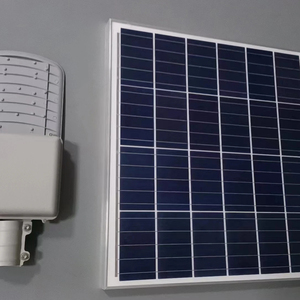
All in Two Outdoor Solar Street Light Two in One
Dual-body flexible architecture allowing optimized tilt angles for high-latitude airport perimeter security boundaries.
Inquire Now
Engineered for zero grid dependency, extreme wind resilience, and long-term operating autonomy under harsh atmospheric conditions.
Dual-body flexible architecture allowing optimized tilt angles for high-latitude airport perimeter security boundaries.
Inquire Now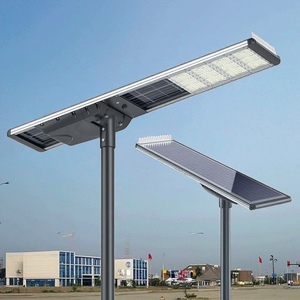
Ruggedized aluminum alloy housing engineered for airport access thoroughfares and high-traffic cargo logistics zones.
Inquire Now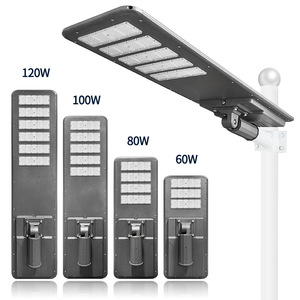
Ultra-high lumen efficacy (up to 210 lm/W) designed for wide-area apron coverage and municipal airport engineering projects.
Inquire Now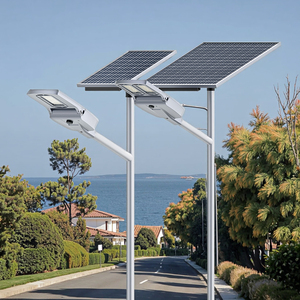
Heavy-duty split-system with smart remote telemetry, ideal for typhoon-prone coastal airport installations.
Inquire Now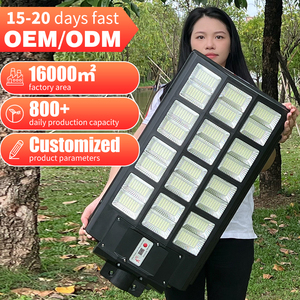
Compact monocrystalline PV integrated system for fast deployment across airport parking terminals and service grounds.
Inquire Now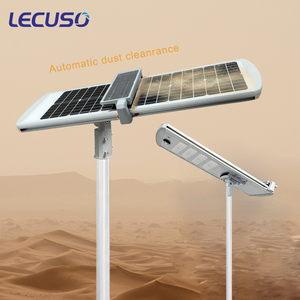
Integrated robotic wiping module ensuring zero dust build-up and maximum PV yield in arid or desert airfields.
Inquire Now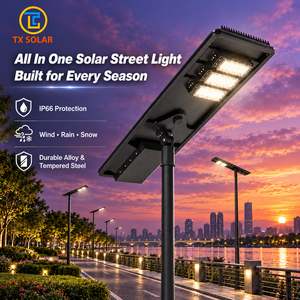
Fully customizable optical light distribution curves tailored for air freight hubs and perimeter road safety.
Inquire Now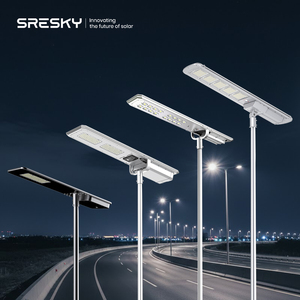
Patented ALS2.4 technology maintaining illumination for over 7 consecutive rainy days in demanding climates.
Inquire NowModern airport infrastructure development requires rigorous adherence to international civil aviation standards, strict operational security, and ambitious environmental sustainability metrics. As airport operators strive to meet international climate mandates—such as the Airport Carbon Accreditation (ACA) program and ICAO’s Net Zero 2050 carbon reduction goals—the reliance on legacy grid-tied lighting infrastructure has surfaced as a major operational bottleneck.
Grid-connected perimeter and access road lighting systems incur exorbitant civil engineering expenditures, primarily due to deep trenching, copper cabling, transformer substation allocations, and continuous utility charges. Furthermore, electrical grid vulnerability during severe weather events or regional grid collapses poses critical security risks to airside boundaries, apron maintenance zones, and cargo distribution perimeters. As a preeminent China airport solar lighting factory and exporter, our engineering division delivers state-of-the-art, fully autonomous off-grid photovoltaic (PV) lighting systems tailored specifically for civil, commercial, and military aviation applications worldwide.
Aviation Compliance Benchmark: Our airport-grade solar streetlights are engineered to satisfy ICAO Annex 14 Volume I optical safety requirements, FAA AC 150/5345 standards, and strict EMI/EMC non-interference criteria to ensure zero electromagnetic disruption to airport radio communication and air traffic control radar systems.
Exporting industrial lighting equipment to global airport EPC contractors demands flawless quality control, proven mechanical design, and advanced optoelectronic technology. Operating from our 35,000 m² automated manufacturing complex in China, our facility integrates high-precision surface mount technology (SMT), automated solar cell laser scribing, darkroom goniophotometric optical labs, and rigorous climate simulation testing chambers.
Structural pole mechanics and luminaire brackets engineered to withstand sustained aerodynamic wind loads up to 60 m/s (Category 5 hurricane speeds).
N-Type TopCon bifacial solar panels capturing direct sunlight and ground albedo reflection, boosting total power collection by up to 30%.
Thermally stabilized Lithium Iron Phosphate chemistry delivering over 6,000 deep discharge cycles with operating tolerances from -30°C to +70°C.
Patent-protected Maximum Power Point Tracking charging algorithms maximizing power conversion efficiency under low-irradiance overcast conditions.
Custom asymmetrical optical lenses guaranteeing 0% Upward Light Ratio (ULR=0) to prevent glare spill into cockpit glide paths and air towers.
Centralized cloud management system enabling automated dimming schedules, real-time battery status monitoring, and predictive maintenance alerts.
As aviation infrastructure managers upgrade legacy airport facilities, procurement dynamics are shifting rapidly toward smart, resilient, and highly sustainable technology integration. Key procurement trends shaping airport lighting tenders include:
Airport security perimeters often extend over dozens of kilometers across remote, un-serviced terrain. Traditional trenching costs for boundary lighting average $80,000 to $150,000 per kilometer. Global airport procurement agencies are increasingly prioritizing off-grid solar streetlights to eliminate 100% of cabling expenses, cutting project lead times by over 70%.
Future airport solar lighting tenders mandate smart dynamic dimming capabilities. Integrated microwave sensor technology allows luminaires to operate at 30% baseline output during low-activity night hours, ramping up seamlessly to 100% intensity upon detecting human or vehicular movement. This smart energy management extends system battery autonomy beyond 7 consecutive rain days.
Airports are high-particulate environments due to jet engine soot, rubber dust from runways, and ambient desert dust. Accumulation of dirt on PV modules can degrade charging efficiency by 25% to 40% annually. The industry is rapidly shifting toward solar streetlights equipped with motorized brush mechanisms that automatically clear dust twice daily without manual maintenance intervention.
Technological advancement in solar PV efficiency, energy storage density, and optical precision is drastically altering the airport lighting paradigm. The table below illustrates the strategic shift from legacy high-pressure sodium (HPS) and grid-tied AC LED systems to next-generation off-grid airport solar lighting systems.
| Evaluation Metric | Legacy AC Grid-Tied Lighting | Standard Commercial Solar | Next-Gen Airport Solar (Our Factory Standard) |
|---|---|---|---|
| Installation Cost (Civil Engineering) | Very High (Trenching & Cabling Required) | Low (No Trenching) | Lowest (Plug-and-play modular base) |
| Grid Failure Risk | 100% Vulnerable (Blackouts cause outage) | 0% Grid Risk | 0% Grid Risk (5+ Days Battery Reserve) |
| Wind Load Structural Rating | Standard (35-40 m/s) | Standard (30-40 m/s) | Heavy Duty (Up to 60 m/s / Cat 5) |
| Optical Glare Control (Aviation) | Moderate (High Spill Light) | Basic Street Optics | Strict Cut-off Optics (Dark-Sky / ICAO) |
| Central Remote Control (CMS) | Optional Hardwired DALI | Rarely Available | Standard LoRaWAN / Zigbee Wireless Mesh |
| Lifecycle Maintenance Cost | High (Cable repairs + electricity bills) | Moderate (Battery swap 3-5 yrs) | Ultra-Low (LiFePO4 10-12 Yr Lifespan) |
Our airport-grade solar streetlights feature precision asymmetric optical lenses specifically designed with sharp light cutoff boundaries. This guarantees zero light trespass above the horizontal plane (0% Upward Light Ratio), preventing glint and glare from distracting pilots during approach or visual air traffic controllers in the tower.
No. All our LED drivers, MPPT solar controllers, and IoT communication modules are engineered with heavy electromagnetic shielding, fully compliant with EN 55015, CISPR 15, and FCC Part 15 Class B limits. They emit zero radio frequency interference (RFI) that could affect radar, VHF aviation communications, or navigation aids.
Our systems incorporate oversized Grade-A LiFePO4 battery banks paired with intelligent Adaptive Lighting System (ALS) algorithms. When solar irradiance drops during prolonged storms, the MPPT controller dynamically adjusts power output to preserve energy, providing over 5 to 7 days of continuous nighttime lighting autonomy.
Our structural designs are validated through finite element analysis (FEA) and wind tunnel testing. Constructed from high-tensile Q235/Q355 hot-dip galvanized steel with stainless steel hardware, our systems are rated to withstand extreme Category 5 hurricane wind forces up to 60 m/s (216 km/h).
Yes. For coastal airfields located near marine turtle nesting habitats or wildlife reserves, we offer custom 590nm narrow-spectrum amber LED engine options. Amber light minimizes sea turtle disorientation while delivering full compliance with airport perimeter security illumination levels.
Whether you are designing a new commercial airport perimeter, upgrading cargo hub lighting, or seeking customized OEM/ODM manufacturing, our engineering team provides complete photometric layout designs (Dialux) and tender technical support.
Inquire Now