
Proven photometric deployment for municipal expressways, rural highways, logistics parks, and arterial transportation corridors.
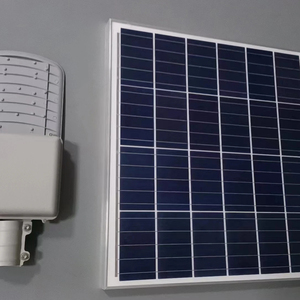
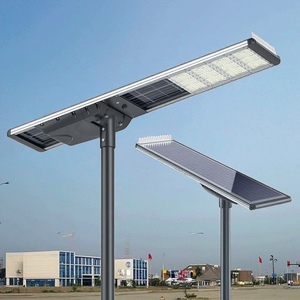
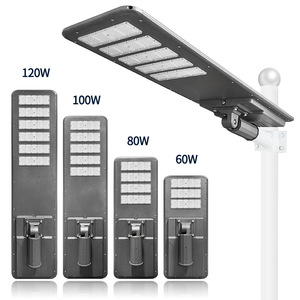
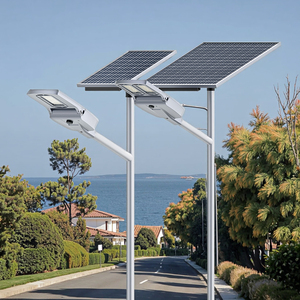
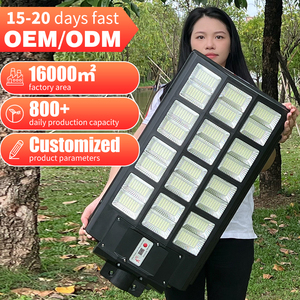
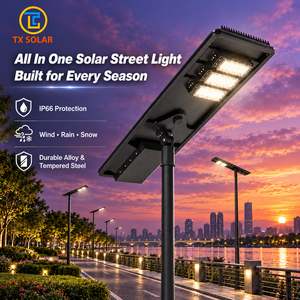
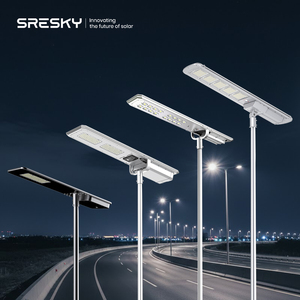
Modern highway illumination demands uncompromising reliability, stringent photometric uniformity, and robust physical endurance. As tier-one solar streetlight manufacturers and global exporters, our engineering framework solves the triple-challenge of traditional road lighting: massive utility grid expenditure, extended trenching installation timelines, and vulnerability to centralized grid blackouts.
By integrating advanced Bifacial PV harvesting modules, automotive-grade LiFePO4 energy storage, and smart MPPT dynamic throttling, our highway solar lighting systems operate with 100% off-grid autonomy. Designed to withstand Category 5 hurricane-force winds and extreme thermal fluctuation, our installations deliver zero operational carbon footprints while preserving municipal capital budgets.
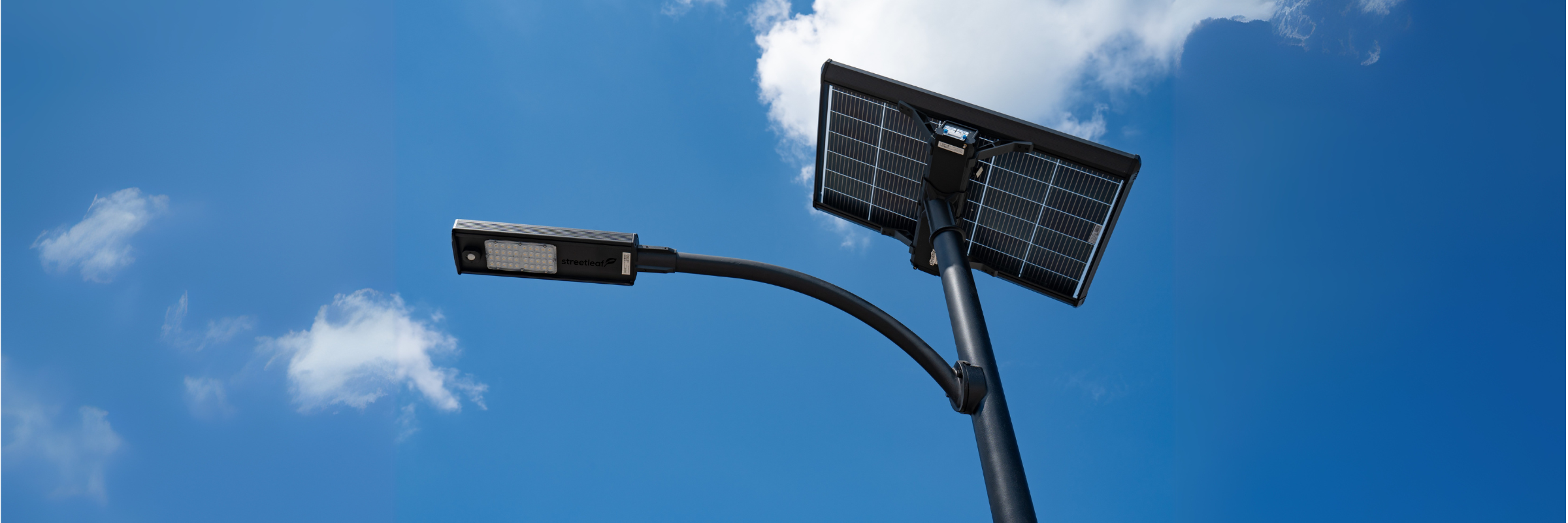
Different road classifications demand specialized thermal management, mechanical mounting, and energy balance calculations. Review our engineering trade-off matrix.
| Architecture Type | Solar Array Harvesting | Thermal Isolation | Wind Load Profile | Optimal Highway Application |
|---|---|---|---|---|
| Split-Type System | Maximum (Adjustable Tilt & Azimuth) | Complete Battery & LED Separation | High Structural Load (Dual Assembly) | Multi-Lane Expressways & High Latitude Highways |
| All-in-Two (Two-in-One) | High (Independent Panel Mount) | Enclosed Luminaire Battery Deck | Moderate Drag Coefficient | Arterial Arterial Roads, Collector Intersections |
| Integrated All-in-One | Fixed Horizontal / 15° Angle | Internal Heat-Sink Shielding | Minimal Wind Resistance (Monocoque) | Logistics Hubs, Service Plazas, Off-Ramps |
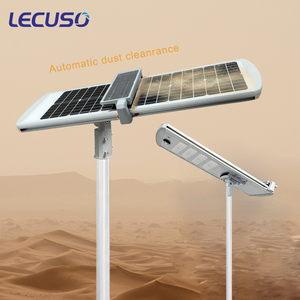
| Auto-Cleaning Integrated | High (Dust & Soot Mitigated) | Convective Multi-Chamber Airflow | Low Drag Profile with Wiper Rig | Desert Regions, Mining Corridors, High Dust Zones |
Global transportation departments are shifting from reactive lighting retrofits to proactive, zero-carbon smart utility networks.
Modern solar controllers have evolved beyond basic PWM charging. Next-generation algorithms leverage real-time meteorological forecasting to adjust lumen dimming curves dynamically, maintaining 100% lighting continuity even during consecutive weeks of heavy precipitation.
By incorporating dual-sided transparent glass-glass monocrystalline solar modules, systems capture direct sunlight on the front face while harvesting indirect ground-reflected albedo light on the rear, increasing total daily energy generation by up to 25%.
Future-proof highway deployments mandate standardized socket interfaces (Zhaga Book 18 or 7-Pin NEMA). This enables plug-and-play integration of IoT mesh nodes for central management software (CMS) monitoring, automated fault detection, and traffic-density adaptive dimming.
Legacy lead-acid and gel batteries have been completely rendered obsolete by Lithium Iron Phosphate (LiFePO4) chemistry. Modern highway units utilize cell architectures offering over 4,000 deep discharge cycles (DOD > 80%), yielding a system lifespan exceeding 10–12 years.
To mitigate light pollution and safeguard wildlife migratory routes, procurement guidelines increasingly require full cut-off optics (0% upward light output ratio - ULOR) and turtle-friendly warm/amber light spectrum switching during off-peak night hours.
Sand and dust accumulation on PV panels reduces power yield by up to 40% in dry climates. Automated motorized cleaning mechanisms clear debris daily, guaranteeing optimal solar charging efficiency without manual field intervention.

Ensuring zero downtime during winter solstices and prolonged storms requires rigorous balance-of-system sizing formulas.
From initial photometric simulation (DIALux) to export delivery, our quality control process adheres to strict international standards.
Our poles and luminaire brackets undergo finite element analysis (FEA) testing to withstand gust velocities exceeding 165 mph (74 m/s), fulfilling AASHTO structural criteria.
We engineer tailored photometric optics (Type I, II, III, IV batwing distribution) and internal electrical configurations to match regional solar irradiance levels.
Serving municipal agencies, utility partners, and commercial land developers across North America, Europe, the Middle East, and Asia with full compliance documentation.
Direct technical answers addressing critical installation, maintenance, and photometric queries.