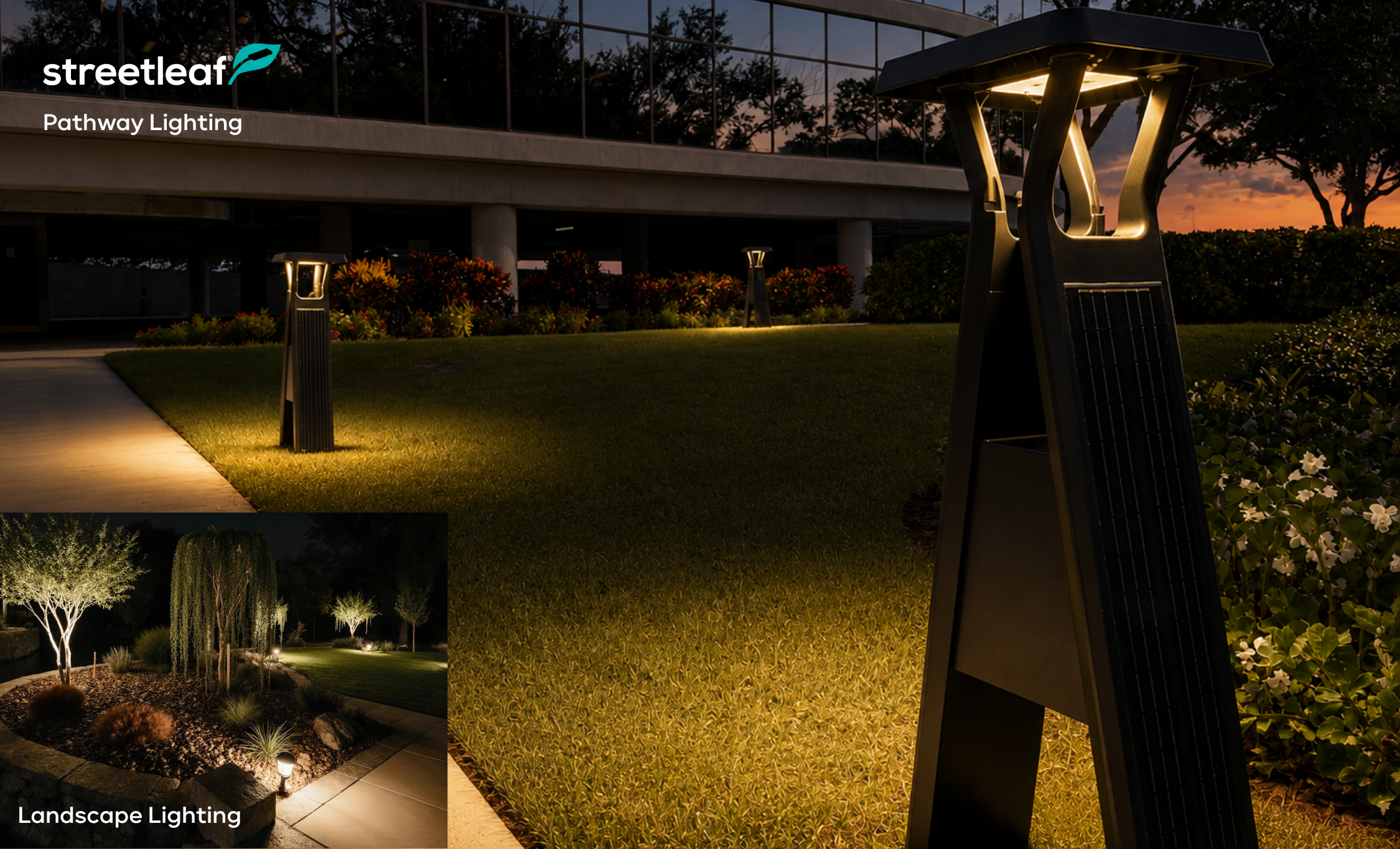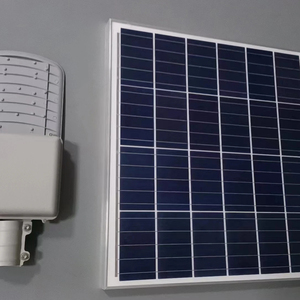

Engineered by leading OEM factories to deliver uninterrupted, storm-resilient illumination with Zero-Grid energy overhead.
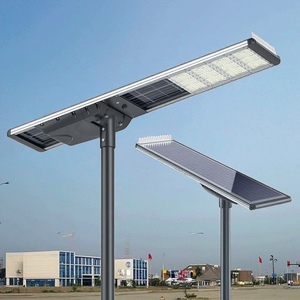
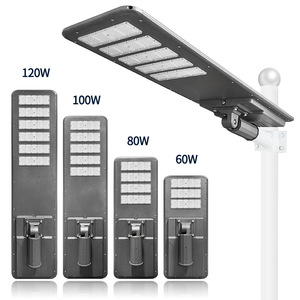
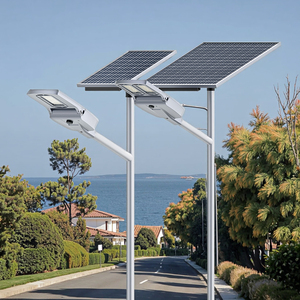
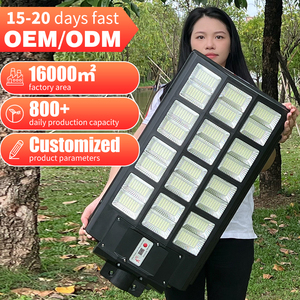
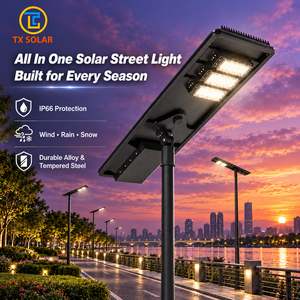
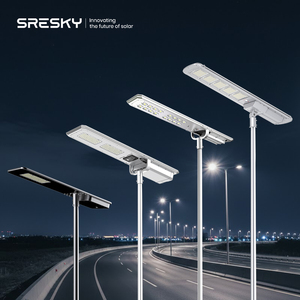
Understanding the economic, structural, and photometric dynamics modern real estate developers, HOAs, and municipalities evaluate when selecting commercial solar lighting manufacturing partners.
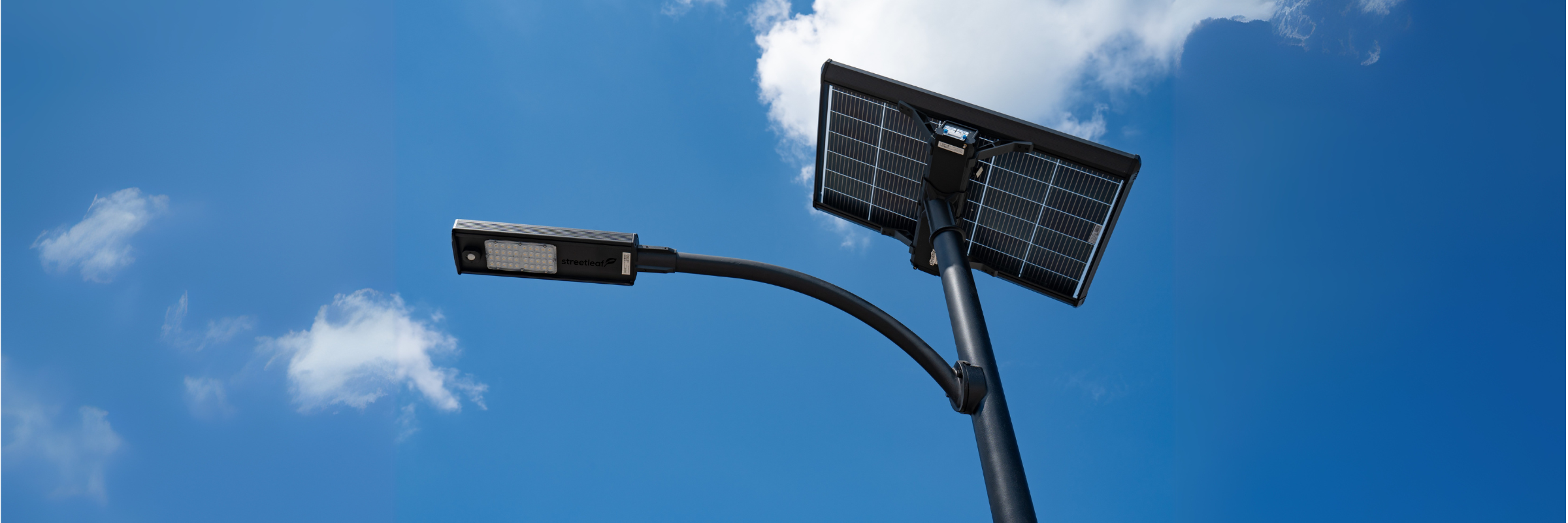
Modern commercial parking lot lighting is undergoing a fundamental structural transition. For decades, developers relied on traditional utility-connected Metal Halide (MH) or high-pressure sodium luminaires, requiring deep underground trenching, heavy copper conduit wiring, transformer connections, and lengthy municipal utility permitting cycles.
By partnering directly with specialized parking lot solar lighting factories, commercial property operators eliminate up to 70% of total initial capital expenditure (CapEx) associated with civil engineering works. Direct solar illumination bypasses utility grid interconnections entirely, guaranteeing continuous lighting during grid blackout events caused by extreme weather, equipment failure, or peak load curtailments.
Furthermore, advanced lithium iron phosphate (LiFePO4) energy storage and MPPT (Maximum Power Point Tracking) charge intelligence ensure uninterrupted 365-night operational reliability even in low solar irradiance geographical zones.
Eliminate costly concrete saw-cutting, asphalt excavation, transformer station drop charges, and high-voltage wiring installation. Systems mount directly onto engineered anchor base poles in hours.
Utilizing high-grade N-type TOPCon bifacial solar glass modules, capturing both direct overhead solar radiation and ground-reflected albedo light to boost yield by up to 28%.
Aerodynamically tested cast-aluminum heat sinks and high-tensile steel pole assemblies engineered to survive sustained Category 5 hurricane wind speeds exceeding 160 MPH (70 m/s).
Compare technical configurations across Tier-1 OEM manufacturing facilities before issuing procurement RFPs.
| System Architecture Component | Standard Commercial Grade | Tier-1 Factory OEM Specification | Operational Impact & Advantage |
|---|---|---|---|
| Solar PV Module Technology | Polycrystalline / PERC Monocrystalline (17-19% Eff.) | N-Type TOPCon Bifacial Glass-Glass (23.5% Eff.) | Generates power from ambient ground reflection; accelerates battery replenishment time by 35%. |
| Battery Chemistry & BESS | Ternary Lithium / Gel Deep Cycle (<1,500 Cycles) | EV-Grade LiFePO4 Battery Cells (>4,000 Cycles @ 80% DoD) | Provides 10+ year operational design life without memory degradation or thermal runaway risk. |
| Charge Controller Unit | Standard PWM Efficiency (70-80%) | Smart Digital MPPT with Dual Dimming (98.5% Tracking Eff.) | Dynamically adapts load output based on real-time solar harvest and battery state of charge (SoC). |
| LED Chipset & Efficacy | Standard SMD2835 (120 - 140 lm/W) | Lumileds / Bridgelux 5050 High-Efficacy (>210 lm/W) | Delivers maximum foot-candles across parking bays using lower wattage drawn from energy reserves. |
| Optical Distribution | Generic Symmetric Conical Beam Pattern | Type II / Type III Batwing Precision Optical Lenses | Provides uniform light dispersion across wide driving lanes with zero glare and zero upward spill light. |
| Housing & Environmental Protection | Extruded Aluminum Alloys (IP65 Rated) | Die-Cast ADC12 Aluminum + Anti-Corrosion C5-M Coating (IP66/IK10) | Resists salt-spray coastal environments, UV yellowing, and severe mechanical impacts. |
Emerging technologies and business models transforming industrial lighting procurement from 2026 through 2030.
Modern parking lot facilities are moving away from isolated, non-communicating luminaires. Modern factory production integrates NB-IoT, LoRaWAN, and Zigbee wireless mesh modules directly onto the driver board. Facility managers can monitor battery voltage levels, solar harvest curves, individual fixture power consumption, and execute dynamic dimming schedules from a centralized web dashboard or mobile portal.
Automated cloud diagnostics dispatch proactive maintenance alerts before system failure occurs, drastically lowering operational maintenance overhead across nationwide real estate portfolios.
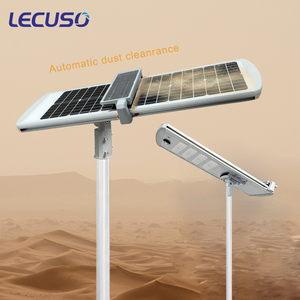
Dust, pollen, bird droppings, and industrial particulate buildup can degrade solar panel charging efficiency by 15% to 35% within months of installation. Leading solar lighting manufacturing plants are deploying integrated robotics, mechanical sweepers, and electrostatic repelling coatings.
Luminaires equipped with daily self-cleaning wipers automatically clear surface dust, ensuring peak daily energy capture without requiring manual labor or bucket-truck washing services.
Environmental regulations across North America and Europe increasingly enforce strict light pollution controls. OEM factories are responding with custom optical shields and selectable CCT engines (2700K to 5700K).
Specialized narrow-band 590nm amber LED engines protect nocturnal wildlife, sea turtle hatchlings in coastal zones, and eliminate trespass light into adjacent residential neighborhoods, achieving full Dark-Sky International certification.
To overcome capital expenditure hurdles, leading enterprise suppliers provide flexible business procurement models, including $0-upfront Service Level Agreements (SLAs). Capital budget is replaced by predictable operational expenses (OpEx), covering equipment delivery, installation, proactive remote monitoring, and hardware lifecycle replacement under a unified single contract.
From rigorous photometric testing labs to automated robotic assembly lines, discover our enterprise manufacturing capabilities.
As a specialized manufacturer of commercial off-grid solar luminaires, our production facility maintains strict adherence to ISO9001, ISO14001, and IATF 16949 quality management frameworks. Every production batch undergoes comprehensive automated testing procedures:
We work seamlessly with land developers, HOA boards, municipal utility companies, and commercial contractors to deliver tailored OEM/ODM hardware solutions engineered specifically for local climate profiles.

Explore how custom solar lighting deployments perform across diverse real-world environment matrices.
HOA neighborhood developments benefit from zero utility electric bills and silent, maintenance-free operations. Motion-activated smart dimming keeps streets safe while minimizing nighttime ambient light pollution.
Large parking lots for distribution centers, retail shopping malls, and corporate campuses eliminate electrical infrastructure bottlenecks, completing illumination projects up to 80% faster.
City governments reduce public spending while fortifying emergency infrastructure resilience against severe storms, ensuring public safety lighting remains active during widespread power grid failures.
Expert technical insights regarding sizing, battery endurance, mounting ratios, and maintenance protocols.
Get comprehensive photometric IES simulations, custom OEM product catalogs, and wholesale factory price quotes tailored to your exact parking lot layout.