
Deploy storm-resilient, 100% off-grid solar illumination engineered with Grade-A LiFePO4 batteries, high-conversion monocrystalline PV modules, and intelligent MPPT controllers.
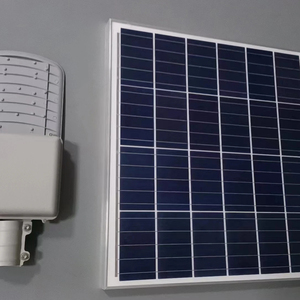
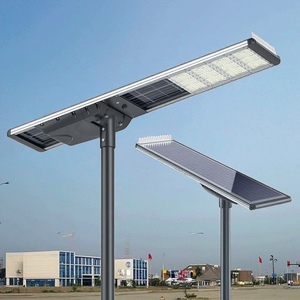
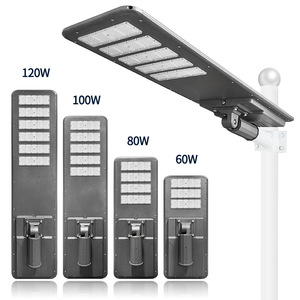
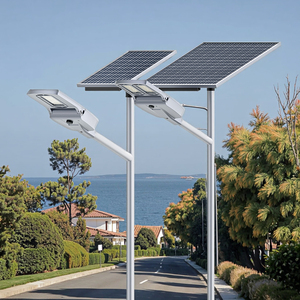
As educational institutions, corporate hubs, and municipal planners transition toward net-zero decarbonization goals, outdoor campus illumination has evolved from a passive utility into a vital benchmark of sustainable infrastructure. Transitioning expansive campuses from conventional high-pressure sodium (HPS) or grid-tied LED networks to decentralized, off-grid photovoltaic illumination eliminates significant operational expenditure while fortifying the campus against utility blackout vulnerabilities.
Modern educational campuses—encompassing university walkways, athletic complex perimeters, dormitory corridors, and expansive multi-level surface parking lots—require tailored photometric distributions (Type II, Type III, and Type V optical lenses) to prevent glare and light trespass into residential quarters while achieving uniform lux thresholds compliant with ANSI/IES RP-8-21 municipal and institutional lighting standards.
Built for long-term durability in extreme tropical, coastal, and sub-zero climates with certified military-grade resilience.
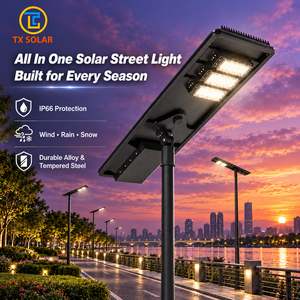
Engineered with high-tensile structural aluminum alloys (6063-T6) and reinforced stainless-steel fasteners, our solar poles and luminaire brackets withstand gusting wind velocities up to 70 m/s (156 mph), ensuring full structural integrity during severe storm conditions.
Utilizing dual-sided glass encapsulation with N-Type TOPCon solar cell architecture, our bifacial solar panels capture direct sunlight from above and ambient albedo reflection from ground surfaces, delivering up to 25% extra energy yield compared to standard panels.
Our proprietary Maximum Power Point Tracking (MPPT) charge controllers operate at 98.5% tracking efficiency. Combined with automotive-grade Lithium Iron Phosphate (LiFePO4) battery packs, systems deliver over 4,000 deep discharge cycles (10+ year lifespan).
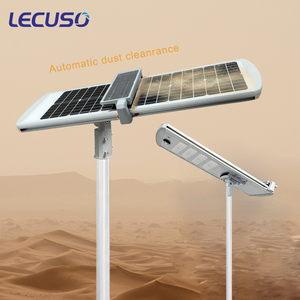
Accumulated dust, pollen, and bird droppings can degrade solar power generation by 30% annually. Our integrated auto-cleaning models run automated dual-direction wiping cycles daily, ensuring optimal solar harvesting in dusty campus locations without manual labor.
Designed to preserve nocturnal ecosystems and comply with International Dark-Sky Association (IDA) standards, our fully shielded optical distributions eliminate upward light waste (U0 rating) and offer warm 2700K–3000K or 590nm turtle-safe amber CCT options.
Campus facility directors can monitor battery state-of-charge (SoC), energy production, and luminaire status in real-time via 4G/LoRaWAN smart cloud dashboards. Dynamic dimming schedules and fault alerts reduce maintenance response times by 85%.
Evaluating long-term performance, installation friction, and financial returns across lighting technologies for campus developments.
| Evaluation Vector | Our Industrial Solar Systems | Traditional Grid-Tied LED | Low-Cost Consumer Solar Lights |
|---|---|---|---|
| Initial Infrastructure Cost | Zero Trenching & Wiring | High Civil Trenching & Permitting | Low Initial Purchase Price |
| Electricity Operational Fee | $0.00 / kWh (100% Off-Grid) | Continuous Escalating Utility Tariffs | $0.00 / kWh |
| Storm & Blackout Resilience | Cat 5 Hurricane / 5+ Days Autonomy | Fails during grid outages | 1–2 Days max; vulnerable to storms |
| Battery Chemistry & Cycle Life | LiFePO4 (4,000+ Cycles @ 80% DoD) | N/A (Grid Powered) | Ternary Li-ion / Lead-Acid (<800 cycles) |
| Solar Module Conversion Rate | 22.5%+ Monocrystalline / Bifacial | N/A | 15%–17% Polycrystalline |
| Luminaire Efficacy (lm/W) | 190 – 210 lm/W Ultra-High Output | 120 – 140 lm/W Average | 90 – 110 lm/W Low Quality LED |
| Total Cost of Ownership (10 Yrs) | Lowest Overall TCO | Highest TCO due to energy & maintenance | High TCO due to frequent replacements |
The commercial solar lighting sector is undergoing a rapid technological evolution driven by advances in semiconductor efficiency, energy storage chemistry, and IoT network integration. For procurement officers, university engineers, and municipal developers, understanding these macro trends is vital for specifying infrastructure that remains operationally viable over a 15-to-20-year horizon.
Next-generation commercial solar streetlights are shifting away from PERC solar cells to N-Type TOPCon and emerging Perovskite-Silicon tandem modules. Expect conversion efficiencies to surpass 28% by 2028, enabling smaller luminaire footprints while generating higher daily energy yields in high-latitude regions with limited peak sun hours.
Static lighting schedules are being replaced by micro-radar motion sensors (24GHz microwave sensing) paired with AI edge controllers. Luminaires autonomously adjust illumination profiles based on foot traffic patterns, weather forecasts, and historical solar harvest rates, guaranteeing non-stop night operation even through extended overcast periods.
Sustainability mandates require modular hardware component isolation. Future-proof solar streetlights feature tool-less battery compartment access and standardized plug-and-play driver modules. By 2030, solid-state battery technology will further double energy density while expanding operating temperature ranges from -40°C to +85°C.
Capital allocation remains a central decision factor for campus master developments. While traditional procurement involves capital expenditure (CAPEX) for equipment acquisition and installation, leading suppliers now provide zero-upfront financial models through Lighting-as-a-Service (LaaS) and monthly service agreements.
Best suited for municipal grant recipients and institutions with designated infrastructure funding. Offers maximum long-term return on investment (ROI) with complete asset ownership, backed by robust 5-to-10-year manufacturer warranties.
Ideal for HOAs, private universities, and corporate parks seeking immediate lighting upgrades without capital outlay. The vendor assumes turnkey installation, remote 24/7 telemetry monitoring, and all battery/component maintenance for a predictable monthly fee.
Addressing key operational, installation, and engineering concerns of B2B campus lighting buyers.
From custom engineering and photometric lighting layout design to containerized international logistics and long-term warranty support—we deliver turnkey off-grid lighting solutions tailored to your campus specifications.