
Commercial-grade, storm-resilient, off-grid solar streetlights designed for airport access roads, perimeter security fencing, ground equipment parking, and regional airfields across New Zealand.
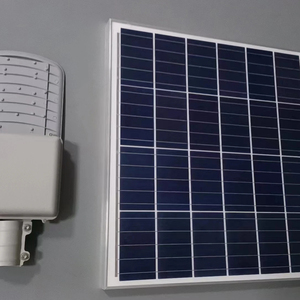
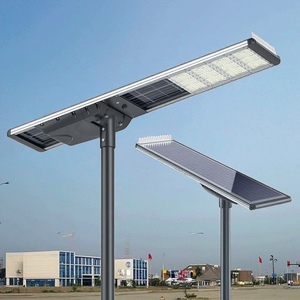
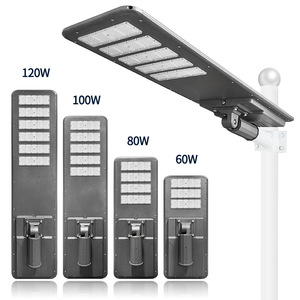
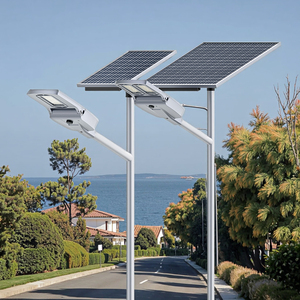
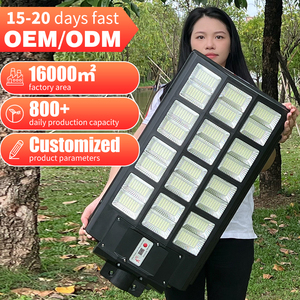
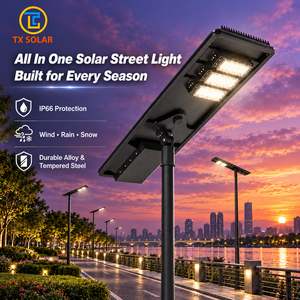
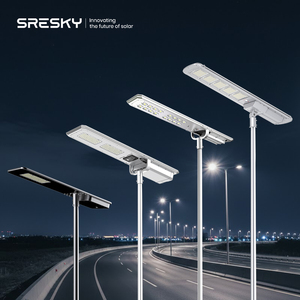
As New Zealand advances its net-zero emissions targets under the Climate Change Response (Zero Carbon) Amendment Act, international and regional airport operators across both the North and South Islands are undergoing a structural shift toward sustainable, off-grid infrastructure. From major gateways such as Auckland International Airport (AKL), Christchurch International Airport (CHC), and Wellington Airport (WLG) to critical regional hubs like Queenstown (ZQN), Nelson (NSN), and Blenheim (BHE), aerodrome asset managers are evaluating zero-grid exterior illumination technologies.
Traditional utility grid-tied exterior lighting systems represent significant operational vulnerabilities and astronomical capital expenditures for airport authorities. Excavating asphalt aprons, trenching across active taxiway perimeters, laying high-voltage cabling through complex sub-soils, and coordinating grid connections with regional lines companies (such as Orion, Vector, or Powerco) frequently cause project delays and budget overruns. Furthermore, New Zealand’s heightened vulnerability to seismic events along the Alpine Fault and severe sub-tropical storm systems (such as Cyclone Gabrielle) underscores the absolute necessity of non-grid-dependent infrastructure.
Modern off-grid solar LED lighting systems provide a resilient, cost-effective alternative. By generating and storing energy locally via high-efficiency photovoltaic modules and advanced Lithium Iron Phosphate (LiFePO4) storage cells, these standalone luminaires maintain continuous operational readiness regardless of main power grid failures. This technical whitepaper analyzes the engineering standards, regulatory integration, environmental challenges, and factory supply options for airport solar lighting within the New Zealand market.
By deploying off-grid solar lighting for airside perimeters and landside access routes, airport operators eliminate up to 85% of total project capital expenditure associated with ground trenching, transformer installation, and high-voltage underground cabling, while simultaneously achieving 100% operational autonomy during national grid blackouts.
Deploying exterior lighting fixtures within an operational aerodrome environment demands absolute adherence to strict safety and optical guidelines established by global and local aviation authorities. In New Zealand, civil aviation security is governed by the Civil Aviation Authority of New Zealand (CAA NZ), alongside international guidelines issued by the International Civil Aviation Organization (ICAO).
Exterior airport solar luminaires positioned near active flight paths, aprons, or perimeter security zones must strictly prevent vertical light spill, direct glare, and pilot flash blindness. Standard municipal streetlights are unacceptable for airfield proximity because their unshielded light distribution can interfere with pilot vision during critical final approach and landing phases, or distort air traffic controllers' view from the ATC tower.
New Zealand’s unique maritime geographic layout subjects airport facilities to aggressive environmental degradation factors. Atmospheric conditions include heavy sea-spray, salt fog, high humidity, and powerful wind channels (e.g., Wellington's Cook Strait wind funnel effect).
A frequent query among New Zealand municipal engineers and airport procurement officers concerns solar harvesting capacity during South Island winter conditions (e.g., Dunedin, Invercargill, Queenstown), where sun hours decline significantly and winter ambient temperatures drop below freezing.
Unlike standard single-sided solar panels, advanced airport solar streetlights integrate N-Type TOPCon Bifacial Monocrystalline Solar Panels. These modules harvest direct sunlight on their top surface while simultaneously absorbing ground-reflected ambient light (albedo effect) from surrounding concrete runway aprons, gravel perimeters, or snow-covered surfaces. Bifacial integration yields up to 25% higher cumulative energy harvest per square meter, compensating for low sun angles during southern hemisphere winters.
Energy storage is the heart of off-grid airport illumination resilience. Conventional lead-acid or gel batteries suffer rapid thermal degradation and shallow discharge depth. Premium airport solar luminaires specify grade-A Lithium Iron Phosphate (LiFePO4) battery packs offering clear technical advantages:
To evaluate the long-term economic and operational impact, airport asset managers must evaluate Total Cost of Ownership (TCO) across initial capital expenditure (CAPEX), ongoing operational expenditure (OPEX), and disruption factors.
| Performance Metric | Traditional Grid-Tied HPS / LED | Smart Off-Grid Solar LED System |
|---|---|---|
| Ground Trenching & Cabling Cost | Extreme ($120–$250 per linear meter in airfield concrete) | Zero ($0) - Completely Trenchless |
| Installation Speed | Slow (Weeks to months; requires tarmac closure) | Rapid (15-20 minutes per pole) |
| Operational Electricity Bill (OPEX) | High (Continuous monthly utility billing) | $0 Electricity Consumption |
| Blackout / Grid Outage Resilience | Fails during grid outages (Requires back-up generator) | 100% Autonomous Operation |
| Environmental Carbon Footprint | Indirect grid carbon emissions | Zero Carbon Offset Infrastructure |
| Maintenance Requirements | Frequent bulb/ballast replacements | Self-cleaning solar modules (10+ yr life) |
Tailored off-grid illumination engineered for the multi-faceted zone requirements of modern aviation hubs.
Airport security fences span several kilometers around remote airfields. Solar streetlights remove the requirement for high-voltage cable runs along boundary walls. High-lumen, dusk-to-dawn split-type solar lights deliver continuous security surveillance lighting for infrared CCTV cameras, preserving airfield security under all conditions.
Airport car parks require reliable, uniform lighting to guarantee passenger safety and vehicle security. Microwave motion-sensor solar lights maintain a baseline 30% ambient output during low-density overnight hours, immediately ramping up to 100% brightness upon detecting pedestrian or vehicle motion.
Regional unstaffed airfields across New Zealand (e.g., West Coast, Milford Sound, Chatham Islands) rely on standalone solar lighting for emergency medical evacuations (Medevac) and search-and-rescue landing zones. Built-in battery reserves ensure operational lighting during natural emergency disruptions.
Rigorous physical testing and aesthetic design integration ensuring harmony with contemporary airport masterplans.
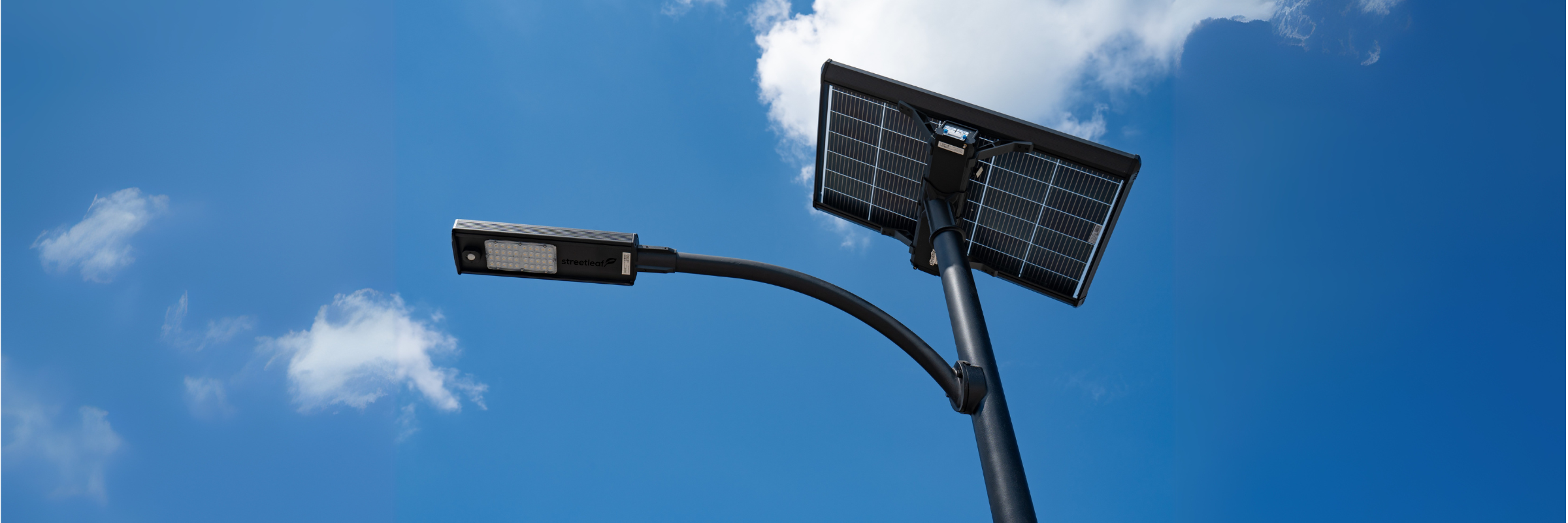


Selecting an experienced, Tier-1 manufacturing partner is critical when procuring high-reliability solar equipment for airport projects in New Zealand. As a specialized solar streetlight factory, we provide direct B2B supply, custom engineering, and rigorous quality assurance protocols tailored for aviation contractors and municipal engineers.
Our in-house optical design team generates comprehensive DIALux photometric reports for your specific airfield layout. We simulate illuminance levels (Eav, Emin), light uniformity ratios (U0), and glare ratings to ensure full compliance with ICAO Annex 14 standards prior to manufacturing.
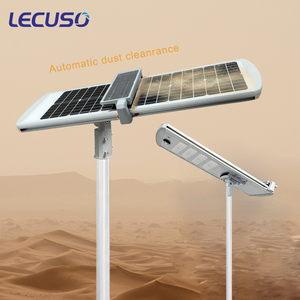
Airport zones often accumulate high volumes of airborne dust, jet fuel particulates, and bird droppings. Our flagship Self-Cleaning Solar Street Lights feature built-in robotic wiper brushes that automatically sweep panels twice daily, maintaining peak charging efficiency without expensive manual maintenance access.
Integrate entire luminaire fleets into centralized Airport Building Management Systems (BMS). Facility managers can remotely audit real-time battery state of charge (SOC), solar power generation, dimming schedules, and automated failure alerts via cloud dashboards.
All components undergo rigorous factory testing, including thermal shock, IP66 waterproof immersion, and vibration testing. We provide direct container freight shipments to major New Zealand ports (Auckland, Lyttelton, Wellington) with complete AS/NZS compliance documentation.
Detailed answers covering regulatory compliance, extreme weather operation, logistics, and technical specifications.
Yes. When properly specified with full cut-off optics (0% upward light emission / ULOR=0), zero vertical glare lenses, and precise CCT configurations (3000K-4000K), solar luminaires fully comply with ICAO Annex 14 Chapter 5 and CAA NZ Advisory Circular AC139-6 for aerodrome proximity lighting.
Our airport solar lighting systems are engineered specifically for high-latitude winter conditions. By combining high-efficiency N-Type TOPCon bifacial solar panels (harvesting ground albedo reflection) with grade-A LiFePO4 battery storage, systems maintain 5 to 7 days of continuous reserve power even during extended overcast or rainy winter weather in regions like Canterbury, Otago, and Southland.
Luminaires feature marine-grade die-cast aluminum alloy housings treated with ISO 12944 C5-M compliant anti-corrosion coatings. All external mounting hardware, bolts, and brackets are manufactured from 316-grade stainless steel to resist salt fog degradation for 10+ years.
Our structural poles and luminaire brackets are stress-tested using Finite Element Analysis (FEA) to endure wind speeds up to 280 km/h (Category 5 hurricane force), meeting AS/NZS 1170.2 Structural Design Actions standards for severe wind zones such as the Cook Strait and alpine channels.
Standard factory production lead time is approximately 14 to 21 business days. Ocean freight shipment directly to Ports of Auckland, Lyttelton (Christchurch), or Wellington typically takes 18 to 25 days. Express air freight options are available for urgent project components.
Yes. Systems can be integrated with LoRaWAN, Zigbee, or 4G/5G smart controllers. Airport maintenance teams can adjust lighting profiles, set motion-sensing dimming rules, inspect real-time battery status, and receive immediate fault alerts directly on mobile or desktop computer dashboards.
Upgrading airport access roads, perimeter security fencing, or regional airfields in New Zealand? Contact our engineering team for expert advice, DIALux optical simulations, and competitive direct factory pricing.
Get a Quote