
Engineered specifically for Polish atmospheric conditions (Lat. 49°N–54°N), featuring high-efficiency MPPT controllers, low-irradiance monocrystalline/bifacial PV modules, and sub-zero LiFePO4 thermal storage.
A deep dive into photovoltaic performance optimization, winter thermal battery management, and compliance with European Union directives for off-grid municipal lighting.
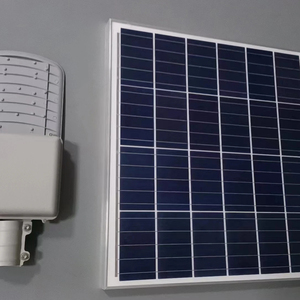
Poland experiences severe solar radiation seasonal variance—ranging from peak summer levels of 5.5 kWh/m²/day down to winter averages of 0.6–0.9 kWh/m²/day in December and January. Our standalone solar systems utilize N-Type TOPCon and Bifacial PERC monocrystalline cells with an industry-leading module conversion efficiency exceeding 22.8%. By harvesting diffuse sunlight and ground-reflected albedo (especially during Polish winter snow cover), our systems capture up to 28% additional energy compared to conventional solar panels.
Sub-zero freezing temperatures in regions like Podlaskie, Małopolskie, and Lubelskie (-20°C or lower) severely compromise standard Lithium-ion chemistries. Our engineered standalone systems feature specialized Lithium Iron Phosphate (LiFePO4) battery packs integrated with smart thermal insulation sleeves and automatic internal PTC heating elements. Controlled by an advanced BMS, charging is safely regulated above freezing temperatures, preventing lithium plating while maintaining 6,000+ deep discharge cycles (at 80% DoD) and ensuring 5+ consecutive days of backup autonomy.
To overcome overcast winter skies across Voivodeships like Mazowieckie and Greater Poland, our digital Maximum Power Point Tracking (MPPT) charge controllers operate with 99.5% tracking efficiency. Combined with real-time temperature compensation algorithms and adaptive dimming profiles (e.g., 100% full power during peak traffic hours, transitioning to 30% ambient output with microwave motion detection at midnight), energy consumption is dynamically matched with real-time battery state-of-charge (SoC).
Engineering Benchmark for Municipal Procurement: Standard off-the-shelf tropical solar streetlights suffer catastrophic winter blackouts in Poland due to undersized PV modules and unheated batteries. The table below outlines our certified manufacturing parameters engineered specifically for Central European climatic zones.
| Technical Parameter | Standard Tropical/Asian Export Models | Our CE Certified Standalone System for Poland |
|---|---|---|
| PV Cell Chemistry & Efficiency | Standard Poly/Mono (17% - 19%) | N-Type TOPCon / Bifacial Monocrystalline (22.8%+ Efficiency) |
| Winter Solar Angle Optimization | Fixed 15° - 25° Tilt (Snow Accumulation Risk) | Adjustable 50° - 65° Fixed Winter Tilt (Self-Shedding Snow) |
| Battery Chemistry & BMS Heating | Standard Ternary Li-ion / No Thermal Control (Fails at 0°C) | Grade-A LiFePO4 with Smart BMS Integrated PTC Heating (-25°C to +65°C) |
| Autonomy Reserve (Continuous Rain/Snow) | 1 - 2 Days Max | 5 - 7 Days Continuous Full Autonomy (Dark-Day Capability) |
| Polish Optical Compliance | Symmetric Flood (High Glare & Light Pollution) | PN-EN 13201 Compliant Type II-M/III-M Lenses (ULOR = 0, Dark-Sky) |
| CE Directive Certifications | Self-Declared / Basic EMC Only | Fully Tested: LVD (2014/35/EU), EMC (2014/30/EU), RED (2014/53/EU), RoHS |
| Atmospheric Anti-Corrosion Rating | Standard Powder Coating (C2 Class) | Hot-Dip Galvanized ISO 1461 + Architectural C4/C5 Coastal Coating |
Expanding power grids to unlit rural roads, newly planned housing developments, or industrial logistics parks in Poland often requires extensive utility trenching, permits, and massive capital expenditure. Standalone solar lighting systems eliminate grid dependency completely, providing instant, eco-friendly illumination that fulfills all local municipal lighting directives.
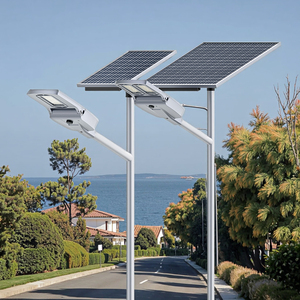
Connecting secondary gmina roads across rural Voivodeships (e.g., Lubelskie, Świętokrzyskie) to grid power is economically unviable. Our high-lumen, high-mast standalone solar lights deliver precise luminance distribution meeting strict Polish national road standards without grid transformers.
Logistics hubs require robust, 24/7 security lighting around perimeters, docking bays, and heavy truck parking lots. Smart motion-controlled standalone luminaires maintain high visibility during operational hours while conserving energy throughout low-traffic shifts.
coastal towns such as Gdańsk, Gdynia, Świnoujście, and Kołobrzeg face harsh salt-spray oxidation and gale-force Baltic winds. Our housing structures feature heavy-duty ADC12 die-cast aluminum coated with fluorocarbon corrosion protection rated to ISO 12944 C4/C5, complemented by Category 5 hurricane wind resistance.

For Polish public tenders (Przetargi Publiczne) and private developer contracts, complete regulatory compliance is non-negotiable. As a premier manufacturer and direct supplier, our standalone solar lighting systems undergo rigorous testing by accredited European Notified Bodies to ensure full adherence to mandatory EU directives:

Combining scalable OEM/ODM manufacturing capability with localized technical expertise, we provide turn-key off-grid solar illumination solutions engineered for total peace of mind.
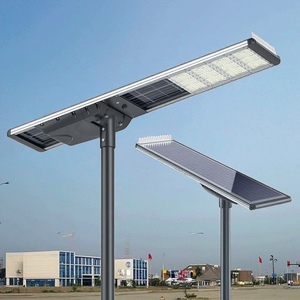
Equipped with structural steel reinforced poles and finite-element-analyzed mounting brackets, our standalone assemblies withstand extreme wind velocity up to 60 m/s (216 km/h). Ideal for heavy winter storms and high-wind coastal regions across Northern Poland.
Monitor your entire fleet of standalone solar streetlights remotely from Warsaw, Kraków, or anywhere globally. Real-time dashboards report battery state-of-charge, solar charging current, ambient temperature, fault detection, and automated maintenance alerts via 4G/LoRaWAN channels.
We work with land developers, utilities, and gmina administrations to offer capital-light procurement. Our customized Lighting-as-a-Service (LaaS) and service agreement structures cover equipment supply, monitoring, and long-term maintenance under predictable monthly operating budgets.
Answers to essential technical, regulatory, and financial questions regarding standalone solar street light installation in Poland.
Our systems are designed using a localized winter solar radiation coefficient (0.6 kWh/m²/day). We oversize our high-efficiency bifacial monocrystalline PV panels and pair them with 99.5% MPPT tracking. Coupled with a 5-to-7-day deep-cycle LiFePO4 battery reserve and adaptive dimming schedules, the system ensures zero blackout nights even during prolonged rain or snowfall in December and January.
We provide complete, verified CE documentation packages required by Polish public tender law (Prawo Zamówień Publicznych). This includes official test reports from accredited laboratories for LVD (EN 60598-2-3 safety), EMC (EN 55015 / EN 61547), RED (for smart IoT sensors), RoHS compliance certificates, IP66 waterproof validation, IK10 impact protection, and photobiological safety reports (EN 62471).
Charging standard Lithium batteries below 0°C leads to permanent lithium dendrite formation and cell failure. Our cold-climate standalone lighting systems incorporate smart BMS-controlled thermal heating pads (PTC technology). Before charging begins, the system uses a tiny fraction of solar energy to warm the internal LiFePO4 battery compartment to safe operational temperatures above 0°C, enabling reliable discharge performance down to -25°C.
Yes. Our optical engineering team utilizes professional Dialux simulation modeling to design custom PMMA batwing lenses (Type II-M, Type III-M). This guarantees that pole-to-pole distances of 35 to 45 meters achieve required overall luminance uniformity (U0 ≥ 0.40) and longitudinal uniformity (Ul ≥ 0.60) matching PN-EN 13201 lighting classes for pedestrian (P1-P6), performance (C1-C5), and motorized (M1-M6) traffic roads.
Absolutely. Because our standalone solar lighting systems are 100% off-grid, zero-emission, and CE certified, they qualify directly for various EU cohesion funds, the European Green Deal initiative, and national Polish decarbonization programs such as "Polski Ład" and "Czyste Powietrze" infrastructure modernization grants.
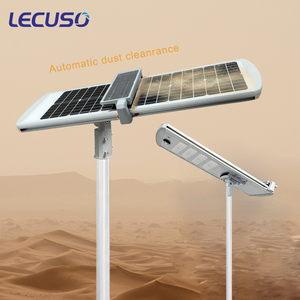
Our LED luminaires feature an L70B10 rated lifespan exceeding 100,000 hours (approx. 22 years of nightly operation). The high-grade LiFePO4 battery pack delivers over 6,000 cycles at 80% DoD, translating to a 12-to-15-year battery life. Maintenance is minimal—limited to periodic visual inspections and optional automated self-cleaning solar panel sweepers to remove snow or dust build-up.
Security is designed into our physical architecture. For all-in-one and split-type industrial models, battery packs are housed either high up directly integrated into the aluminum luminaire chassis at heights above 6–10 meters, or secured within anti-theft underground IP68 vault enclosures protected by tamper-proof security bolts and internal tilt/vibration alerts linked to the IoT telemetry system.
Standard production lead time for CE-certified customized OEM batch orders is 15 to 20 business days. Transit time via multimodal ocean/rail freight to major logistics hubs across Poland (such as Warsaw, Łódź, or Gdańsk port) typically ranges from 25 to 30 days. Express air shipment for urgent engineering samples or spare parts is available within 5 to 7 days.
Whether you are drafting a municipal tender, designing a commercial park, or upgrading gmina rural infrastructure, our technical engineering team is ready to provide complete Dialux photometrics, technical specifications, and factory-direct pricing.