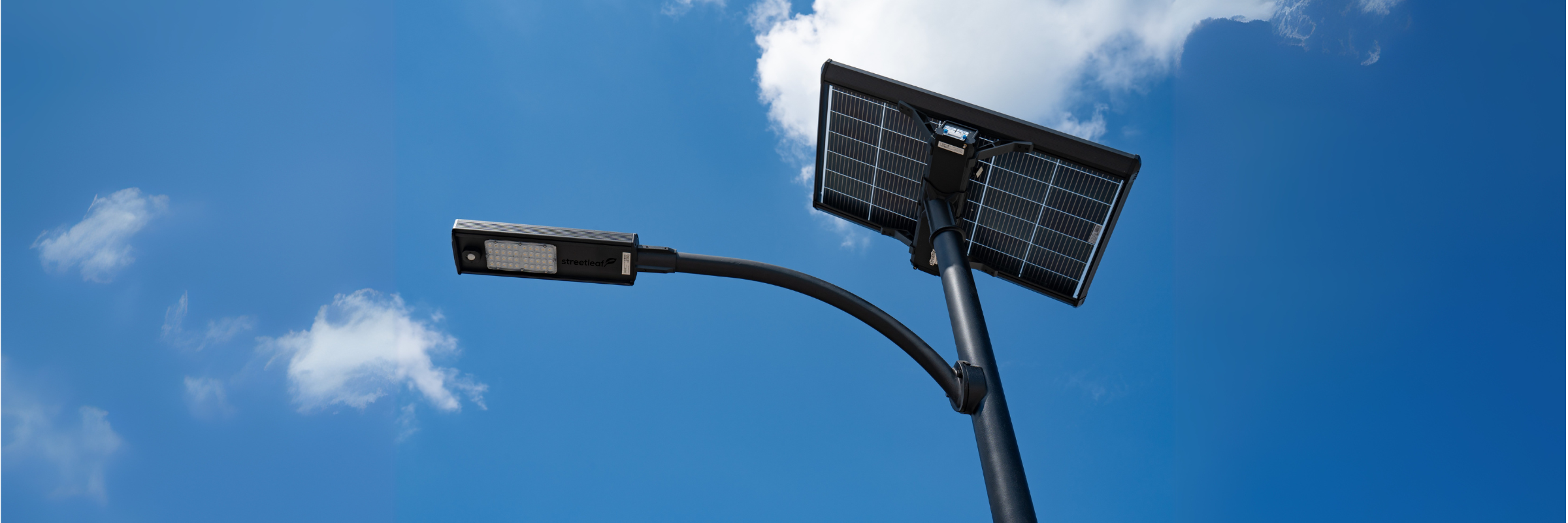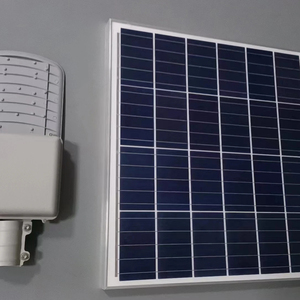
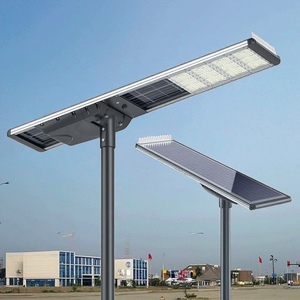
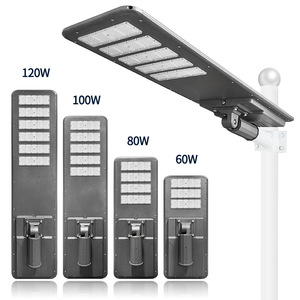
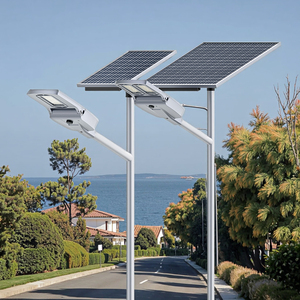
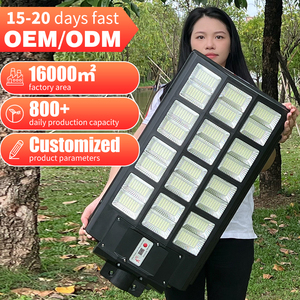
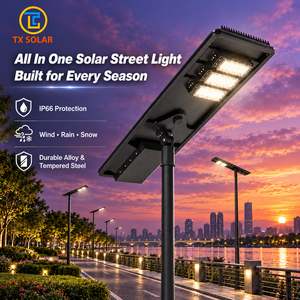
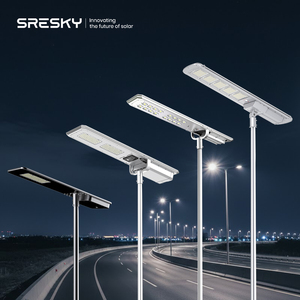
Whitepaper: Navigating Sri Lanka’s Energy Transition with Commercial Solar Post & Street Lighting
Sri Lanka’s rapid urban expansion across the Western Province, coastal resort corridors from Bentota to Tangalle, and industrial hubs surrounding Hambantota and Colombo Port City has highlighted severe grid vulnerabilities. With rising utility tariffs imposed by the Ceylon Electricity Board (CEB) and frequent grid instability caused by seasonal monsoons, public and commercial infrastructure developers face a critical imperative: transitioning to autonomous, off-grid commercial solar lighting systems.
As China’s premier engineering OEM/ODM manufacturer of commercial solar post lighting and integrated solar street luminaires, our systems are tailored specifically to withstand Sri Lanka’s unique tropical environment. From intense equatorial UV radiation and high ambient temperatures to salt-laden marine air and prolonged monsoon cloud cover, our systems guarantee 100% continuous operational uptime without incurring grid electricity costs.
Strategic Value for Sri Lankan Engineers & EPC Contractors: Standard off-the-shelf solar lights frequently fail within 12-18 months in Sri Lanka due to salt spray corrosion, thermal degradation of lithium batteries, and insufficient autonomy during the Southwest (May to September) and Northeast (December to February) monsoons. Our commercial luminaires utilize marine-grade C5-M anodized aluminum, micro-controller MPPT tracking, and LiFePO4 chemistry designed for 60°C internal thermal thresholds.
Solving the Tropical Climate Engineering Challenge
Sri Lanka lies between latitudes 5° 55' and 9° 51' N, placing it directly within the high-irradiance tropical zone. However, maximizing solar energy yield requires precise photovoltaic engineering:
- Monocrystalline PERC & N-Type TopCon Cells: Utilizing 182mm multi-busbar solar cells yielding over 23.5% module efficiency, capturing both direct sun rays and diffuse ambient light during heavy rain or overcast weather.
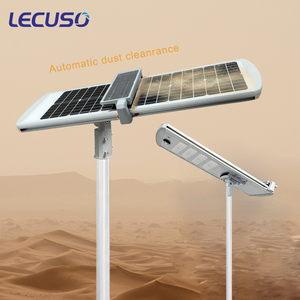
- Anti-Sooting Hydrophobic Optics: Self-cleaning tempered glass coatings prevent dust accumulation, bird drop adhesion, and humidity grime buildup—ensuring solar absorption rates remain consistent without manual maintenance.
- Microprocessor-Driven MPPT Dimming: Proprietary Maximum Power Point Tracking controllers adapt energy output based on battery state-of-charge (SoC), extending illumination through 7 to 10 consecutive rain days.