
Technical Whitepaper: Engineering High-Efficiency Solar Lighting Systems for the Greater Chicago Climate
Designing municipal and commercial outdoor illumination for the Greater Chicago Metropolitan Area—encompassing Cook, DuPage, Will, and Lake Counties—presents severe engineering constraints. Termed the "Windy City" due to extreme pressure gradients off Lake Michigan, Chicago subjects outdoor electrical infrastructure to polar vortex freezes dropped down to -20°F (-29°C), heavy lake-effect snowfall, freezing rain, and sustained gale-force winds exceeding 60 mph. Standard commercial grid-tied fixtures and generic off-the-shelf solar assemblies frequently experience catastrophic component failure, battery shutdown, or panel shading under these conditions.
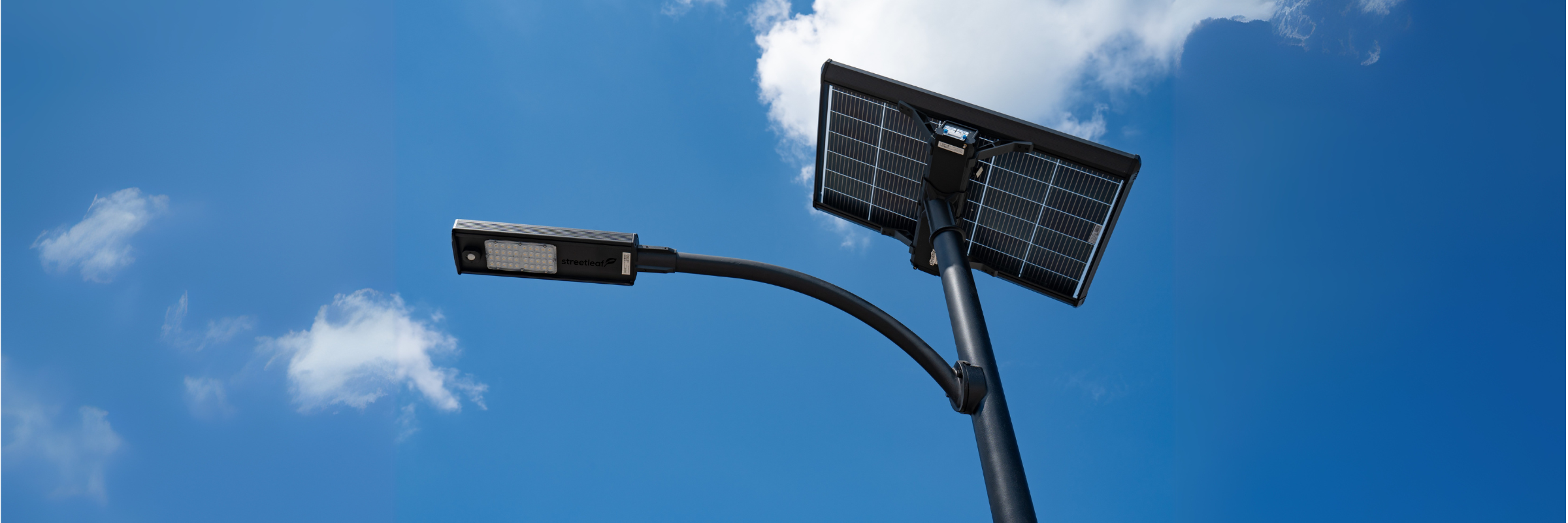
As a specialized high-efficiency solar lighting manufacturer supplying factories, logistics corridors, HOAs, and civil contractors serving Chicago, our engineering team has developed purpose-built, off-grid LED luminaires. By synthesizing advanced bifacial N-type TOPCon monocrystalline photovoltaics, sub-zero LiFePO4 battery thermal management, and intelligent MPPT (Maximum Power Point Tracking) algorithms, our systems overcome regional environmental hurdles while completely eliminating utility interconnection delays with Commonwealth Edison (ComEd).
Technical Directives for Midwest Infrastructure: Off-grid solar deployment in Chicago requires an autonomy ratio capable of sustaining continuous lumen output across 5 consecutive overcast winter days (insolation dropping below 1.8 kWh/m²/day in December/January) combined with snow-shedding panel geometry and wind-load dampening mechanical design.
1. Sub-Zero Battery Thermal Management & Chemistry
Standard Lithium Ion (Li-ion) or lower-grade Lithium Iron Phosphate (LiFePO4) energy storage systems suffer severe capacity loss and irreversible plating degradation when charged at temperatures below 32°F (0°C). In Chicago’s winters, unheated solar batteries can lose over 60% of usable capacity or shut down entirely when temperature thresholds drop.
Our industrial-grade luminaires incorporate smart thermo-regulated LiFePO4 battery enclosures utilizing internal thermal insulation wraps paired with auxiliary micro-heating pads. Powered directly by morning solar harvesting prior to main charge cycle initiation, the thermal controller raises cell core temperatures above 5°C. This engineering mechanism ensures 100% depth-of-discharge (DoD) capability and maintains an operational lifespan exceeding 4,000 cycles (approx. 10–12 years) even during prolonged Midwest cold waves.
2. Snow Albedo Harvesting via Bifacial PV Module Design
Traditional single-sided solar streetlights experience total power blackout when heavy, wet snow accumulates on top of the photovoltaic glass. Our dual-sided (bifacial) solar module architecture solves this challenge through two primary mechanisms:
- Rear-Side Ground Albedo Collection: Ground cover snow in Chicagoland possesses a exceptionally high surface albedo rating (reflecting between 75% to 90% of ambient sunlight). The underside of our vertical and angled bifacial panels captures this reflected ground radiation, generating up to 25%–30% additional power even when the top surface is partially covered.
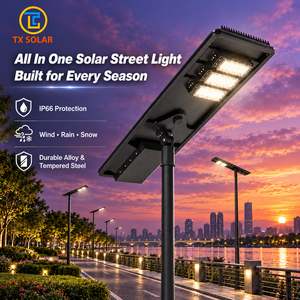
- Passive Snow Shedding Hydrophobic Coating: Panels feature nano-scale hydrophobic fluoropolymer coatings paired with a optimized 45° to 60° tilt bracket geometry tailored specifically for Chicago’s latitude (41.8781° N). Internal cell warmth generated by rear-side energy production melts the interface layer of snow, causing top snow sheets to slide off automatically.
Performance Matrix: Factory-Grade Solar vs. Traditional Grid-Tied Lighting in Chicago
Civil engineers and municipal planners evaluating infrastructure upgrades across Cook County can compare operational performance and lifecycle expenditures in the table below:
| Evaluation Parameter | Factory OEM Off-Grid Solar Luminaire | Traditional ComEd Grid-Tied High-Pressure Sodium/LED |
|---|---|---|
| Trenching & Utility Interconnection | $0 / Zero Days Delay: Self-contained solar pole installation. | $35 - $80 per linear foot: Asphalt cutting, conduit, grid connection permits. |
| Winter Storm Grid Resilience | 100% Autonomous: Operates during regional utility grid blackouts. | Vulnerable: Subject to power outages caused by ice storms & transformer fails. |
| Monthly Electricity Cost | $0.00 / kWh: Clean, localized solar energy production. | Recurring Tariff Rates: Subject to ComEd commercial delivery & energy charges. |
| Chicago Wind Load Rating | AASHTO Certified: Withstands sustained wind gusts up to 140 mph. | Standard utility poles vary by age and structural degradation. |
| Environmental Carbon Footprint | Zero Operational Emissions: Qualifies for Illinois CEJA clean energy incentives. | Indirect emissions dependent on regional fossil-fuel grid generation balance. |
Localized Application Scenarios Across Greater Chicago
Our direct-from-factory solar lighting platforms are tailored for high-impact deployment across varied commercial, municipal, and industrial sub-markets throughout Northern Illinois:
O'Hare & I-55 Logistics Depots
Illuminating expansive freight staging yards, intermodal container facilities, and distribution hubs in Elk Grove Village and Joliet without disrupting active truck lanes with trenching work.
Suburban HOA & Residential Communities
Providing steady, aesthetic, Dark-Sky compliant neighborhood street illumination across Schaumburg, Naperville, and Orland Park with zero monthly utility assessments for homeowners.
Municipal Parks & Waterfront Trails
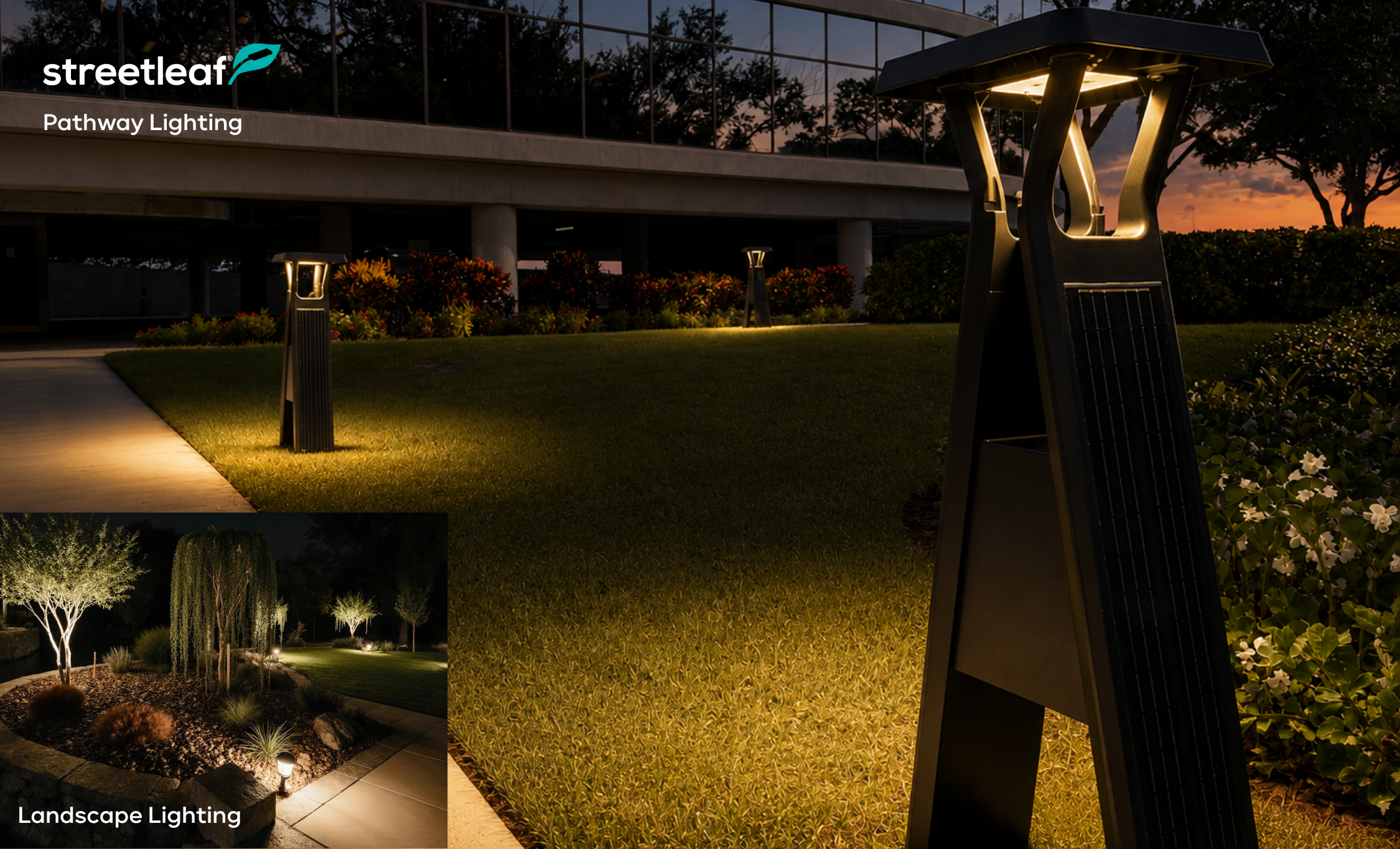
Delivering reliable pathway and public park lighting for Chicago Park District sites and suburban forest preserves, protecting urban wildlife with turtle-friendly ambient spectra.
3. Advanced Robotic Self-Cleaning Optical Systems
Industrial manufacturing areas and freight corridors surrounding Chicago (such as the Calumet Industrial Corridor and Elgin logistics centers) experience elevated levels of particulate accumulation, airborne road salt spray, and soot. Accumulated particulate film on solar panels can degrade photovoltaic output by up to 35% annually.
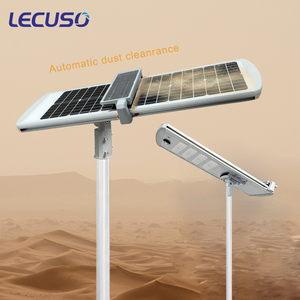
Our flagship Automatic Auto Clean Solar Street Light incorporates an integrated, dual-wiper robotic cleaning mechanism. Programmed via an internal microcontroller to cycle automatically twice daily, the hydrophobic brush sweeps away debris, frost, and dust without requiring manual bucket-truck maintenance crews—drastically lowering lifetime Operational Expenditure (OpEx) for municipal fleets.

Chicago Regional Regulatory Alignment & Sustainability Standards
Procuring off-grid solar equipment in Illinois requires adherence to strict energy codes, structural wind resistance guidelines, and environmental directives:
- Illinois Climate and Equitable Jobs Act (CEJA) Compliance: Transitioning public and private infrastructure to 100% off-grid solar luminaires directly supports municipal decarbonization targets set by the State of Illinois. Solar lighting eliminates 100% of Scope 2 indirect energy emissions associated with fossil-fuel-generated grid power.
- Dark-Sky International Certification & Optics: Light pollution abatement is crucial for Chicagoland suburban developments and ecological corridors along Lake Michigan. Our luminaires utilize full-cutoff Type II, III, and V optical lenses engineered to eliminate skyglow and light trespass into adjacent residential properties.
- AASHTO & Structural Integrity: Structural wind load compliance is paramount in Chicago. Our heavy-duty aluminum alloy (6063-T6) and hot-dip galvanized steel pole assemblies are engineered according to AASHTO (American Association of State Highway and Transportation Officials) standards, rated for sustained 140 mph wind gusts with heavy ice loading factors.
4. Intelligent Motion Sensing & Remote IoT Telemetry
To maximize energy preservation during Chicago’s longest winter nights (up to 15 hours of darkness in December), our systems integrate ultra-responsive Microwave Motion Radar sensors alongside optional 4G/LoRaWAN IoT cloud connectivity.
When zero movement is detected, luminaires drop to an eco-mode dimming profile (e.g., 30% baseline output). Upon detecting vehicular or pedestrian approach within a 12-meter radius, the system ramps to 100% full lumen intensity instantaneously. Facility administrators across Chicagoland can remotely monitor battery state-of-charge (SoC), operational status, and automated maintenance alerts via a centralized cloud dashboard.
Direct Factory Manufacturing Strengths & OEM/ODM Supply Chain
As a vertically integrated solar street light manufacturer serving global clients and regional distributors in North America, we provide distinct engineering and supply chain advantages:
- In-House Surface Mount Technology (SMT): We manufacture custom LED boards utilizing high-efficacy chips delivering up to 220 lumens per watt, maximizing brightness while reducing total energy draw.
- Rigorous Environmental Chamber Testing: 100% of luminaire batches undergo rigorous thermal shock testing (-40°C to +85°C), IP66 waterproof submersion testing, and salt-spray corrosion resistance validation before export shipping.
- Zero Upfront Cost Financial Agreement Models: For qualifies commercial developers, HOAs, and municipalities serving Chicago, we offer flexible Lighting-as-a-Service (LaaS) financial structures—eliminating initial capital expenditures (CapEx) in favor of predictable, low monthly operational agreements that include full maintenance.