
Fully integrated & split-type solar lighting architectures custom-engineered for high thermal stability, Harmattan dust resilience, and zero grid dependency in Nigeria.
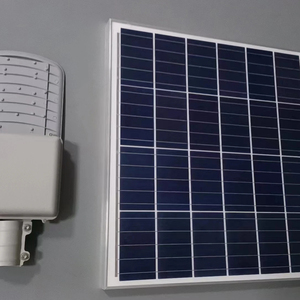
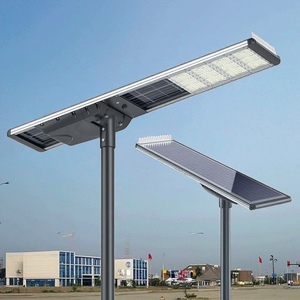
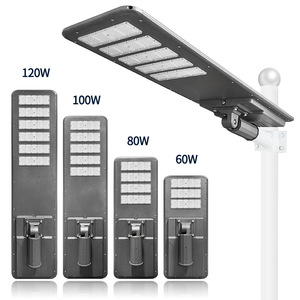
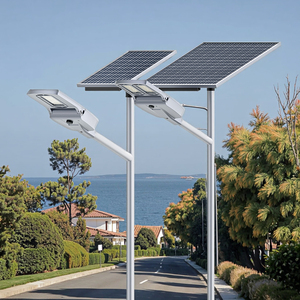
Across Nigeria’s rapidly expanding urban centers like Lagos, Abuja, Port Harcourt, and Kano, reliable public outdoor illumination is a cornerstone of economic productivity, public safety, and modern infrastructure development. However, municipal authorities, commercial real estate developers, and industrial site operators face chronic systemic challenges: severe electrical grid instability, frequent blackout cycles, exorbitant diesel generator fuel costs, and cable theft that paralyzes conventional grid-connected streetlights.
As a premier original equipment manufacturer (OEM) and direct factory supplier of commercial solar streetlights, our engineering division has designed custom-tailored off-grid lighting architectures specifically engineered for sub-Saharan West Africa. By pairing high-efficiency monocrystalline solar panels with ultra-high lumen LED chips (yielding up to 210–230 lumens per watt) and military-grade Lithium Iron Phosphate (LiFePO4) energy storage, our systems guarantee uninterrupted 365-night illumination—completely decoupled from the unstable electrical grid.
Deploying conventional grid-tied streetlights in Nigerian municipalities requires massive capital expenditure in underground armored copper cabling, step-down transformers, and heavy-duty switchgear. Furthermore, with diesel prices hovering at elevated levels, powering perimeter lights or highway lighting with centralized diesel gensets costs upwards of $0.45 to $0.60 per kilowatt-hour (kWh).
By contrast, investing in high-lumen factory-direct solar streetlights reduces the total cost of ownership (TCO) by over 72% across a 5-year lifecycle. Elimination of trenching, cable laying, and ongoing monthly utility or diesel bills means projects achieve complete financial payback within 12 to 18 months of commissioning.
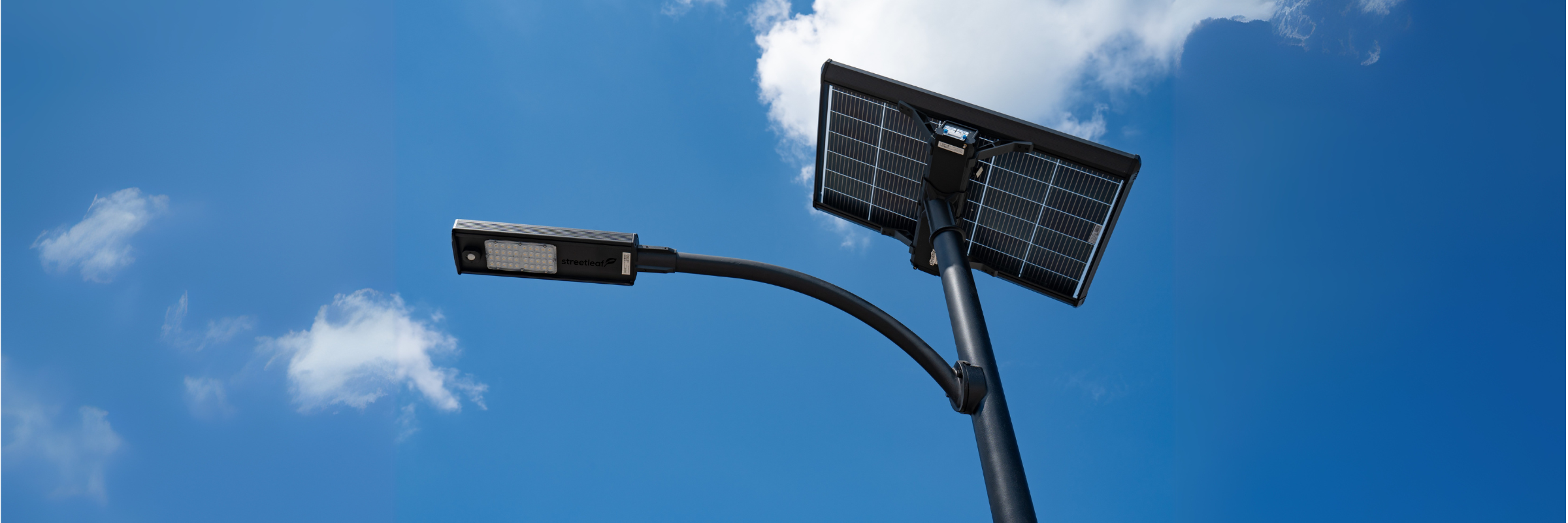
Standard off-the-shelf solar lights fail in Africa due to extreme tropical heat, Harmattan dust buildup, and coastal salt-spray corrosion. Our factory-grade fixtures incorporate purpose-built engineering safeguards.
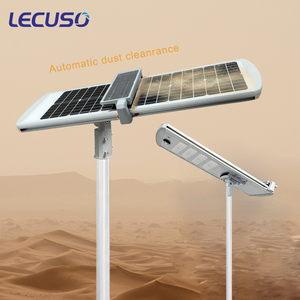
During the dry Harmattan season (November to March), fine silica dust covers solar panels, reducing photovoltaic efficiency by up to 60%. Our patented self-cleaning solar streetlights utilize an integrated automatic robotic wiper system that cleans the glass panel twice daily, maintaining 99.5% PV peak power harvest without manual labor.
Extreme ambient temperatures in Northern Nigerian cities like Maiduguri, Sokoto, and Kano cause standard ternary lithium batteries to degrade rapidly or overheat. We utilize automotive-grade Grade A LiFePO4 cells paired with dual thermal heat sinks and smart BMS thermal runaway protection, delivering 6,000+ deep cycles even under 65°C internal enclosure heat.
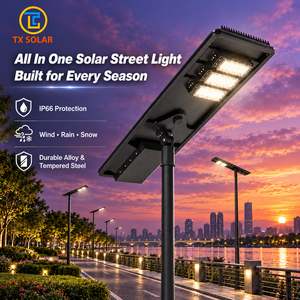
Copper cable and battery theft are major causes of public lighting failure in West Africa. Our All-in-One and All-in-Two designs integrate the battery pack, MPPT controller, and LED engine inside a high-tensile die-cast aluminum housing mounted high on anti-climb poles secured with tamper-proof security bolts.
Our intelligent Maximum Power Point Tracking (MPPT) controllers achieve 98.5% charging conversion efficiency. Embedded 4G/LoRa IoT modules allow municipal engineers in Lagos or Abuja to remotely monitor battery health, dimming schedules, light status, and automated fault alerts from a centralized desktop dashboard.
Incorporating double-sided glass-glass bifacial solar modules allows our fixtures to harvest additional ambient light reflected from sandy or concrete ground surfaces (adding 15%–30% energy output). Precision engineered Type II / Type III batwing optical lenses distribute glare-free, uniform light across wider 4-lane carriage roads.
Engineering evaluation comparing factory-direct high-lumen solar streetlights against traditional grid/diesel powered street lighting infrastructure in West Africa.
| Performance Metrics | High Lumen Solar Streetlight (Our Factory) | Conventional Grid LED Lighting | Diesel Generator Powered System |
|---|---|---|---|
| Luminous Efficacy | 210 - 230 lm/W (Philips/Bridgelux Chips) | 110 - 130 lm/W | 100 - 120 lm/W |
| Grid & Cable Dependency | 0% Off-Grid (100% Solar Self-Sustained) | 100% Grid Dependent (Prone to Blackouts) | Requires Localized Gensets & Fuel Storage |
| Trenching & Cabling Cost | $0 / Zero Cabling Required | High ($15,000–$25,000 per km cabling) | High ($12,000–$20,000 per km cabling) |
| Operating Expense (OPEX) | Near Zero (Routine cleaning only) | High (Monthly Disco Tariff Bills) | Extremely High (Daily Diesel Fuel + Servicing) |
| Harmattan Dust Resistance | Robotic Auto-Wiper Self Clean (Optional) | N/A | Manual cleaning required |
| Rainy Season Autonomy | 5 to 7 Continuous Rainy Days (Smart MPPT) | Zero power during grid collapse | Dependent on fuel logistics supply chain |
| Lifespan & Warranty | 10-Year PV / 5-Year Full Warranty | 2-3 Years average driver lifespan | 3-5 Years engine overhaul life |
From commercial hubs in Lagos State to off-grid agricultural communities in Northern Nigeria, our factory delivers tailored optical configurations for every sector.

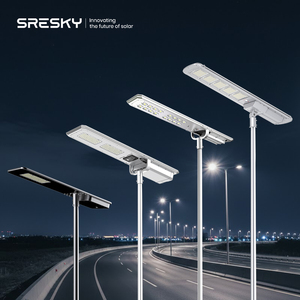
Major thoroughfares such as the Lekki-Epe Expressway, Lagos-Ibadan Expressway, and Abuja Ring Roads demand high-wattage (100W–200W) fixtures delivering 18,000 to 36,000 lumens. Our split-type and all-in-two solar streetlights utilize specialized Type II-M optics designed for 4-to-6 lane highways, providing wide pole spacing (35m–45m apart) while adhering to international road safety illuminance standards (Class M1/M2).
Request Highway Lighting SpecificationsGated developments across Lekki Phase 1, Ikoyi, Banana Island, Victoria Island, and Abuja Phase 2 require aesthetically refined, reliable illumination that enhances property values. Our Integrated All-in-One solar streetlights blend sleek architectural housing with microwave motion sensors that automatically dim to 30% brightness during low-footfall midnight hours, extending battery autonomy through prolonged overcast periods.
Consult for Estate Projects
In manufacturing hubs like Agbara Industrial Estate, Ogun Guangdong FTZ, and Lekki Free Zone, 24/7 security lighting is essential. Our heavy-duty industrial lights feature anti-vandal IK10 glass, IP66 waterproof seals, and continuous high-lumen illumination to safeguard loading docks, warehouses, and perimeter fencing.
Coastal environments in Rivers State, Delta State, and Akwa Ibom present high humidity and saline air that corrodes standard steel fixtures. We build our coastal-grade solar streetlights with anodized 6063 aviation aluminum housings and marine-grade stainless steel hardware (SUS316), tested to survive 2,000-hour salt spray endurance tests.
For rural infrastructure projects funded by state governments, the World Bank, or the REA (Rural Electrification Agency), our robust off-grid solar streetlights bring immediate public lighting to remote villages without requiring grid expansion, fostering rural commerce and community safety after dark.
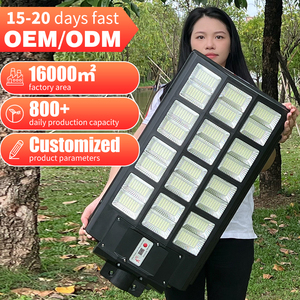
As a tier-1 solar streetlight manufacturer, we supply Nigerian solar distributors, engineering contractors (EPCs), and government contractors with direct wholesale pricing and fully custom OEM/ODM production.
Modify panel wattage, battery capacity (Ah), LED chip selection (Bridgelux/Lumileds), CCT color temperatures (3000K–6500K), and specialized logo laser etching on fixture bodies for local tenders.
Every luminaire undergoes automated aging tests, IP68 waterproof immersion chambers, thermal shock tests (-40°C to 80°C), and integrating sphere photometric lumen validation before container dispatch.
We provide complete bid support for Nigerian tenders including IES photometric files, Dialux lighting calculations, CE, RoHS, ISO, IP66, and SONCAP certification paperwork for seamless customs clearance.
The West African solar lighting market is undergoing a rapid technological evolution. Historical procurement focused primarily on initial purchase cost, resulting in the widespread deployment of low-grade lead-acid solar lights that failed within 6 to 12 months. Today, discerning Nigerian procurement officers and private developers prioritize Levelized Cost of Light (LCOL) and long-term asset reliability.
Expert answers to common questions regarding high-lumen solar streetlight sourcing, installation, and performance in Nigeria.
Get direct factory pricing, comprehensive technical datasheets, IES optical files, and customized OEM quotations for your commercial, real estate, or municipal lighting tenders in Nigeria.