
Engineered for Extreme Microclimates, Rainy Season Resilience, and High Coastal Wind Dynamics
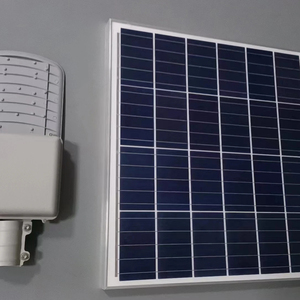
Heavy-duty modular architecture featuring adjustable monocrystalline PV orientation, isolated LiFePO4 thermal bay, and smart MPPT controller.
Send an Inquiry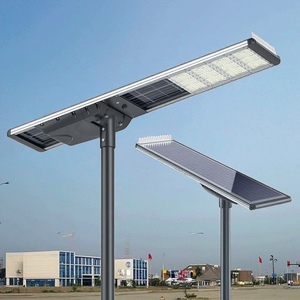
High-lumen municipal grade LED luminaire with galvanized steel pole integration, 190 lm/W efficiency, and storm-resistant housing.
Send an Inquiry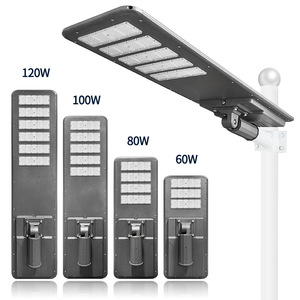
Ultra-bright optics tailored for multi-lane rural highways, municipal arterial roads, and logistics centers requiring zero grid dependencies.
Send an Inquiry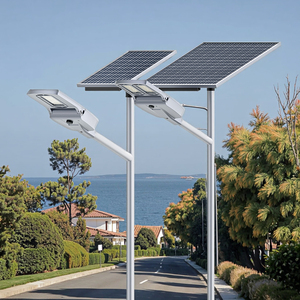
Split-configuration luminaire engineered for extreme tropical downpours, offering IoT remote monitoring and customized radar dimming.
Send an Inquiry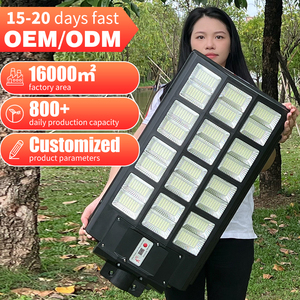
Compact high-efficiency casting featuring 360-degree light distribution, rapid slip-fitter installation, and zero maintenance design.
Send an Inquiry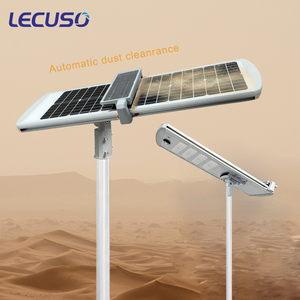
Robotic dual-brush mechanism removes dust, sand, and bird droppings automatically, maintaining peak PV output in arid regions.
Send an Inquiry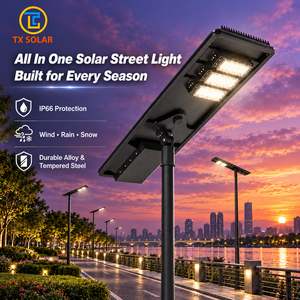
Fully customizable optics and battery backup capacities tailored for large commercial real estate, logistics hubs, and industrial yards.
Send an Inquiry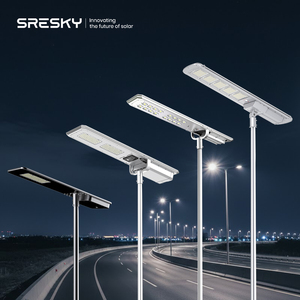
Die-cast aluminum chassis with ALS2.4 core technology, ensuring 7-10 continuous rainy day autonomy under heavy cloud cover.
Send an InquiryBrazil represents one of the world's most complex microclimatic and electrical grid environments. Spanning from the equatorial humidity of the Amazon basin to the hurricane-grade wind currents along the Northeastern coastline (Ceará, Rio Grande do Norte, Bahia) and the heavy rainfall belts of the Southeast (São Paulo, Minas Gerais), outdoor public lighting infrastructure faces extreme operational stress. Traditional solar streetlights, while highly effective in areas with uninterrupted daily solar irradiance, often encounter severe energy deficits during Brazil’s extended rainy seasons (Estação Chuvosa), which can drop solar capture efficiency by up to 65% for consecutive weeks.
As a leading Hybrid Wind Solar Streetlights Manufacturer & Factory servicing Brazil, our engineering division has designed dual-harvest off-grid luminaires that solve this critical shortfall. By integrating aerodynamically optimized Vertical Axis Wind Turbines (VAWT) or low-threshold Horizontal Axis Wind Turbines (HAWT) with high-efficiency TOPCon/PERC solar panels, our hybrid systems capitalize on a fundamental meteorologic synergy: when weather fronts bring cloud cover and heavy rains, barometric pressure differentials simultaneously generate elevated ambient wind speeds. This inverse correlation guarantees continuous battery replenishment, maintaining 100% illumination uptime regardless of seasonal weather shifts.
Solar PV panels generate peak power during high-solar irradiance hours (10:00 - 15:00). Conversely, coastal trade winds and thermal convective currents across Brazil peak during early evening and night hours (18:00 - 05:00). Hybrid wind-solar streetlights harvest energy 24 hours a day, reducing required battery storage footprint by 35% while extending overall system autonomy.
Every hybrid streetlight exported from our factory to Brazilian municipal and industrial projects undergoes rigorous component-level engineering designed to comply with INMETRO standards and withstand severe tropical weather.
Our Brazilian series utilizes vertical-axis helix maglev turbines constructed from lightweight, high-tensile carbon-fiber composite materials. Unlike traditional wind turbines, our VAWT units feature:
We deploy Grade-A N-Type TOPCon or Bifacial Monocrystalline silicon panels exhibiting cell conversion efficiencies exceeding 23.5%. The glass top sheet features an anti-reflective nano-hydrophobic coating that leverages rain showers to automatically wash away accumulated soot, dust, and organic matter typical of Brazilian agricultural and mining transportation routes.
The neural center of our hybrid streetlight is the proprietary Smart MPPT (Maximum Power Point Tracking) dual controller. It operates with a tracking efficiency of 99.8%, independently balancing varying DC voltage inputs from both the wind generator and solar module array simultaneously.
Ambient temperatures in northern and central Brazil often exceed 40°C during the day. Our deep-cycle Lithium Iron Phosphate (LiFePO4) battery packs are housed inside die-cast aluminum heat-dissipating battery chambers equipped with phase-change thermal insulation layers. This prevents battery overheating during charging cycles and maintains a battery operational life of over 4,000 cycles at 80% Depth of Discharge (DoD)—equivalent to 10-12 years of maintenance-free service.
To assist Brazilian infrastructure procurement committees, land developers, and EPC contractors in calculating Total Cost of Ownership (TCO), the matrix below details operational metrics under typical Brazilian environmental conditions:
| Performance Metrics | Hybrid Wind-Solar System | Solar-Only Streetlight | Grid-Connected LED Light |
|---|---|---|---|
| Rainy Season Autonomy | 7 to 14 Days (Continuous) | 2 to 4 Days Maximum | 0 Days (Subject to Grid Outages) |
| Daily Energy Harvesting Window | Up to 24 Hours / Day | 4 to 6 Peak Sun Hours | N/A (Consumes Grid Power) |
| Trenching & Cabling Cost | $0 (100% Off-Grid) | $0 (100% Off-Grid) | $45 - $90 per meter in Brazil |
| Monthly Electricity Bill | R$ 0.00 | R$ 0.00 | High Tariffs (Flag Rates Applies) |
| Coastal Salt Spray Protection | C5-M Heavy Anti-Corrosion | Standard Anodization | Variable / High Maintenance |
| Estimated System Lifespan | 10 to 15 Years | 5 to 8 Years | 10+ Years (Poles/Luminaires) |
As an experienced direct-factory manufacturer exporting to Latin America, we customize structural wind loads, optical beam angles, and battery capacities to match regional Brazilian engineering demands.
Stretching along thousands of kilometers of Atlantic coastline, highway corridors like the BR-101 experience high humidity, constant salt-laden breezes, and severe rain squalls. Our luminaires are treated with 1000-hour salt-spray tested C5-M fluorocarbon powder coatings and IP68 sealed battery enclosures to resist corrosive marine oxidation in ports such as Santos, Paranaguá, and Suape.
In isolated regions across Amazonas, Pará, and Amapá, grid extension costs often exceed $50,000 per kilometer due to dense jungle terrain and river crossings. Installing autonomous hybrid wind-solar streetlights provides immediate public lighting for remote communities, indigenous reserves, and river logistics docks without grid infrastructure.
Heavy mining corridors in Minas Gerais and sprawling agricultural complexes in Mato Grosso require reliable perimeter lighting to deter theft and secure transport hubs. Dust-proof IP66 structures equipped with self-cleaning brush mechanisms maintain continuous operational integrity amid dense red-dirt road particulate.
Modern luxury gated communities and municipal urban parks in cities like Curitiba, Campinas, and Florianópolis prioritize eco-friendly design and zero noise pollution. Silent vertical-axis hybrid streetlights provide high-aesthetic street illumination while eliminating monthly municipal energy taxes (CIP/COSIP).
As a specialized manufacturer with over 15 years of solar and wind outdoor lighting production, we eliminate middleman markups while providing full engineering customization tailored to Brazilian import standards.
Our complete product line complies with international electrical and safety standards including ISO9001, ISO14001, CE, RoHS, IP68 waterproofing, and IK10 impact resistance testing. We supply full factory test reports and technical dossiers required by Brazilian importers to clear INMETRO and SECEX regulatory compliance quickly.
We do not supply off-the-shelf guesswork. Our internal engineering department provides Brazilian municipal partners and developers with free DIALux photometric calculations based on specific roadway geometry (pole height, distance between poles, lane width, and required IESNA/ABNT NBR 5101 lighting classes). We optimize optical lens distribution (Type II, Type III, or Type IV) to maximize uniformity and eliminate dark spots.
We work closely with Brazilian customs brokers to help clients leverage Ex-Tarifário tax reductions where applicable for green tech capital goods, significantly lowering import duty (II/IPI) costs at major entry ports like Santos, Vitoria, and Paranaguá.