
Manufactured under strict ISO/IEC compliance for extreme desert environments, coastal corrosion protection, and urban infrastructure throughout North Africa.
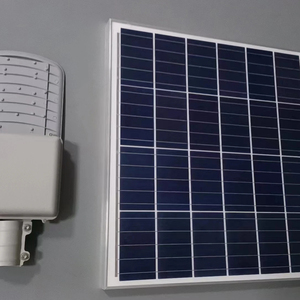
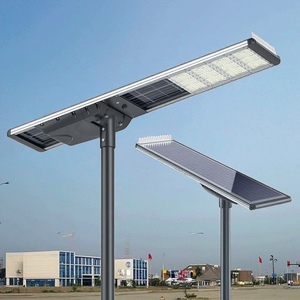
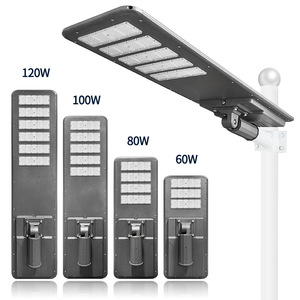
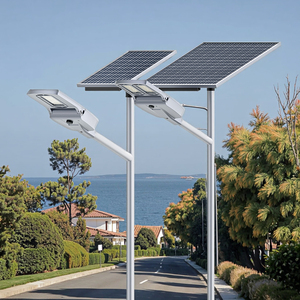
Egypt stands at the epicenter of North Africa’s renewable transition. Driven by ambitious infrastructure initiatives such as the Egypt Vision 2030 national development agenda, the expansion of the New Administrative Capital (NAC), and extensive urban expansion across desert corridors, the demand for off-grid lighting has transformed from basic illumination to high-performance, storm-resilient engineering. Modern lighting infrastructure in Egypt must contend with unique environmental factors: sustained ambient temperatures exceeding 45°C to 50°C during peak summer months, extreme diurnal temperature swings, high relative humidity along the Mediterranean and Red Sea coastlines, and severe airborne particulate deposition caused by seasonal Khamsin sandstorms.
As a leading tier-1 integrated solar lighting manufacturer and factory enterprise, our systems are engineered specifically to address these geographic and climatic variables. Conventional grid-tied streetlights incur massive capital expenditures in civil trenching, copper wiring theft risk, and high electricity costs. Standard solar lighting, conversely, frequently fails in desert markets due to rapid battery thermal degradation, heavy dust attenuation on PV modules, and inadequate housing seals. Our specialized product matrix overcomes these engineering hurdles by merging advanced MPPT charge controllers, thermally insulated LiFePO4 battery enclosures, bifacial solar panels, and automated robotic cleaning mechanisms into rugged, long-life luminaires.
Patented multi-layer heat shields keep internal LiFePO4 battery operating temperatures 15°C below ambient desert heat.
Optimized for Egypt’s high Global Horizontal Irradiance (2,000 to 3,200 kWh/m²/year), ensuring maximum battery charge kinetics.
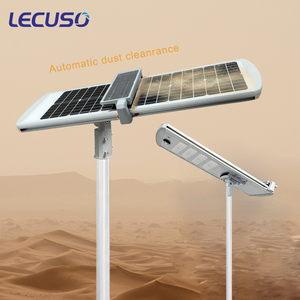
Integrated automatic dual-brush systems wipe particulate dust twice daily, preventing up to 60% PV power degradation loss.
Deploying solar streetlights in regions like Upper Egypt (Aswan, Luxor) or the Western Desert requires structural and electronic modifications that go far beyond commercial off-the-shelf LED products. Our manufacturing facilities incorporate specialized design protocols engineered for high-stress operational environments.
The primary point of failure in low-grade solar lamps in Egypt is premature lithium battery breakdown due to thermal heat stress. Standard lithium-ion chemistries experience rapid capacity decay when exposed to cell temperatures exceeding 45°C. Our factory integrates premium grade-A Lithium Iron Phosphate (LiFePO4) cells housed inside aerogel-insulated aluminium chambers suspended within the lamp structure. This design isolates the battery from direct radiant solar exposure, maintaining deep cycle endurance over 4,000 continuous cycles at 80% Depth of Discharge (DoD), guaranteeing a 10-year design life.
In desert terrains, pale sand creates a natural reflective surface with high albedo values (0.35 to 0.45). Utilizing bifacial N-type TOPCon solar panel modules on our All-in-Two and integrated luminaires allows the system to absorb direct sunlight from the front glass and diffuse ground reflections from the rear panel. This secondary solar yield increases energy collection by 25% to 30%, keeping batteries fully charged even during overcast periods or sandstorms.
Particulate matter in Egyptian sandstorms often measures under 10 microns, easily penetrating standard IP65 fixtures and causing short circuits or thermal trapping. Our integrated solar street lights feature die-cast ADC12 aluminum housing sealed with automotive-grade fluorosilicone gaskets, achieving true IP68 ingress protection. For coastal applications along the Alexandria shoreline, Mediterranean highways, and Red Sea resorts (Ain Sokhna, Hurghada), luminaires receive an electrostatic fluorocarbon powder coating rated to ISO 12944 C5-M marine anti-corrosion standards.
| Technical Parameter | Standard Commercial Grade | Our Factory Spec (Egypt Market) | Performance Gain in Egypt |
|---|---|---|---|
| Battery Thermal Limit | 45°C Ambient Cut-off | 65°C Continuous (Aerogel Insulated) | Prevents Summer Thermal Shutdowns |
| Particulate Rating | IP65 Dust Restricted | IP68 Hermetically Sealed | Eliminates Sand Ingress & Internal Shorting |
| PV Module Yield | Monofacial (19.5% Efficacy) | Bifacial N-Type (23.8% Front + 30% Rear Gain) | 30% Faster Battery Replenishment |
| Optical Efficacy | 130 - 160 lm/W | 200 - 220 lm/W (Philips/Bridgelux Chips) | Lower Power Requirement per Lux Level |
| Dust Mitigation | Manual Cleaning Required | Motorized Auto-Clean System (Dual Brush) | Maintains 98% Optical Transmission |
The versatility of our integrated and split-type solar street lighting catalogue caters to diverse commercial, municipal, and mega-development projects currently underway across the Arab Republic of Egypt.
Smart-controlled 120W - 200W integrated luminaires featuring IoT remote monitoring protocols (Zigbee/LoRaWAN) for modern municipal central control.
High-power All-in-Two and split-type solar lamps equipped with Type III wide-angle optical lenses to maximize pole spacing and cut project CAPEX.
C5-M powder-coated residential courtyard and walkway lamps providing dark-sky compliant ambient lighting for hospitality developments in Sharm El-Sheikh & El Gouna.
In massive land reclamation zones like Toshka, East Owainat, and the New Delta, extending grid distribution lines over hundreds of kilometers is economically unfeasible. Our self-cleaning integrated solar lights operate entirely off-grid, illuminating agricultural access roads, processing facilities, and security perimeters. The automated cleaning wipers eliminate dust buildup from intensive agricultural activity and desert soil disruption without requiring manual labor maintenance crews.
Logistics hubs, dry ports, and heavy industrial facilities within the Suez Canal Economic Zone require 24/7 security lighting compliant with strict safety regulations. Integrated solar street lights with intelligent microwave motion sensors deliver 100% full lumen output during human or vehicle activity, dimming down to 30% baseline output during inactive periods to conserve energy reserves over extended 5-day continuous rainy or dust-cloud conditions.
The Egyptian market for solar lighting is evolving rapidly, shaped by regulatory shifts, economic realignment, and international sustainability directives.
With Egypt’s electricity tariffs adjusting toward cost-reflective models, municipal authorities and private developers are seeking ways to decouple outdoor public infrastructure costs from the national grid. Transitioning to integrated solar street lighting completely eliminates recurring utility bills for highway lighting and public parks, allowing municipalities to redirect operational expenditure toward high-priority civil initiatives.
Under the presidential initiative Hayah Karima, thousands of Egyptian villages across Upper Egypt and the Nile Delta are receiving modern infrastructure upgrades. Integrated solar streetlights serve as the premier solution for rural road electrification due to their rapid installation speed—taking less than 10 minutes per pole—requiring no heavy cable trenching, transformers, or grid connections.
Procurement for Egyptian government tenders and major private development contracts demands compliance with local and international quality benchmarks. Our production lines adhere strictly to guidelines specified by the New and Renewable Energy Authority (NREA) and the Egyptian Organization for Standardization & Quality (EOS). Key certifications include:
As a specialized manufacturer with scalable manufacturing facilities, we support Egyptian contractors, engineering procurement firms (EPCs), local distributors, and project developers with customized lighting solutions built to exact tender specifications.
Custom wattages, battery capacities, color temperatures (3000K-6500K), and laser-engraved corporate branding for Egyptian contractors.
Our engineering team provides comprehensive IES files and DIALux lighting calculations to optimize luxury pole spacing and lux compliance.
Established supply chain routes direct to Alexandria, Port Said, and Sokhna ports with full Acid (Nafeza) system registration for smooth Egyptian customs clearance.
Our production ecosystem utilizes automated SMT surface mount assembly lines, sphere integrating photometers, environmental aging test chambers, and dynamic vibration testing tables to guarantee zero-defect shipments. By working directly with our factory, Egyptian buyers eliminate middleman markups, gain direct access to engineering technical support, and receive competitive warranty coverage (up to 5 years standard complete system warranty).
Addressing the top operational, legal, and engineering inquiries from project managers, importers, and municipal engineers in Egypt.
Direct factory pricing, custom engineering, photometrics, and comprehensive warranty coverage. Speak with our technical team today to request a detailed tender quotation or product samples.
Get a Quote