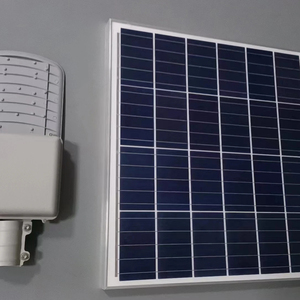

Tier-1 Grade LiFePO4 Integrated & Split Solar Streetlights Manufactured to Withstand -40°C Temperatures and High Steppe Wind Loads.
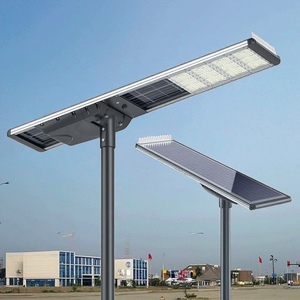
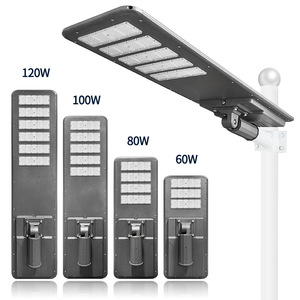
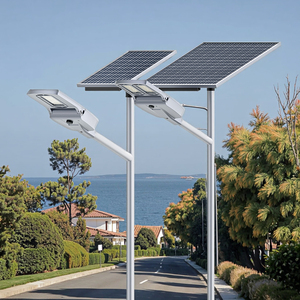
As Central Asia’s premier economic engine, Kazakhstan presents an extraordinary geographical footprint spanning over 2.7 million square kilometers. From the frost-laden northern steppes of Astana to the high-altitude industrial corridors of Almaty and the arid oil-rich basins of Atyrau, outdoor infrastructure projects demand severe weather resiliency. Traditional municipal grid extensions across Kazakhstan often face astronomical capital expenditure ($35,000 to $60,000 per kilometer) due to vast distances and challenging permafrost soil dynamics during long winter months.
This technical white paper outlines how direct-manufacturer B2B partnerships with specialized LiFePO4 battery solar lighting factories and exporters provide high-efficiency, zero-grid infrastructure. By leveraging advanced Lithium Iron Phosphate (LiFePO4) chemistry paired with thermal-regulated Battery Management Systems (BMS), bifacial solar harvesting, and automated self-cleaning mechanisms, industrial buyers and municipal authorities across Kazakhstan can achieve 100% off-grid reliability while lowering Total Cost of Ownership (TCO) by up to 64% over a 10-year operational lifecycle.
Information Gain Key Insight: Standard Lithium NCM (Nickel Cobalt Manganese) and Lead-Acid batteries suffer catastrophic capacity degradation (up to 70% loss) when ambient temperatures drop below -15°C in Northern Kazakhstan. Purpose-engineered industrial LiFePO4 cells configured with solid-state electric thermal blankets maintain 92% usable discharge capacity even under prolonged -40°C sub-zero conditions.
A Comparative Analysis of Electrochemical Performance in Sub-Zero Central Asian Climates
| Performance Metrics | Industrial Grade LiFePO4 (With Heating BMS) | Standard Lithium NCM Cell | Gel Sealed Lead-Acid (VRLA) |
|---|---|---|---|
| Cycle Life (80% Depth of Discharge) | 6,000 – 8,000 Cycles | 1,200 – 1,500 Cycles | 500 – 800 Cycles |
| Operable Temperature Range | -40°C to +65°C | -20°C to +55°C | -15°C to +45°C |
| Capacity Retention at -30°C | 88% – 92% (Heated) | 35% – 45% | 20% – 30% (Freeze Risk) |
| Energy Density (Wh/kg) | 160 – 180 Wh/kg | 200 – 240 Wh/kg | 30 – 40 Wh/kg |
| Thermal Runaway Safety | Extremely Stable (500°C Limit) | Moderate Risk (210°C Limit) | Hydrogen Gassing Risk |
| Maintenance Interval | 10+ Years Maintenance-Free | 3–5 Years Replacement | 2–3 Years Maintenance |
| EAC Certification Compliance | TR CU 004/2011 & TR CU 020/2011 | Varies By Manufacturer | Requires Frequent Recycling |
Our proprietary BMS monitors cell temperatures in real-time. Before charging commences during sub-zero daylight hours, a fraction of solar input energy is directed to internal polyimide thermal heating films, warming the LiFePO4 core safely above 0°C to eliminate lithium plating risks.
To combat low winter sun angles and heavy snow coverage in Kazakhstan, our luminaires incorporate N-Type TOPCon bifacial solar panels. Rear-side albedo capture absorbs reflected light from snow-covered ground, boosting power yield by up to 28%.
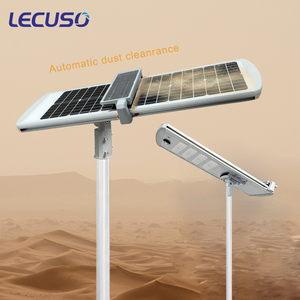
Kazakhstan’s southern regions experience intense spring sandstorms, while northern regions endure heavy snowfall. Automated brush units execute dual daily cleaning cycles, maintaining panel transparency and eliminating manual maintenance overhead.
Tailored Technical Configurations for Municipal, Commercial, and Resource Sector Projects
Primary Locations: Astana-Almaty (A-3), Shymkent Arterials
Continuous off-grid lighting along heavy transit corridors. Utilizing 100W-200W split-type industrial luminaires mounted on 10m–12m hot-dip galvanized steel poles with underground thermally insulated LiFePO4 battery vaults to guarantee zero illumination failure during 16-hour winter nights.
Primary Locations: Tengiz, Karachaganak, Mangystau
Remote extraction zones require rugged, explosion-resistant lighting hardware that operate entirely independent of localized diesel gensets. Flame-retardant aluminium alloy casings combined with IP68 rated connectors resist corrosive atmospheric gases and dust storm abrasion.
Primary Locations: Khorgos Gateway, Aktau Port Container Depots
High-lumen security perimeter illumination with microwave motion sensing integration. Lights operate at 30% baseline output during inactive night hours and ramp to 100% (up to 32,000 lumens) instantaneously upon vehicle or movement detection, optimizing energy storage.
In accordance with the Concept for the Transition of the Republic of Kazakhstan to a 'Green Economy' and the nation's targeted 2060 Carbon Neutrality Strategy, municipal public works departments and state-owned enterprises are under increasing legislative pressure to eliminate fossil-fuel utility consumption. Street lighting represents up to 40% of total municipal electricity expenditures in regional administrative centers (Oblasts).
Factories exporting solar street lighting systems into Kazakhstan must strictly adhere to the technical regulations of the Eurasian Customs Union (EAEU). Our manufacturing facilities maintain full certification under:
Direct export from factories in China to commercial hubs in Kazakhstan (such as Almaty, Astana, and Shymkent) leverages direct rail lines via the Khorgos-Eastern Gate Dry Port and Horgos border crossing. This infrastructure guarantees expedited door-to-door or door-to-border freight transit within 7 to 12 days, drastically reducing supply chain delays compared to sea-land multimodal transport routes.
Why Engineering Consultants, B2B Importers, and EPC Contractors Rely on Our Solar Lighting Production Base
Our 45,000 m² manufacturing plant operates 12 automated SMT LED mounting lines and laser battery welding stations, producing over 35,000 solar lighting units monthly under ISO 9001 and ISO 14001 quality management protocols.
Every batch of LiFePO4 battery packs and smart controllers undergoes mandatory 48-hour thermal shock testing inside environmental chambers ranging from -45°C to +85°C prior to final factory assembly sign-off.
Structural integrity calculations performed via Finite Element Analysis (FEA) guarantee that our heavy-duty die-cast aluminum luminaires and mounting brackets withstand extreme winds up to 60 m/s (Category 5 rated storm performance).
Our technical engineering desk assists with Dialux lighting simulation studies, pole foundation wind calculations, and EAC documentation packages free of charge.
Get a Quote & Technical ConsultationClear Technical Answers regarding Imports, Harsh Weather Operations, and Logistics
Our export-grade solar streetlights engineered for Central Asia utilize integrated thermal-management BMS technology. During freeze periods, smart internal polyimide micro-heating layers warm the cell core to safe charging thresholds using early morning solar energy. Furthermore, for extreme installations in cities like Astana or Kostanay, we provide split-type systems equipped with double-insulated underground IP68 battery enclosures placed below the local frost line (1.5m depth), where ground temperatures remain stable year-round.
Importing solar lighting equipment into Kazakhstan requires compliance with EAEU technical standards. As a direct factory exporter, we provide a complete paperwork package including EAC Certificates of Conformity (TR CU 004/2011 and TR CU 020/2011), Commercial Invoices, Packing Lists formatted with precise HS Codes (e.g., 9405.40.9000 for LED luminaires), Certificate of Origin (Form A / CO), and Factory Quality Control Test Reports for fast customs clearance at Khorgos or Almaty border terminals.
We offer two primary overland shipping corridors:
1. China-Kazakhstan Direct Truck Freight: 7 to 10 days transit directly from factory loading docks to bonded warehouses in Almaty or Astana.
2. Yiwu/Urumqi - Khorgos Railway Transport: 10 to 14 days transit for bulk FCL (Full Container Load) municipal orders. We handle all export customs declaration processes at the border.
Our auto-cleaning series features an integrated robotic wiper powered by a brush-less motor. Programmable via remote control or IoT smart gateways, the brush traverses the tempered glass surface twice daily. This process sweeps away fine steppe sand, bird droppings, and fresh snow accumulation, preventing thermal hot-spots and preserving optimal 22% solar conversion efficiency.
While the initial hardware cost of a solar streetlight is slightly higher than an AC LED luminaire, off-grid systems eliminate cable trenching, step-down transformer sub-stations, and expensive grid connection permits. For rural and highway projects across Kazakhstan, payback is achieved within 14 to 18 months from installation, followed by 10+ years of zero monthly utility power bills.
Direct Factory Pricing • Complete EAC Customs Documentation • Engineered specifically for Kazakhstan's Extreme Cold & Wind Load Conditions.