
Engineered with high-yield N-Type bifacial solar panels, ultra-reliable LiFePO4 energy storage, and smart MPPT control systems designed for high-latitude Irish solar irradiances.
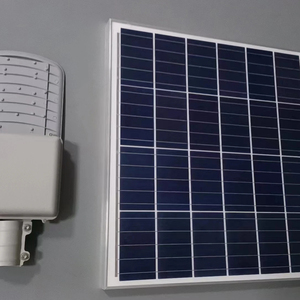
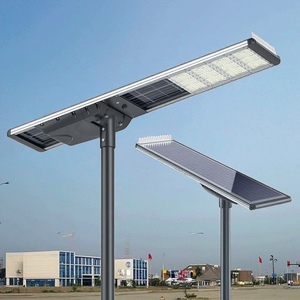
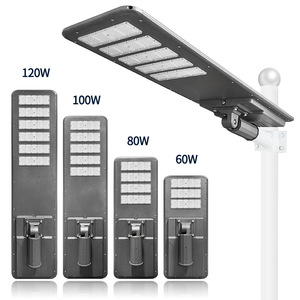
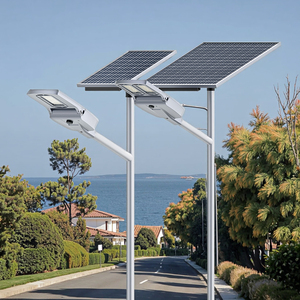
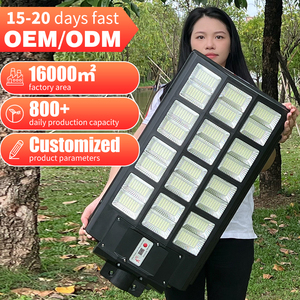
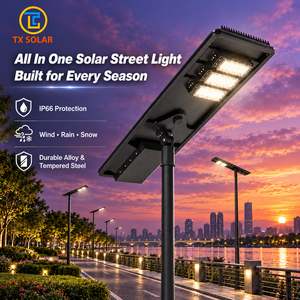
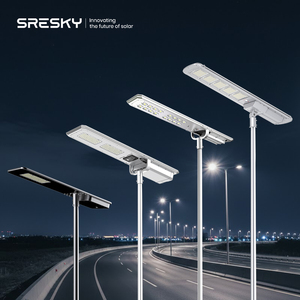
Overcoming low winter solar angles, prolonged overcast periods, and Atlantic gale forces through advanced photovoltaic engineering.
Exporting photovoltaic street lighting systems to Ireland demands a radical departure from standard solar configurations used in equatorial or Mediterranean markets. Situated between latitudes 51°N and 55°N, Ireland experiences significant seasonal variation in solar irradiance. During peak summer months, daily global horizontal irradiance (GHI) can exceed 5.5 kWh/m²/day, whereas in mid-winter (November through February), GHI plummets to less than 0.8–1.2 kWh/m²/day, coupled with solar elevation angles under 15 degrees in counties like Donegal and Antrim.
Standard off-the-shelf solar street lamps imported without high-latitude design adjustments fail in Ireland by mid-December due to severe battery undercharging. As a premier photovoltaic street lighting exporter serving the Ireland market, our engineering team designs systems featuring high-efficiency N-Type TOPCon bifacial solar panels combined with smart MPPT (Maximum Power Point Tracking) algorithms specifically calibrated for diffuse overcast radiation.
By capturing both direct sunlight and albedo light reflected from cloudy skies, moisture-laden road surfaces, and coastal ground cover, our bifacial modules deliver up to a 25% energy yield gain over traditional Monocrystalline PERC panels under typical Irish weather conditions.
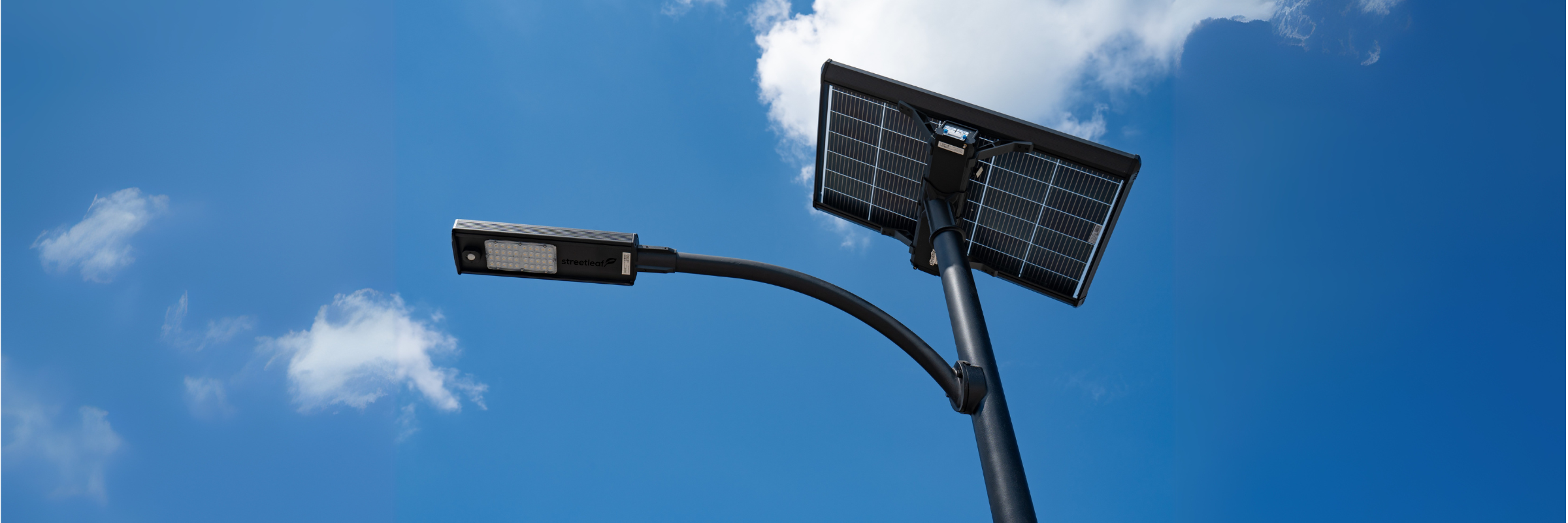
To withstand Ireland's consecutive overcast days ("dark winter stretches"), our systems maintain a PV-to-battery capacity ratio of 2.2:1. This guarantees complete battery replenishment during brief 3-hour solar windows in mid-winter.
Irish winter temperatures regularly drop below freezing. Our Lithium Iron Phosphate (LiFePO4) storage units feature dynamic BMS thermal throttling and integrated micro-heating layers to preserve 95%+ discharge efficiency down to -20°C.
Salt mist along coastal routes like the Wild Atlantic Way causes accelerated oxidation. Our luminaire housings are cast from low-copper aluminum alloy treated with a 100-micron C5-M marine polyurethane powder coat.
From municipal roads in Dublin to eco-sensitive coastal preserves in Kerry and Galway, our off-grid solar street lights solve critical infrastructure challenges.
Connecting small towns across Mayo, Cork, and Tipperary via grid extensions often incurs prohibitive fees from ESB Networks—frequently exceeding €25,000 per kilometer for trenching, cabling, and transformer installation. Our off-grid standalone solar streetlights install directly onto root-mounted steel poles without ground cabling, enabling local county councils to illuminate dangerous rural junctions within hours rather than months.
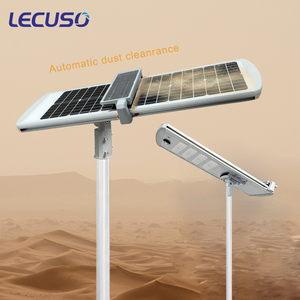
Coastal developments require street lighting solutions that balance tourist safety with extreme environmental resilience. Installed in exposed coastal towns such as Westport, Dingle, and Sligo, our IP66 waterproof and IK10 vandal-resistant photovoltaic luminaires feature automatic self-cleaning wiper mechanisms that wipe away accumulated salt spray crust and peat particles, ensuring continuous maximum solar absorption.
Ireland is home to internationally recognized dark-sky reserves, including the Kerry International Dark Sky Reserve and Mayo Dark Sky Park. To comply with local authority lighting guidelines, our customized commercial luminaires incorporate zero-upward-light optics (ULR = 0%), warm 2700K–3000K LED chips, and wildlife-friendly amber spectra that minimize nocturnal ecosystem disruption while satisfying EN 13201 lighting standards.
Commercial real estate projects around Dublin Airport, Shannon Free Zone, and Cork Harbor are accelerating corporate Net-Zero carbon targets. Integrating smart solar lighting into perimeter fences, employee parking areas, and internal access roads allows industrial developers to achieve BREEAM and LEED "Zero Carbon Infrastructure" credits, completely bypassing grid connection queues.
New housing developments across Greater Dublin, Kildare, and Meath leverage our $0 upfront financing and service agreement model. Private management companies avoid the high capital expense of grid infrastructure, taking advantage of automated microwave radar motion sensing that dims lights to 30% power during inactive late-night hours and instantly ramps to 100% upon pedestrian or vehicle detection.
As part of Ireland's Strategy for the Future Development of National Greenways, municipal authorities are transforming disused railway lines into pedestrian paths (e.g., Waterford Greenway). Our solar path lights provide off-grid illumination without disrupting pristine natural landscapes with deep trenches or heavy utility equipment during installation.

Public safety and nighttime visibility remain primary obligations for municipal councils and residential land developers across Ireland. However, skyrocketing municipal electricity tariffs have forced many local authorities to consider rolling dimming or premature shut-offs of traditional grid lighting.
Photovoltaic street lighting presents an ideal solution: 100% off-grid independence backed by high-capacity energy storage ensures zero ongoing electricity bills and complete immunity to power grid blackouts during violent Atlantic storms. By choosing an experienced photovoltaic street lighting exporter serving Ireland, local engineering contractors receive photometrically modeled lighting plans guaranteed to meet EN 13201 Class P1 to P6 requirements.
How national climate targets, grid bottlenecks, and statutory regulations are accelerating the adoption of off-grid solar infrastructure.
The Irish Government's legally binding Climate Action Plan commits the public sector to reduce overall greenhouse gas emissions by 51% by 2030 and achieve net-zero carbon operations by 2050. Street lighting accounts for approximately 15% to 35% of a local council’s total municipal electricity footprint. Transitioning from grid-tied high-pressure sodium (HPS) or conventional grid LEDs to self-sustaining solar street lighting directly reduces Scope 1 and Scope 2 carbon emissions without placing financial strain on local taxpayers.
Fast-paced residential housing construction and commercial park expansion across Ireland have placed immense pressure on the national electricity distribution network managed by ESB Networks. Substation connection delays for street lighting networks can stall project handover for 12 to 18 months. Off-grid photovoltaic streetlights bypass utility grid connection completely, permitting private developers and municipal contractors to commission fully operational public lighting on the exact day of pole installation.
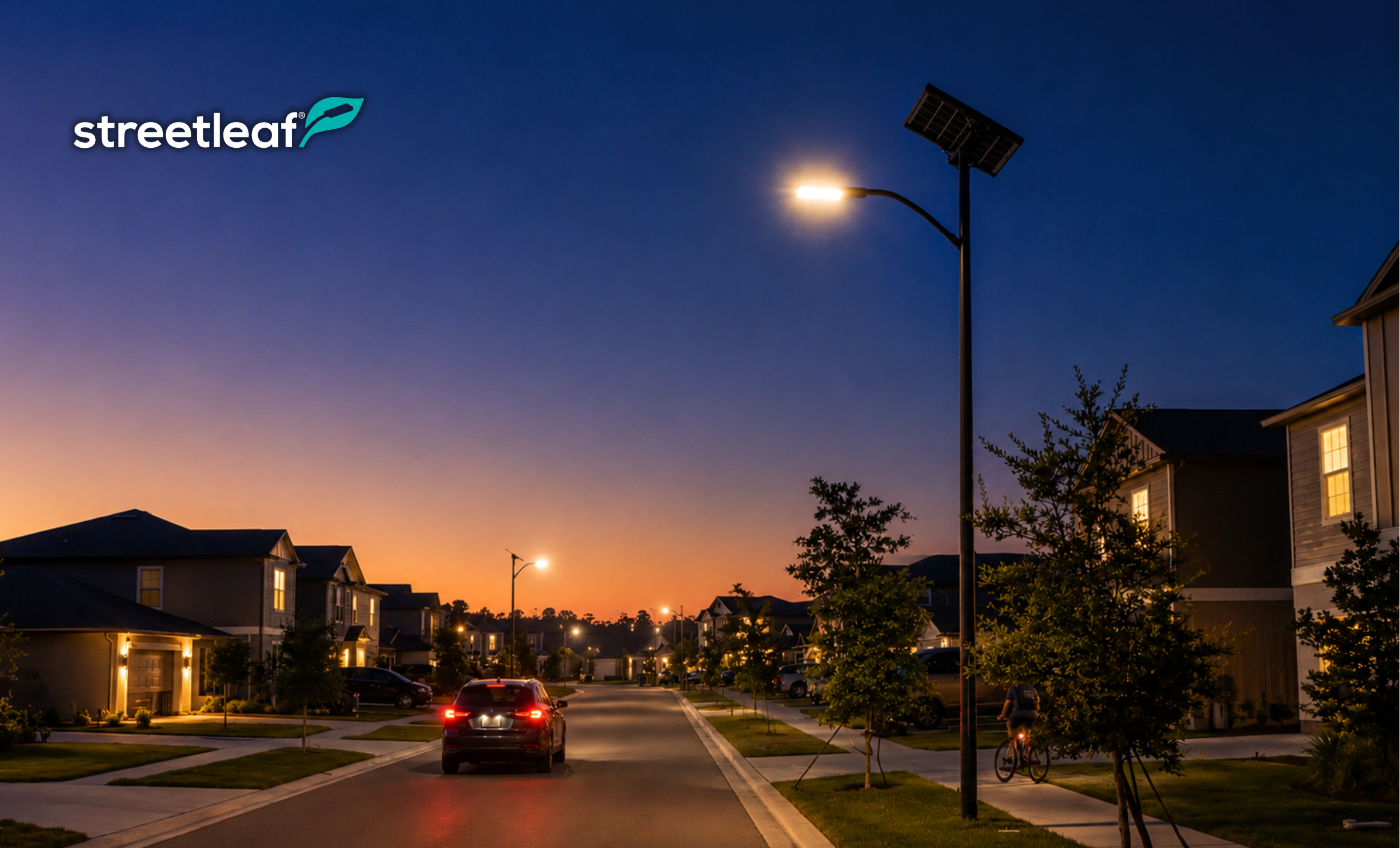
| Evaluation Criterion | Traditional Grid-Connected Street Lights | Our Off-Grid Photovoltaic Street Lights |
|---|---|---|
| Trenching & Cabling Expenses | High (€20 – €55 per linear meter in soil / pavement) | €0 (Zero ground trenching or conduit laying) |
| Utility Grid Connection Delay | 6 to 18 Months (ESB grid approval & hookup) | Immediate Commissioning upon pole erection |
| Grid Blackout & Storm Resilience | Vulnerable (Fails during grid outages & line downs) | 100% Operational with 5+ day LiFePO4 reserve |
| Ongoing Electricity Operating Cost | Variable (Exposed to volatile wholesale energy prices) | €0 (100% free solar energy harvesting) |
| Environmental Impact / Carbon Output | Indirect grid carbon footprint dependent on power mix | Zero operational carbon footprint (100% Green) |
| Maintenance & Asset Telematic Control | Manual dispatch or basic photocell monitoring | Smart IoT CMS (Remote cloud monitoring & control) |
Decades of international manufacturing excellence, strict quality assurance standards, and custom OEM/ODM engineering support.
Our manufacturing base operates under ISO 9001 (Quality), ISO 14001 (Environment), and ISO 45001 (Occupational Health) certifications. Every luminaire undergoes 100% automated optical testing, flash solar module profiling, and 48-hour burn-in aging prior to container dispatch.
We provide full DIALux lighting design simulations tailored to Irish National Standards (EN 13201 / NSAI). Our lighting engineers calculate precise lux levels, uniformity ratios (U0), and pole spacing recommendations for your specific road cross-section.
Our optional LoRaWAN and NB-IoT telemetry modules enable municipal asset managers in Dublin, Cork, or Galway to remotely monitor individual battery state-of-charge (SoC), set customized dimming schedules, receive fault alerts, and adjust lighting profiles via a web dashboard.
We work directly with Irish electrical wholesalers, lighting contractors, and local authorities. In addition to direct capital purchases, we support customized OEM housing branding, specified structural pole dimensions, and flexible project-based payment structures.
All products exported to Ireland carry complete CE certification, RoHS compliance test reports, IEC 61215 solar module ratings, IEC 62133 battery safety compliance, and IP66 / IK10 lab test certificates for straightforward municipal approval.
Designed for Atlantic storm exposure (Storm Barra, Storm Eunice), our structural steel mounting brackets, flange plates, and aerodynamically profiled luminaires are wind tunnel tested to survive velocity pressures up to 160 km/h (EN 1991-1-4).
Direct Exporter Advantage: By bypassing multiple layers of European distribution markups, we provide Irish infrastructure projects with premium componentry—including Philips Lumileds LED chips, Smart MPPT controllers, and CATL LiFePO4 cells—at highly competitive factory-direct pricing.
Technical and commercial clarity for civil contractors, local council engineers, and electrical distributors in Ireland.
Our solar streetlights engineered for Ireland incorporate oversized N-Type TOPCon bifacial solar panels and MPPT controllers optimized for low-light diffuse radiation. Combined with high-capacity LiFePO4 battery packs rated for 5 to 7 days of continuous autonomy without direct sun, the systems operate reliably throughout dark winter months in counties like Donegal, Mayo, and Antrim.
Yes. We engineer luminaires with precision batwing optics (Type II and Type III light distribution) specifically calibrated to meet EN 13201 performance standards for public lighting classes P1 through P6 and M3 through M5. We supply full IES/LDT photometric files for DIALux calculations to verify compliance before project installation.
Every luminaire housing is manufactured from die-cast aluminum treated with a C5-M marine-grade anti-corrosion powder coating. Hardware is constructed from 316 surgical stainless steel. Systems are structural wind-load certified up to 160 km/h in compliance with EN 1991-1-4 standards, making them suitable for coastal deployments along the Wild Atlantic Way.
Grid connection fees with ESB Networks, combined with ground trenching costs (often €30–€55 per linear meter), frequently exceed the entire hardware cost of an off-grid solar system. Most commercial and municipal projects in Ireland achieve full capital payback on Day 1 of installation by avoiding trenching costs, with additional savings realized through zero ongoing electricity bills.
Yes. We manufacture customized Dark-Sky compliant luminaires with zero upward light ratio (ULR = 0%), flat tempered glass lenses, and warm CCT options (2700K to 3000K or amber LED options). These configurations prevent light pollution, skyglow, and ecological disruption in sensitive habitats.
Standard solar lights in rural or coastal areas may accumulate dirt, salt mist residue, or peat dust, requiring periodic manual cleaning every 12 to 24 months. Our automatic self-cleaning models feature an integrated robotic wiper system that operates daily, maintaining optical efficiency above 98% with zero manual cleaning required for over 5 years.
Explore our latest technical publications on off-grid lighting resilience, municipal energy strategies, and environmental compliance.
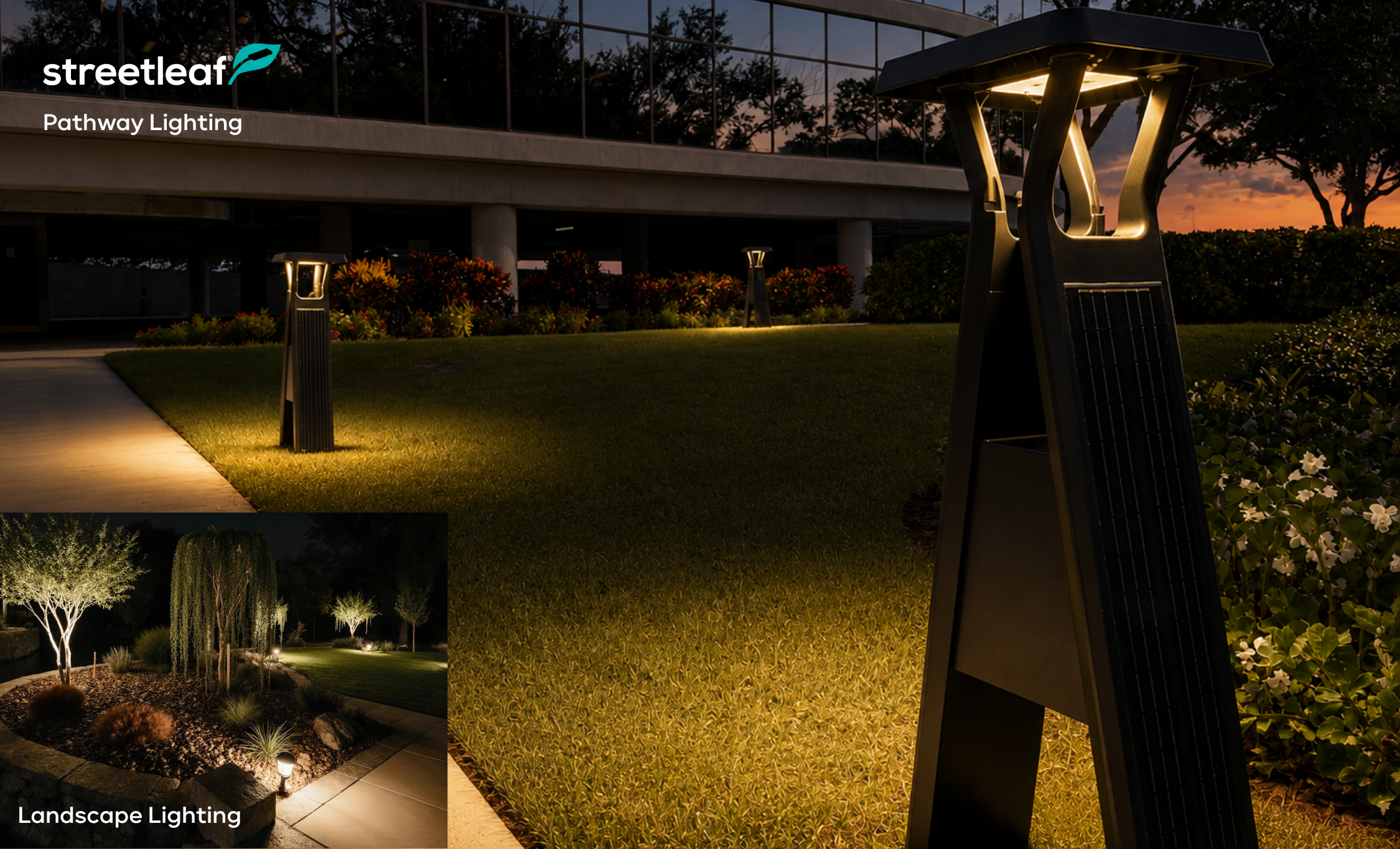
Understanding beam distribution profiles, glare cutoff angles, and photopic vs. scotopic vision metrics for outdoor pedestrian corridors.
Send an Inquiry
Mitigating ecological light pollution along Irish coastal ecosystems while preserving public safety and visual clarity.
Send an Inquiry
Evaluating carbon offset accounting, reduced operational maintenance, and capital savings under the Climate Action Plan.
Send an InquiryWhether you are designing a regional road lighting layout, specifying fixtures for a commercial development in Dublin, or seeking an established photovoltaic street lighting exporter for the Ireland market, our engineering team is ready to assist. Contact us today for complete DIALux simulations, customized quotations, and detailed technical specifications.