Explore our field-tested portfolio of integrated, split-type, and self-cleaning solar streetlights designed specifically to withstand the hyper-arid microclimates and sandstorm corridors of Iraq.
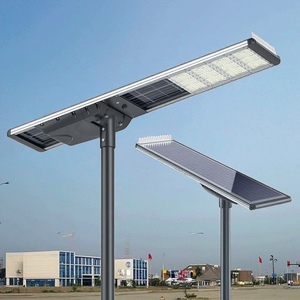
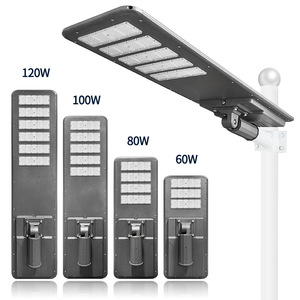
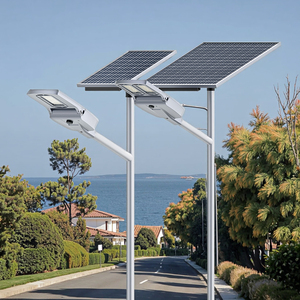
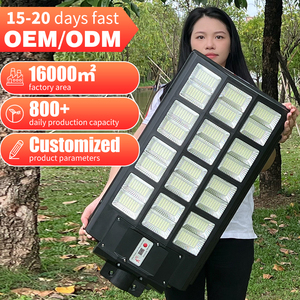
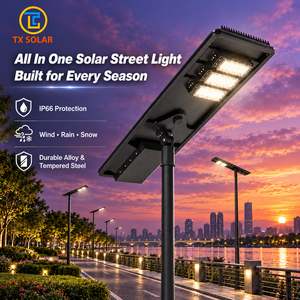
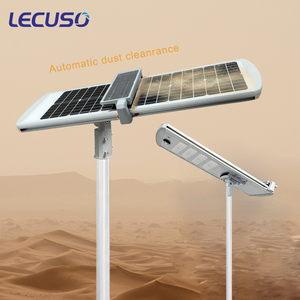
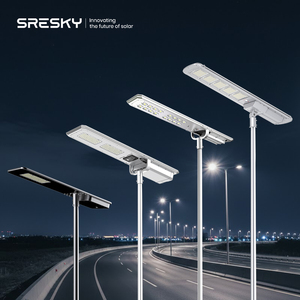
Iraq stands at a pivotal infrastructure nexus. With a rapidly growing population and accelerating rural development initiatives across governorates such as Al-Anbar, Basra, Dhi Qar, Nineveh, and the Kurdistan Region, the demand for reliable outdoor lighting has never been more acute. However, the legacy centralized electrical grid continues to suffer from severe structural deficits, seasonal load shedding, and substantial distribution bottlenecks. In remote agricultural feeder roads and decentralized rural townships, extending grid cabling requires astronomical capital expenditure—frequently exceeding $45,000 per linear kilometer—compounded by prolonged administrative delays.
In response, the Iraqi Ministry of Electricity alongside international reconstruction development partners has prioritized off-grid solar street lighting as the primary catalyst for rural security, economic activity, and traffic safety. By bypassing grid interconnections completely, municipal authorities and private EPC (Engineering, Procurement, and Construction) contractors can deploy resilient public lighting systems in a fraction of the traditional timeline.
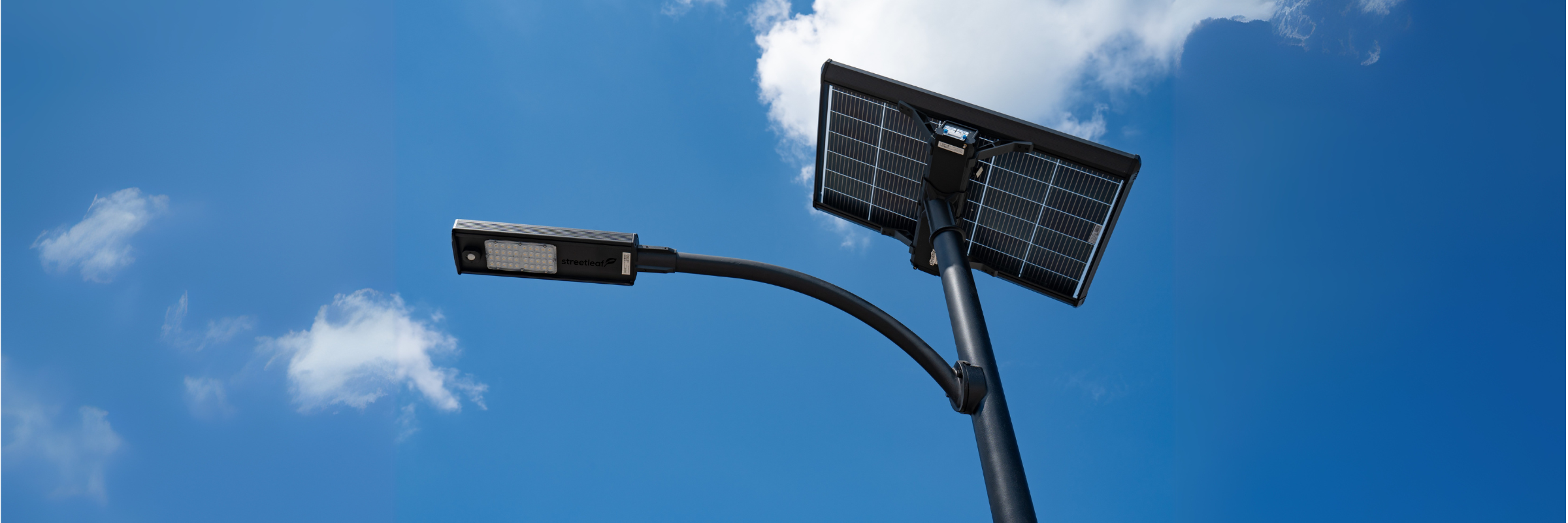
While Iraq boasts an exceptionally favorable Global Horizontal Irradiance (GHI) averaging between 1,950 to 2,250 kWh/m²/year, its environmental conditions present some of the world's harshest operating requirements for photovoltaic and energy storage hardware:
To guarantee long-term performance without failure, our original equipment manufacturing (OEM) and custom design processes align directly with the specific geographical and infrastructural demands of Iraqi rural zones.
Arterial routes like Highway 1 connecting Baghdad to Basra, or border corridors in Al-Anbar, require continuous high-lumen illumination to ensure freight safety and security checkpoint operations.
Solution Architecture: High-power Split-Type Solar Streetlights (100W-200W) equipped with auto-cleaning photovoltaic glass and elevated LiFePO4 battery enclosures mounted at 8–12 meters.
Agricultural communities throughout Diyala and the Euphrates River basin require lighting to facilitate nocturnal produce transportation and expand local commerce after dark.
Solution Architecture: All-in-Two & All-in-One Solar Streetlights (40W-80W) featuring Microwave Radar Sensors. The lights maintain a 30% ambient profile until vehicle or pedestrian movement triggers 100% full brightness.
In urban fringes and recovering rural towns across Nineveh (Mosul region) and Ramadi, rapid infrastructure restoration is critical for civic normalization.
Solution Architecture: Heavy-duty Integrated Solar LED Luminaires mounted on pre-existing utility poles or quick-foundation steel poles, requiring zero trenching and enabling single-day installation per kilometer.
Procurement officers and municipal engineers in Iraq must avoid purchasing standard commercial-grade solar lights intended for temperate zones. Below is a comparative technical matrix illustrating how our OEM factory specs are engineered specifically for Middle Eastern desert environments.
| System Component | Standard Commercial Grade (Temperate) | Iraq Desert-Grade Engineering (Our Factory Standard) | Operational Impact in Iraq |
|---|---|---|---|
| Battery Chemistry | Standard Ternary NCM / Low-Grade LiFePO4 | EV-Grade Thermal LiFePO4 (BYD/CATL Cells) | Prevents thermal runaway; retains 80% capacity after 3,000+ cycles at 55°C. |
| PV Glass & Dust Defense | Standard Tempered Glass (Manual Wash) | Robotic Auto-Cleaning Wiper + Hydrophobic Coating | Eliminates 35%+ solar yield loss caused by fine desert dust and Shamal winds. |
| Charge Controller | Standard PWM Controller (Efficiency ~75%) | Smart MPPT with IoT Telemetry (Efficiency >98%) | Maximizes power harvesting during short winter daylight cycles and hazy skies. |
| Thermal Dissipation | Thin Aluminum Foil / Plastic Housing | Air-Convection Die-Cast ADC12 Aluminum Heatsink | Keeps LED junction temperature <65°C, ensuring 100,000-hour LED lifespan. |
| Ingress & Mechanical Rating | IP65 Rating / IK07 Impact | True IP67 Waterproofing / IK10 Vandal-Resistant | Completely seals system against fine silt, dust storms, and flying debris. |
Lithium Iron Phosphate (LiFePO4) chemistry is inherently safer than standard lithium ion, but charging under excessive heat remains the leading cause of premature battery failure in Iraqi deployments. Our factories incorporate a multi-layer thermal management system:
Fine desert sand in southern Iraq (Basra, Muthanna) contains high levels of silica, which adheres tightly to PV surfaces due to electrostatic charge. Manual cleaning over hundreds of kilometers of rural roads is logistically non-viable.
Our premium solar streetlights utilize Bifacial Monocrystalline Solar Panels. Unlike traditional single-sided panels, bifacial modules absorb solar radiation from both top and bottom surfaces.
In Iraqi desert zones, light-colored sand and dry soil reflect up to 30% of incident sunlight back upwards (the Albedo Effect). By capturing this reflected light through the transparent rear glass, our streetlights achieve up to 25% higher overall energy yield without increasing pole arm dimensions. This extra energy guarantees 3-5 days of continuous illumination even during overcast winter weather.

Procuring solar streetlights from international factories into Iraq requires strict adherence to national import standards and regulatory frameworks. As a trusted OEM exporter to the Middle East, our factory workflows fulfill all requisite documentation and quality verification steps prior to shipment dispatch.
Shipments to Iraq must obtain a Certificate of Inspection (COI) issued by authorized third-party inspection bodies (e.g., SGS, Bureau Veritas, Intertek) compliant with the Central Organization for Standardization and Quality Control (COSQC). Our products are pre-tested for CE, RoHS, IP67, and ISO9001 to ensure seamless COI issuance.
We provide comprehensive FOB, CIF, or DDP logistic options to major Iraqi ports of entry, including Umm Qasr Port (Basra) for sea freight shipments, as well as overland trucking corridors via Ibrahim Khalil (Turkey-Iraq border) for northern governorates.
Our steel poles and mounting brackets are engineered according to local Iraqi wind load profiles (rated for gusts up to 140 km/h or Category 5 storm equivalents), utilizing hot-dip galvanization with a thickness >85µm to guarantee 25-year rust protection in saline desert soil.
We are not merely traders; we operate state-of-the-art automated manufacturing facilities specializing in high-reliability solar lighting products. Our engineering team collaborates directly with Iraqi EPCs, municipal buyers, and solar distributors.
Every luminaire unit undergoes 100% full-load thermal chamber aging tests at 60°C, IP67 water immersion testing, and optical goniophotometer calibration before leaving our production lines.
We offer full customization for governmental tender specs: color temperatures (3000K–6500K, including amber light options), hybrid grid-backup power inputs, brand laser engraving, and custom pole heights.
For qualifying municipal and utility projects in Iraq, we support structured financing models and service-agreement partnerships that eliminate upfront hardware expenditures.
Our desert-grade systems feature Grade-A LiFePO4 battery cells with high thermal tolerance, housed in air-insulated aluminum compartments with Phase Change Materials (PCM). Furthermore, our intelligent MPPT controllers adjust charging curves dynamically to keep thermal dissipation under control, preventing heat degradation and extending cell lifespan to over 10 years.
Iraq experiences high frequencies of dust storms (Shamal winds). Heavy dust accumulation on stationary panels can degrade power output by up to 35-50% in just two weeks. Automatic self-cleaning models sweep dust off the photovoltaic glass twice daily, ensuring full battery recharge efficiency without requiring manual maintenance crews.
Factory production lead time typically ranges from 15 to 20 days depending on order volume and custom OEM specifications. Sea freight shipping to Umm Qasr Port takes approximately 20-25 days, while air/land transit via Turkey or UAE hubs can be expedited for emergency infrastructure projects.
Yes. Our factory products hold complete CE, RoHS, ISO9001, ISO14001, IP66/IP67, and IK10 test reports issued by internationally recognized laboratories (TÜV, SGS). We provide all documentation necessary for pre-shipment COI inspection mandatory under Iraqi COSQC regulations.
Standard systems provide 3 to 5 nights of continuous lighting backup (autonomy) utilizing smart energy dimming modes. High-spec configurations designed for winter haze or northern Iraqi mountainous regions (Kurdistan) can be engineered for up to 7 days of complete autonomy.
Absolutely. As a direct manufacturer, we offer fully programmable MPPT controller settings, customized optical light distribution lenses (Type II, Type III, or Type IV), and Color Temperature (CCT) selections ranging from 3000K warm white to 6500K cool white.
A technical review on maximizing pole spacing using batwing optic lenses to reduce total pole count per kilometer in rural Iraqi road projects.
Comparing 10-year Total Cost of Ownership (TCO) between traditional grid-connected streetlights and self-sustaining solar streetlights in desert environments.
How regional Iraqi municipalities are leveraging decentralised solar lighting to enhance public safety and support economic reconstruction.
Partner with an experienced solar streetlight manufacturer equipped to deliver high-performance, desert-rated lighting systems directly to your project site in Iraq.
Get Catalog