
Direct factory-engineered solar streetlights designed to withstand New England coastal freezing, hurricane-force wind loads, and zero-grid municipal mandates.
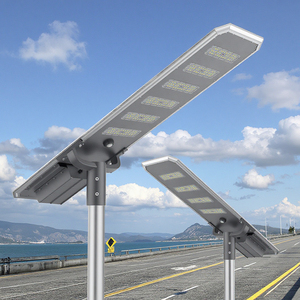
Integrated high-lumen luminaire featuring ultra-efficient Mono-PV charging and an internal temperature-regulated LiFePO4 battery pack engineered for sub-zero Boston winters.
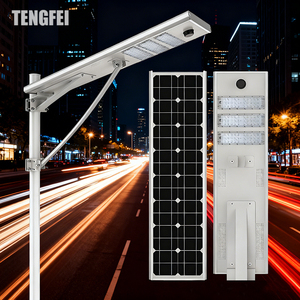
Cast aluminum alloy chassis with high corrosion resistance (C5-M rated), ideal for coastal salt-fog environments like Boston Harbor and the Seaport District.
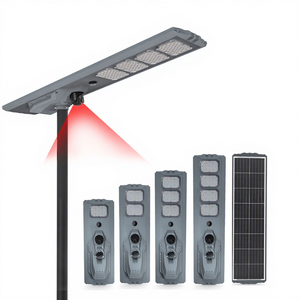
Multi-functional municipal streetlight integrating 4K IP security surveillance, continuous AI motion detection, and low-latency wireless video transmission.
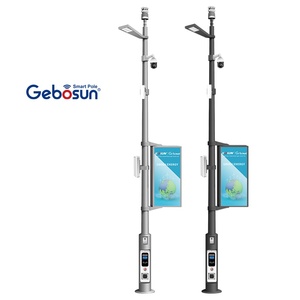
Next-generation urban IoT node combining solar array charging, digital public messaging screen, environmental air quality sensors, and emergency call buttons.
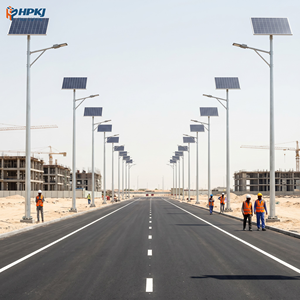
High-output solar light designed for major traffic corridors, highways, and logistics parks across Greater Boston. Features dynamic beam optics.
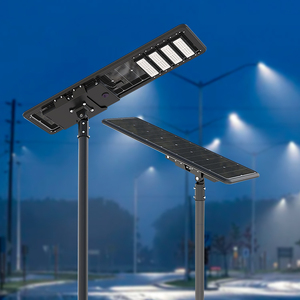
Precision-engineered industrial light post utilizing microwave Doppler motion detection for long-range detection and battery power optimization.
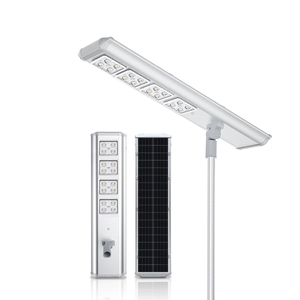
Architecturally elegant outdoor luminaire ideal for university campuses, public parks, historic corridors, and residential suburban developments.
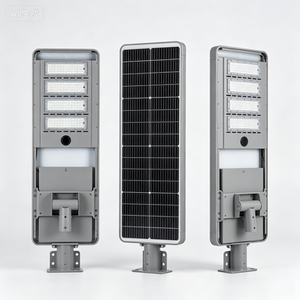
Enterprise-grade smart street light equipped with cloud management dashboard, automated failure reporting, and wireless mesh group control.
The Greater Boston metropolitan area—encompassing Suffolk, Middlesex, Norfolk, and Essex counties—is undergoing a historic transition toward net-zero municipal infrastructure and resilient urban electrification. Driven by Massachusetts’ aggressive climate mandates, including the Global Warming Solutions Act and Boston's Building Energy Reporting and Disclosure Ordinance (BERDO 2.0), public works directors, commercial real estate developers, and civil engineers are increasingly abandoning legacy AC-grid streetlights in favor of independent, off-grid solar-powered lighting systems.
However, procuring solar street lighting in New England introduces unique engineering challenges that standard off-the-shelf solar imports cannot satisfy. Boston experiences severe winter cold snaps (with temperatures dropping below -10°F), prolonged periods of low solar irradiance during November through February, heavy snowfall, and harsh coastal salt spray along Massachusetts Bay. To achieve 99.99% operational availability year-round, municipal authorities and private developers must partner with certified factories and specialized suppliers capable of delivering temperature-regulated LiFePO4 battery management, bifacial solar energy capture, and structural ratings capable of resisting Cat 5 Nor'easter storms.
Understanding the operational benchmarks required for reliable performance in New England's harsh microclimate.
| Technical Parameter | Standard Import Solar Light | Boston-Grade Smart City Luminaire | Municipal Impact & Benefit |
|---|---|---|---|
| Battery Chemistry & Cold Thermal Management | Standard Lithium Ion / Unheated LiFePO4 (Fails at <0°C) | Thermal-jacketed LiFePO4 with BMS self-heating circuitry (-30°C to +65°C) | Zero winter freeze capacity drop |
| Solar Module Technology | Monofacial Glass Panel (17-19% Efficiency) | Grade-A Bifacial Monocrystalline PERC (22.8% Front + 80% Rear Albedo Capture) | +30% power gain from ground snow reflection |
| Structural Wind Load Rating | ASCE 7-05 Basic (80-100 mph wind resist) | ASCE 7-16 Certified Category 5 Hurricane / Nor'easter (150+ mph rated structural pole) | Prevents structural failure during severe coastal storms |
| Enclosure & Coating Corrosion Resistance | Standard IP65 Plastic / Light Anodizing | Die-Cast Marine Grade A360 Aluminum + C5-M Anti-Corrosion Salt Fog Powder Coating | Exceeds 10-year coastal salt spray ISO 9227 testing |
| Connectivity & Smart Grid Integration | Standalone Photocell / Infra-Red Remote | NEMA 7-Pin / Zhaga Book 18 socket with Cellular IoT (NB-IoT/LTE-M) & LoRaWAN mesh | Central Management Software (CMS) dynamic dimming |
| Battery Autonomy Reserve | 1 to 2 consecutive overcast days | 5 to 7 days continuous full-performance autonomy without sunlight | Eliminates dark outages during prolonged winter storm events |
Our solar street lighting solutions are tailored to solve specific urban, commercial, and municipal challenges throughout the Northeast corridor.
Severe salt-air corrosion and tidal surge flooding make electrical trenching extremely expensive and prone to short circuits. Our off-grid, C5-M rated solar posts eliminate underground conduit corrosion entirely while delivering continuous illumination along Harborwalk walkways.
For commercial real estate managers in Waltham, Burlington, and Framingham, retrofitting legacy parking lot lighting with AC grid power requires disruptive repaving and high utility connection fees. Solar poles install in hours with zero CapEx disruption.
Universities and municipal parks require Dark-Sky compliant, low-glare optics (BUG rating U0) that protect night skies and local fauna while providing safe light levels for pedestrian commuters along the Charles River corridor.
Capital budgets should never stand in the way of safety and sustainability. We offer an innovative service agreement model where engineering, delivery, smart monitoring, and long-term maintenance are packaged into an affordable monthly operational expense—guaranteeing 100% uptime with zero initial capital expenditure.
New England Nor'easters bring brutal winds. Our poles, solar panel brackets, and internal fasteners are stress-tested to structural standards capable of enduring gusts up to 150 mph. Integrated bifacial panels naturally shed snow buildup, maintaining solar harvest even during mid-winter storms.
Every fixture acts as a node on an intelligent smart city mesh network. DPW managers can remotely monitor battery health, adjust dimming profiles based on traffic density, detect lamp faults in real-time, and automate energy conservation across thousands of deployed units from a single web browser.
Protecting local nocturnal ecosystems and coastal wildlife preserves is paramount. We engineer specialized narrow-spectrum amber LED options and zero-upward-light fixtures that conform with International Dark-Sky Association (IDA) guidelines and local municipal zoning laws.
Essential technical and regulatory insights for utility managers, developers, and municipal buyers in Greater Boston.
Boston experiences short winter daylight hours and sub-freezing temperatures that drastically degrade standard lithium-ion batteries. Our Boston-grade solar streetlights feature specialized grade-A LiFePO4 battery chemistries equipped with integrated BMS thermal heating jackets. During cold snaps, the smart controller regulates charge temperatures while taking advantage of bifacial solar panels. Bifacial panels collect sunlight reflected off ground snow (snow albedo boost), increasing total energy harvest by up to 30% during winter months, ensuring uninterrupted 5+ day battery autonomy reserve.
Yes. Our industrial smart solar luminaires are engineered to conform with MassDOT Highway Division lighting standards, AASHTO structural guidelines, and IESNA photometric distribution benchmarks (Types II, III, and V). Furthermore, our luminaires incorporate standard 7-pin NEMA or Zhaga sockets, allowing seamless integration into municipal Central Management Software (CMS) systems used by cities across the Commonwealth.
Installing traditional AC grid streetlights requires extensive ground trenching, conduit laying, electrical panel upgrades, transformer connections, and coordination with local utility providers like Eversource or National Grid. Trenching in urban Boston can cost between $100 and $250 per linear foot. Off-grid solar streetlights eliminate 100% of trenching and utility connection costs, reducing initial installation expenses by up to 60% while permanently eliminating ongoing monthly electricity bills.
Coastal salt fog is highly corrosive to standard steel and low-grade aluminum poles. Our smart city solar streetlights utilize die-cast marine-grade A360 aluminum housing and hot-dip galvanized steel poles treated with a specialized C5-M anti-corrosion fluorocarbon powder coating. This multi-layer barrier exceeds ISO 9227 salt spray testing guidelines for 1,000+ hours, guaranteeing structural integrity in coastal environments.
Our fixtures support multiple smart city communication protocols, including cellular IoT (NB-IoT / LTE-M), LoRaWAN, and Zigbee mesh networks. This connectivity enables remote monitoring of battery status, automated fault reporting, remote firmware updates, dynamic scheduled dimming, and integration with broader smart city dashboards.
All commercial and municipal solar lighting products come with a comprehensive 5-year to 10-year factory warranty covering PV panels, LED chips, battery modules, and MPPT controllers. Local technical support, photometric lighting design layout assistance (AGi32 modeling), and rapid replacement part logistics are provided across Greater Boston.
Partner with an industry-leading factory and supplier to deploy storm-resilient, zero-emissions, and cost-effective smart city lighting across Greater Boston.
Contact Us