All-In-Two
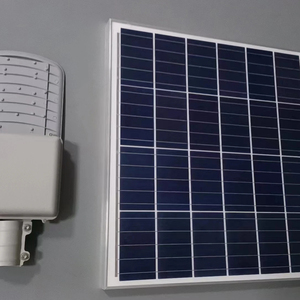
All in Two Outdoor Solar Street & Flood Light
- Flex-tilt adjustable bracket (0°-60°)
- Polar-Grade LiFePO4 with BMS
- High-lumen Philips LED matrix (210 lm/W)

High-lumen, weather-sealed off-grid solar area lights built with LiFePO4 / LTO heating cells, bifacial PV modules, and IP66/IK10 storm resilience for Norwegian municipal and commercial deployments.

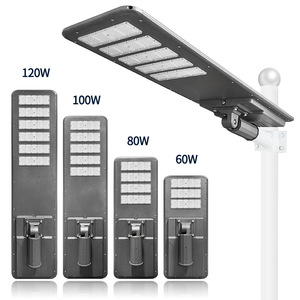

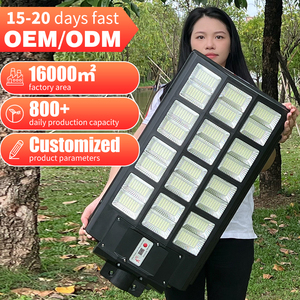

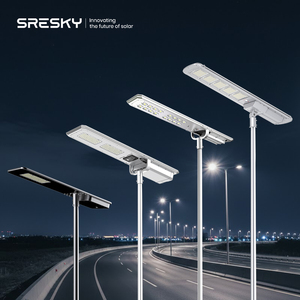
Exporting commercial-grade solar area floodlights to Norway presents engineering challenges unmatched anywhere else in Europe. Located between 58° N (Kristiansand) and 71° N (Hammerfest, Svalbard corridor), Norway experiences extreme seasonal solar variations. During the extended winter months (Mørketid or Polar Night), low sun elevation angles, persistent snow coverage, and temperatures dipping below -30°C quickly degrade standard off-grid solar equipment.
As a specialized B2B manufacturer and exporter, our engineering team has developed the Sol-Polaris™ Nordic Architecture. By combining high-efficiency N-type TOPCon bifacial solar modules, active battery heating matrices (BTMS), dynamic MPPT polar algorithms, and C5-M anti-corrosion die-cast alloys, our solar area floodlights deliver 100% off-grid autonomy through Northern Norway’s darkest winters.
Whether lighting maritime ports along the Norwegian Sea, remote infrastructure in Vestland, or municipal cross-country ski trails in Viken, our floodlighting solutions eliminate grid trenching costs while complying fully with Norway’s stringent TEK17 building standards and Nordic Dark-Sky preservation directives.
Why Norwegian contractors, municipalities, and industrial B2B buyers are transitioning from AC grid-tied floodlights to autonomous solar illumination.
| Technical Parameter | Standard AC Grid Floodlights | Generic Solar Floodlights (Import) | Our Nordic-Spec Solar Area Floodlights |
|---|---|---|---|
| Installation in Rocky Terrain | Extreme Cost (Rock blasting & Cable Trenching: ~800 NOK/m) | Moderate (Standard mounting, no trenching) | Zero Trenching Required (Instant flange base or root mount) |
| Sub-Zero Battery Operation | N/A (Grid-powered) | Fails below 0°C (Standard LiFePO4 shuts down / damages) | Internal Heating Wrap (-35°C to +65°C) with LTO / Thermal LiFePO4 |
| High-Latitude Snow Yield | N/A | Monofacial (Blocked by snow, zero charging) | Bifacial TOPCon + Auto-Shed Angle (55°-65°) + Optional Snow Wiper |
| Corrosion Resistance | Standard C2/C3 Powder Coating | C3 Spray Paint (Rusts in 12-24 months along Fjords) | C5-M ISO 12944 Anodized Marine Die-Cast Alloy (20+ yr lifecycle) |
| Polar Night Autonomy | Dependant on Grid Stability | 1 to 2 Days Max (Blackouts in Norwegian Winter) | 5 to 7 Days Extended Autonomy with Intelligent Dimming Radar |
| Dark-Sky & Ecological Standard | High Light Pollution / High Glare | Uncontrolled Beam Angle | Norwegian TEK17 & Dark-Sky Compliant (0% Upward Light Ratio) |
Our heavy-duty solar floodlights are purpose-built to address specific geographical and logistical challenges faced by Norwegian industrial buyers.
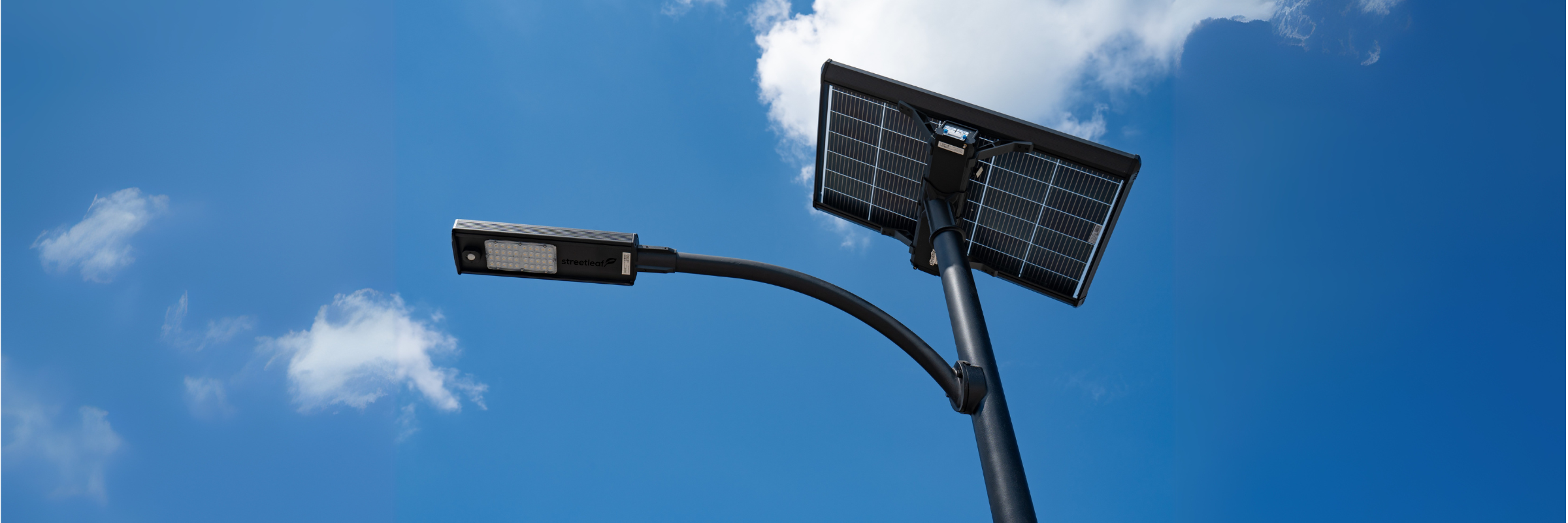
Ports in Bergen, Stavanger, and Ålesund face high atmospheric salinity, severe freezing rains, and ocean gales. Our C5-M treated split and integrated floodlights provide high-lux perimeter safety around container terminals and fish farming docks without risking electrical short-circuits from saltwater exposure.

Norwegian municipalities (Kommune) prioritize sustainable outdoor recreation. Our solar area floodlights feature microwave motion-sensing radar that stays at 20% ambient lux until skiers or walkers approach, immediately ramping up to 100% brightness while safeguarding local wildlife corridors.

Connecting mountain passes like E6, E16, and E39 requires lighting in locations where grid tie-in costs are prohibitive due to granite bedrock. Sol-Polaris™ solar floodlights provide instant off-grid illumination for laybys, rest stops, and heavy equipment maintenance yards.
We support Norwegian electrical wholesalers, EPC contractors, and municipal suppliers with white-label OEM, custom photometric design, and direct factory shipping.
Our patented micro-thermostat circuit routes solar energy to an internal silicone heating element before charging LiFePO4 or LTO batteries, ensuring full 100% battery lifecycles even in -30°C inland Norwegian cold spells.
Equipped with dual-sided glass solar modules yielding up to 23.8% efficiency. Dual-absorption architecture captures ambient sunlight from above and high-albedo reflection from snow-covered ground surfaces below.
Extruded high-tensile 6063-T6 aluminum arms and reinforced stainless steel hardware designed to resist Category 5 severe hurricane gales (up to 65 m/s) prevalent along Norway's western and northern coasts.
Optional integrated 4G-NBiOT / LoRaWAN modules allow municipal technicians in Oslo or Bergen to monitor battery state of charge (SoC), adjust brightness profiles, and automate fault diagnostics remotely.
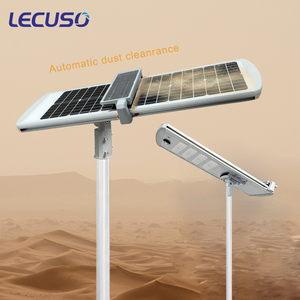
Steep-tilt mechanical frame design combined with optional robotic wiper modules (Series 6) prevents heavy arctic snow accumulation from obstructing solar panels, ensuring continuous winter energy harvesting.
All export units carry CE, RoHS, IP66, IK10, and ISO 9001 certifications. Compatible with Enova SF green technology subsidies for Norwegian corporate and public infrastructure projects.
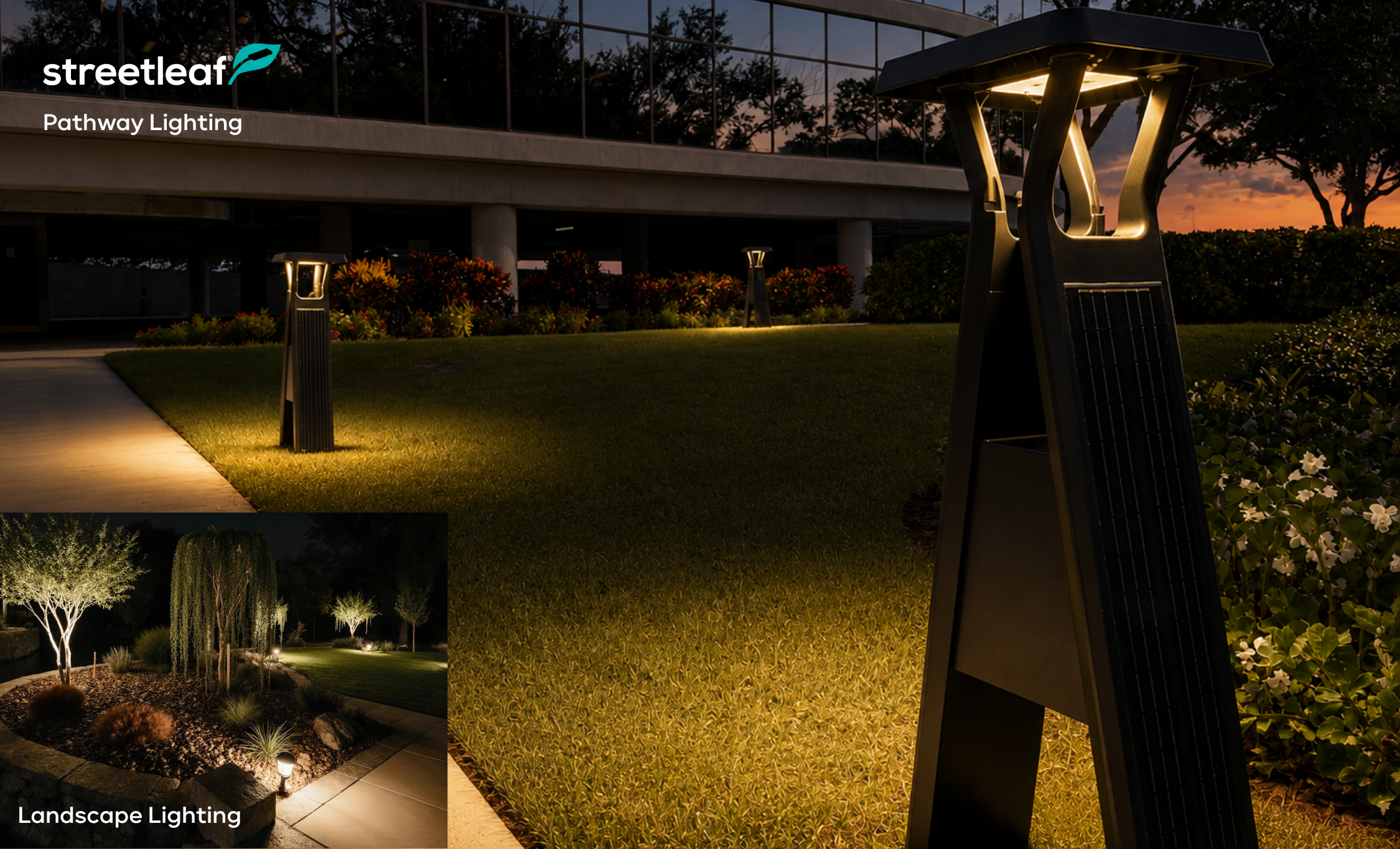
Navigating the Norwegian procurement market requires strict adherence to localized technical standards. Our solar area floodlights are engineered from the ground up to fulfill every criteria specified by Norwegian municipalities and engineering firms:
Detailed answers to critical technical questions regarding high-latitude solar floodlight deployment in Norway.
Our Sol-Polaris™ architecture overcomes the Mørketid through a multi-tiered design: First, we utilize high-efficiency N-Type TOPCon bifacial solar panels configured at steep tilt angles (55°-65°) to maximize low-horizon sun capture and prevent snow accumulation. Second, our MPPT controllers feature adaptive polar night algorithms that intelligently modulate LED lumen output using microwave motion radar—maintaining a low 15-20% ambient lux until movement is detected. Third, our high-capacity LiFePO4/LTO battery banks store up to 7 days of continuous autonomy, guaranteeing uninterrupted operation even during multi-day overcast spells in Northern regions like Tromsø or Finnmark.
We address snow buildup through three mechanical and thermal innovations: 1) Frame angles are set to 55° or higher, exceeding snow's natural angle of repose so heavy snow slides off automatically. 2) Hydrophobic, anti-reflective tempered glass coatings minimize ice adhesion. 3) For extreme snowfall environments, our Series 6 Self-Cleaning Solar Floodlights feature an automated dual-brush robotic wiper mechanism programmed to cycle every morning, sweeping away snow, frost, and dust automatically without requiring manual maintenance teams.
Charging standard LiFePO4 batteries below 0°C leads to permanent lithium plating and battery degradation. Our Nordic-spec floodlights feature an intelligent Battery Thermal Management System (BTMS). When solar energy is received in sub-zero conditions, the smart controller redirects power to an internal thermostatic heat-wrap surrounding the battery cells. Once the core battery temperature reaches +5°C, normal high-speed charging resumes. For extreme Arctic applications, we also supply Lithium Titanate (LTO) battery options capable of native charging down to -40°C without heating assistance.
Yes. Luminaire housings installed near coastal fjord zones (such as Bergen, Ålesund, or Kristiansund) are manufactured from ADC12 / 6063-T6 die-cast aluminum alloys treated with a multi-stage fluorocarbon anodization and powder coating process certified to ISO 12944 C5-M (Heavy Marine High Salinity). All external fasteners, brackets, and bolts are fabricated from marine-grade 316 stainless steel to prevent galvanic corrosion over a 20+ year service life.
Our complete solar area lighting structures (including luminaire head, solar panel bracket assembly, and pole interface) are structurally calculated in accordance with Eurocode 1: Actions on structures - General actions - Wind actions (EN 1991-1-4). They are rated to withstand gusting wind velocities up to 65 m/s (Category 5 hurricane force equivalent), ensuring complete structural safety during severe Atlantic storm fronts.
In Norway, traditional grid-tied lighting installations require extensive rock trenching, asphalt cutting, cabling, transformer hookups, and municipal electrical permits—often costing 60,000 to 120,000 NOK (€5,000–€10,000+) per kilometer. Solar area floodlights eliminate 100% of cabling and trenching expenses. B2B clients typically achieve full payback on capital expenditure within 12 to 18 months, while completely eliminating ongoing electricity bills and grid maintenance liability.
We provide comprehensive OEM/ODM manufacturing, DIALux photometric simulations, customized mounting hardware, and reliable DDP shipping to all major Norwegian ports including Oslo, Bergen, Stavanger, and Tromsø.
Connect with our senior technical sales director to discuss project specifications, custom optics, or distribution agreements for Norway.
Get a Quote