
Direct factory-engineered solar streetlights customized for Moroccan public works, commercial road networks, desert transit corridors, and coastal infrastructure projects.
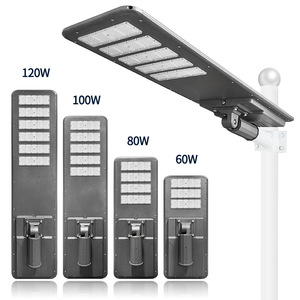
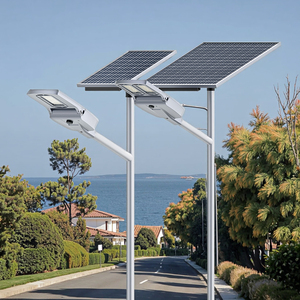
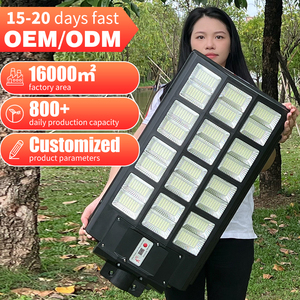
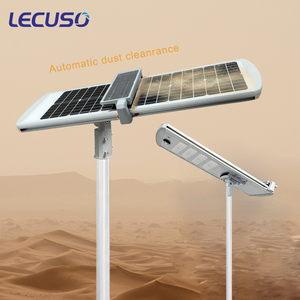
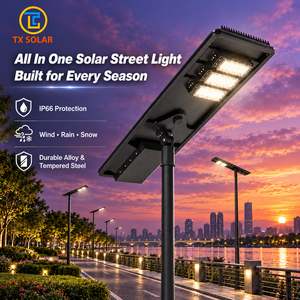
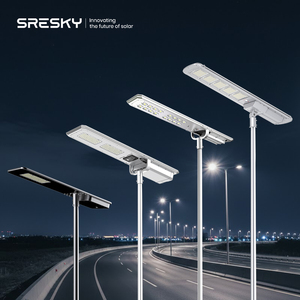
The Kingdom of Morocco has positioned itself as the undisputed sovereign leader in clean energy transition across North Africa and the Euro-Mediterranean corridor. Guided by the National Strategy for Sustainable Development (SNDD) and the ambitious targets overseen by the Ministry of Energy Transition and Sustainable Development (MTEDD), Morocco is actively restructuring its municipal infrastructure landscape. With a legal mandate requiring over 52% of national electricity generation to originate from renewable sources by 2030, municipal authorities, urban planning agencies (Agences Urbaines), and utility operators like the Office National de l'Électricité et de l'Eau Potable (ONEE) are aggressively replacing legacy grid-tied sodium lighting with autonomous, solar-powered municipal infrastructure systems.
Furthermore, as Morocco prepares to co-host the 2030 FIFA World Cup alongside Spain and Portugal, capital expenditure for public works, stadium access arteries, highway expansions, and urban beautification across metropolises such as Casablanca, Rabat, Marrakesh, Tangier, Agadir, and Fes has accelerated exponentially. Local government procurements now explicitly favor off-grid municipal solar streetlights and smart utility poles that eliminate the massive civil engineering costs of street trenching, grid cabling, and transformer installation. For municipal engineers and international EPC contractors operating in Morocco, sourcing high-reliability equipment from established, direct-manufacturing solar infrastructure factories is essential to satisfying strict local content rules, LPEE (Laboratoire Public d'Essais et d’Études) durability standards, and long-term operating performance under harsh North African climate stressors.
Morocco presents extreme environmental diversity—from the moisture-laden salt air of the Atlantic and Mediterranean coasts to the scouring sandstorms (Sirocco/Chergui) and 50°C summer heat of the Sahara Desert. Our municipal product lines are built from the ground up to overcome these localized engineering threats.
Saharan dust accumulation reduces traditional solar panel harvesting by up to 60% within weeks. Our auto-cleaning solar streetlights utilize integrated robotic dual-wiper mechanisms combined with hydrophobic nanocoatings, maintaining 98.5% solar absorption efficiency without manual maintenance intervention in desert regions like Ouarzazate and Errachidia.
Standard lithium-ion batteries degrade rapidly when ambient desert temperatures exceed 40°C. We deploy aerospace-grade Lithium Iron Phosphate (LiFePO4) battery packs featuring internal heat-dissipating aluminum alloy sleeves and intelligent thermal management BMS, delivering over 4,000 deep-discharge cycles (10+ year lifespan) at operating temperatures reaching 65°C.
Coastal urban deployments along Tangier, Casablanca, and Agadir subject lighting hardware to severe salt spray corrosion. Our hot-dip galvanized steel poles and extruded aluminum luminaires undergo multi-stage marine-grade fluorocarbon electrostatic powder coating, certified to withstand 1,000+ hours of continuous salt spray testing without rust oxidation.
Equipped with high-efficiency (23.5%) bifacial monocrystalline solar panels, our luminaires capture direct sunlight alongside albedo reflection from sandy terrain or light asphalt. Coupled with Maximum Power Point Tracking (MPPT) charge controllers, energy conversion is optimized by 30% compared to traditional PWM systems, guaranteeing 5-7 continuous rainy/cloudy days of light autonomy.
Our municipal lights integrate Zigbee, LoRaWAN, or 4G/5G smart telemetry nodes, allowing municipal lighting engineers to remotely control lumen output, monitor individual battery health in real-time, adjust dynamic dimming schedules, and receive automated fault alerts via a centralized cloud dashboard.
High mountain passes in the High Atlas (Tizi n'Tichka) and exposed coastal expressways experience powerful gale force winds. Structural finite element analysis (FEA) ensures our wind-resilient pole geometries and heavy-duty anchor bolt assemblies remain stable under wind gusts exceeding 260 km/h.
From rural electrification programs under PERG to smart metropolis expansions, see how tailored solar lighting configurations solve regional civil engineering challenges.
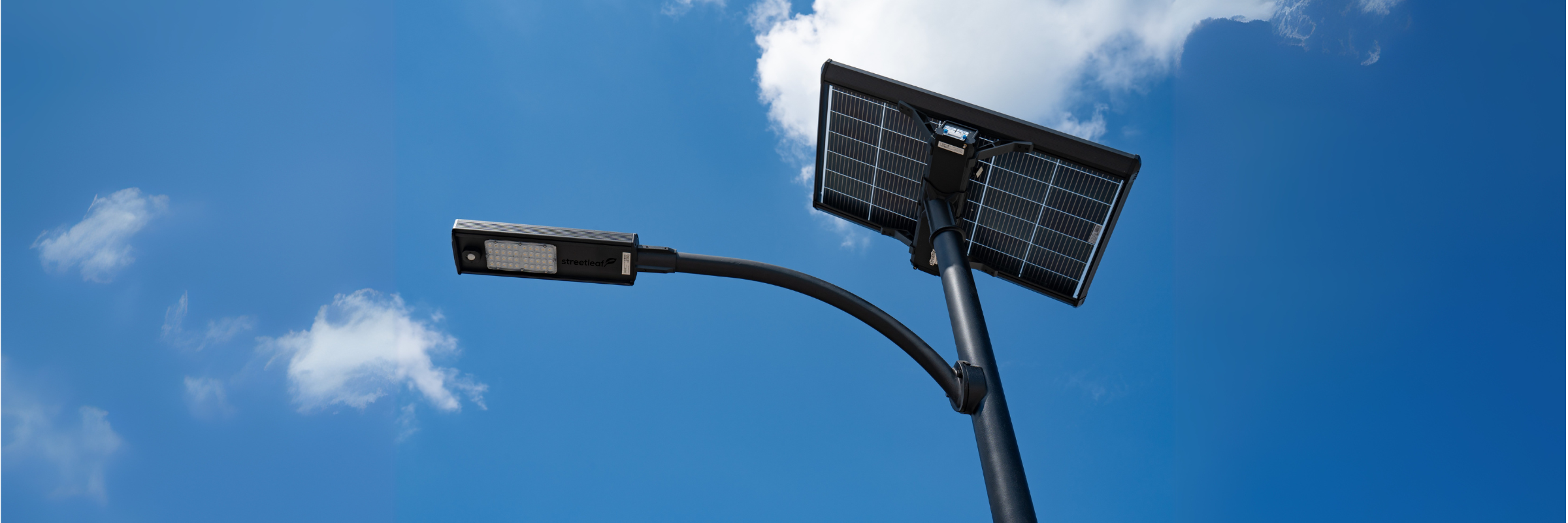
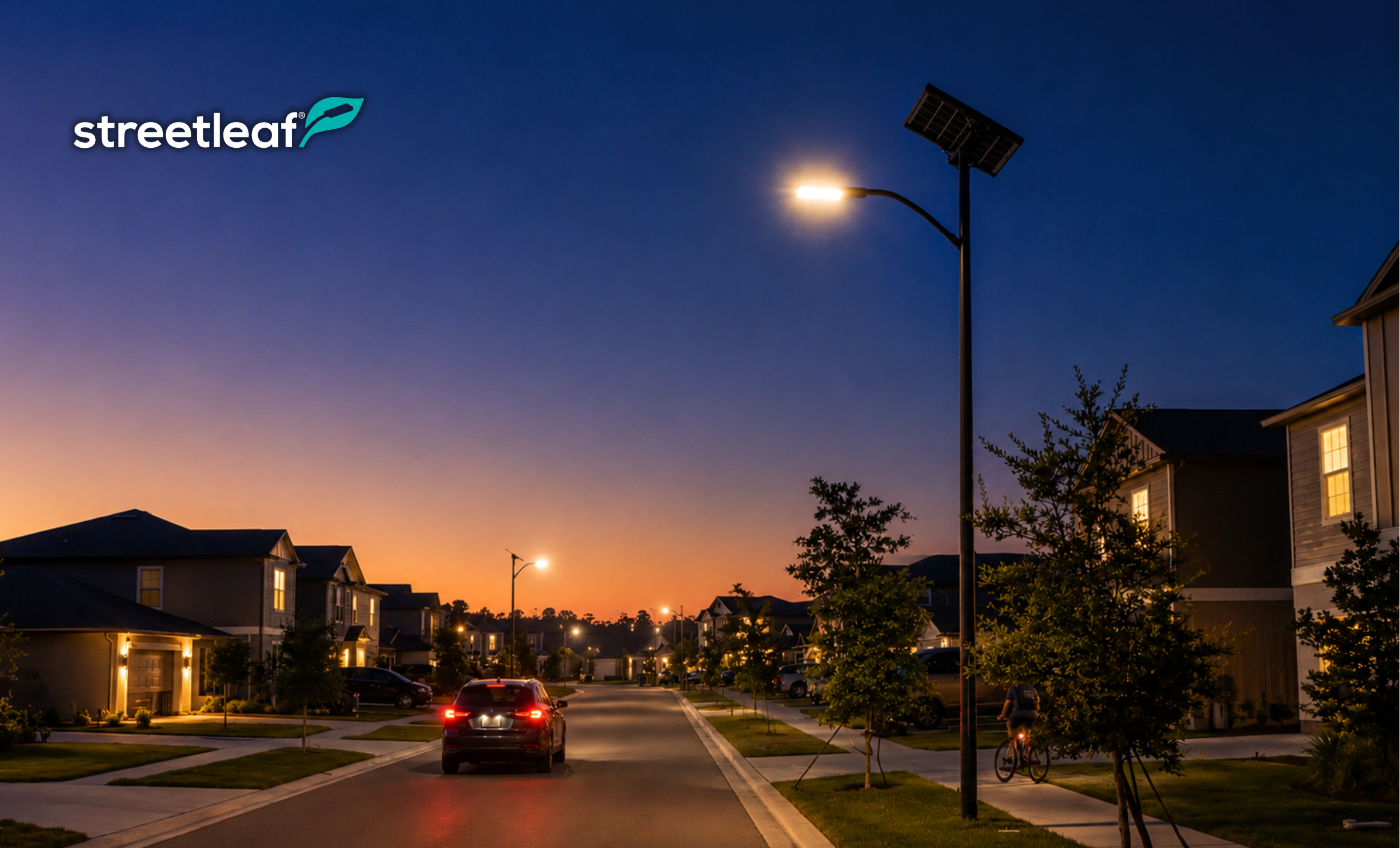
In high-density traffic zones such as the Casablanca-Settat economic corridor, the Boulevard Mohammed VI development, and Rabat ring roads, continuous high-lumen output (12,000 to 24,000 lumens) is critical for public safety. Our split-type and all-in-two high-power solar lighting systems provide uniform Type II and Type III optic distributions, eliminating dark zones on multi-lane highways while avoiding grid transformer upgrades during rapid urbanization.
Recommended: Industrial Split Solar Street Light (80W-200W)
Morocco’s Programme d'Électrification Rurale Global (PERG) has brought power to thousands of villages, yet extending traditional grid lines to remote Saharan settlements in Drâa-Tafilalet and Guelmim-Oued Noun remains cost-prohibitive. Integrated All-in-One and Automatic Self-Cleaning solar lights deliver instantaneous 100% off-grid illumination to rural access roads, public squares, and village schools with zero trenching or ongoing electricity bills.
Recommended: Auto-Clean Self Cleaning Solar Street Light
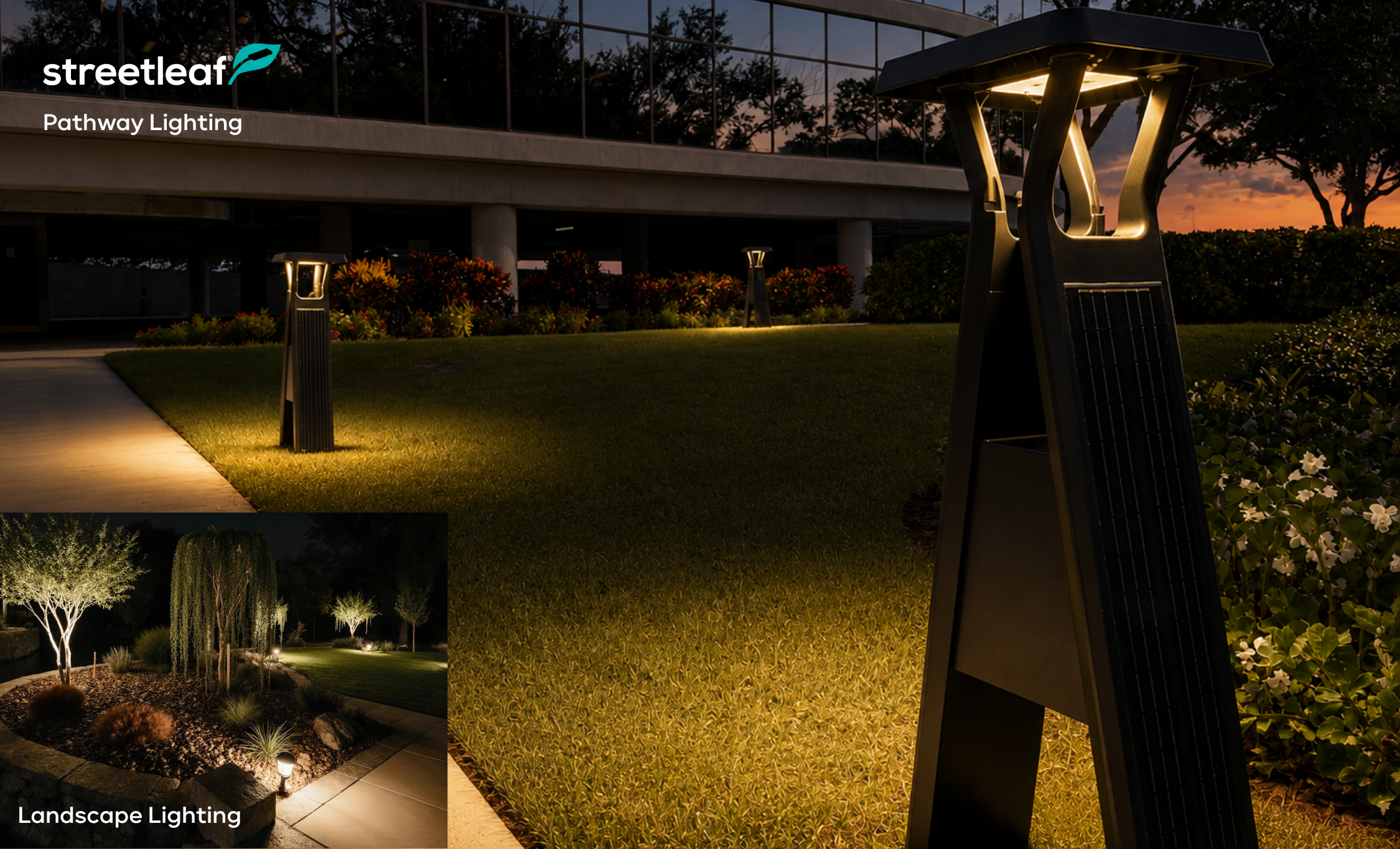
Preserving the aesthetic integrity and night sky ecology of historic Medinas (Marrakesh, Fes, Chefchaouen) and coastal eco-resorts (Taghazout Bay, Essaouira) requires specialized optical engineering. We supply Dark-Sky compliant LED fixtures with zero upward light waste (ULOR = 0%) and warm 3000K CCT amber chips that prevent skyglow while protecting coastal wildlife and sea turtle nesting zones.
Recommended: Dark-Sky Compliant All-in-One Solar Courtyard Lamp
Industrial parks, free zones, and logistics platforms surrounding Tangier Med Port and Kenitra Atlantic Free Zone demand 24/7 security lighting resilient against heavy machinery vibration, airborne industrial pollutants, and power grid fluctuations. Our heavy-duty commercial solar streetlamps feature motion-activated smart dimming to preserve battery longevity while ramping up instantly to 100% brightness upon perimeter security triggers.
Recommended: Smart Control IP66 High-Power Solar LightAs a tier-one OEM/ODM manufacturer specializing in solar lighting and municipal infrastructure hardware, we bridge the gap between rigorous European quality engineering and competitive direct-factory pricing.
From custom pole heights (4m to 14m) and tailored RAL color powder coating to bespoke optical photometrics (IESNA Type I to Type V), our engineering team tailors every batch to precise municipal tender specifications across Morocco.
Our ISO 9001 certified manufacturing facilities incorporate SMT LED mounting, automated integrating sphere spectroradiometer testing, thermal shock chambers, and IP68 water submersion testing rigs for zero-defect output.
We provide Moroccan importers and contractors with full tender compliance packages: IES photometric files, CE/RoHS/CB certifications, ISO 9227 salt spray test reports, LVD/EMC lab test certificates, and factory origin guarantees.
Streamlined export logistics with direct container shipping lines to Tangier Med Port and Casablanca Commercial Port, complete with EUR.1 / Morocco Free Trade customs documentation and DDP delivery options.
For municipal utility providers and large land developers, we facilitate flexible equipment leasing and Energy Service Company (ESCO) revenue-sharing frameworks to enable zero-upfront-capital lighting transitions.
Every municipal light fixture is backed by our comprehensive factory warranty, supported by replacement module dispatch, remote technical assistance, and dedicated engineering consultation for the entire product lifecycle.
Expert technical clarity on standards, import regulations, installation protocols, and tendering specifications for municipal infrastructure buyers in Morocco.
Our products are manufactured in strict compliance with international IEC 62560, IEC 60598-2-3, and EN 13201 standards, which form the technical benchmark for ONEE (Office National de l'Électricité et de l'Eau Potable) public lighting tenders. Furthermore, our luminaires and poles undergo structural and optical verification recognized by LPEE testing procedures in Morocco, ensuring smooth tender approvals.
In arid southern regions of Morocco, fine Saharan sand dust creates a heavy film on glass surfaces, causing up to a 60% degradation in solar charging within weeks. Our auto-cleaning solar lights feature a built-in robotic wiper powered by an independent brushless motor. The wiper runs automatically twice daily, ensuring the solar glass remains completely clear of dust without requiring manual labor or water washing trucks.
Lead-acid and gel batteries suffer severe capacity loss and thermal degradation when exposed to Morocco's summer heat (often exceeding 45°C in interior plains), typically failing within 1.5 to 2 years. In contrast, Lithium Iron Phosphate (LiFePO4) chemistry offers superior thermal stability (safe operation up to 65°C), high energy density, 4,000+ deep discharge cycles, and a lifespan exceeding 10 years, dramatically lowering total cost of ownership (TCO).
Our municipal poles are engineered using high-tensile Q235B or Q345B structural steel, hot-dip galvanized internally and externally. Using 3D FEA stress modeling, our pole assemblies are rated to withstand gusting winds of up to 260 km/h (Category 5 hurricane equivalent), satisfying the severe wind-load requirements of mountain passes in the High Atlas and coastal highways in Northern Tangier.
For standard municipal orders, production lead time at our factory is approximately 12 to 18 business days following sample sign-off. Maritime transit from our manufacturing port to Tangier Med or Casablanca Port takes roughly 22 to 28 days via direct ocean freight services. We provide full container load (FCL) and less-than-container load (LCL) options alongside complete customs clearance documentation.
Yes. Our smart control solar streetlights support open-protocol API integration (RESTful APIs, MQTT) that connect seamlessly into centralized municipal Smart City dashboards. Local urban management teams can control individual lighting nodes, monitor real-time battery voltage, set adaptive dimming curves based on traffic flow, and automate maintenance dispatch across entire cities.
Whether you are preparing a municipal tender response, engineering a highway development, or seeking reliable direct-factory OEM supply in Morocco, our team provides engineering support, IES photometric layouts, and competitive factory pricing.