
High-efficiency, storm-resilient, auto-dimming solar LED luminaires tested for extreme UV exposure, coastal salinity, and AS/NZS 1158 lighting categories.
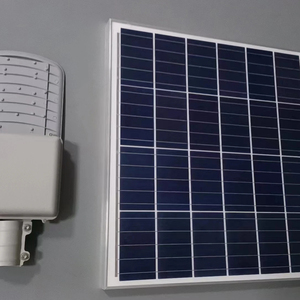
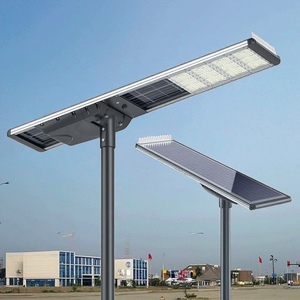
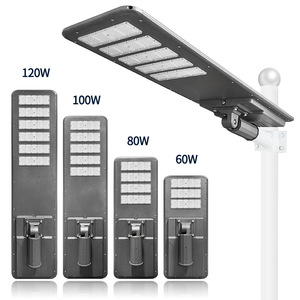
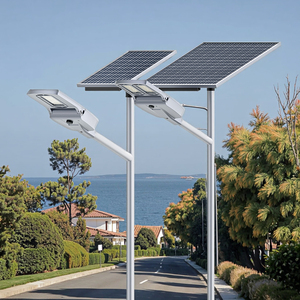
Australia represents one of the world's most demanding operating environments for outdoor lighting infrastructure. With solar irradiance levels reaching record highs alongside brutal thermal extremes, coastal salt spray, and severe tropical cyclones across Northern Western Australia and Queensland, commercial solar luminaires must meet rigorous mechanical, electrical, and photometric standards. For municipal procurement officers, civil engineering contractors, asset managers, and land developers across Australia—from Perth to Brisbane and Adelaide to Sydney—sourcing off-grid lighting from top-tier China auto-dimming solar lighting manufacturers has shifted from a cost-saving alternative to an engineering-led strategic priority.
The fundamental value proposition of modern solar lighting lies in its autonomous intelligence. Traditional grid-tied street lighting incurs substantial civil works costs, including deep trenching, cable conduit laying, transformer connections, electrical authority inspections, and ongoing retail tariff charges. By replacing legacy high-pressure sodium (HPS) or grid-connected LED fixtures with standalone auto-dimming solar street lights, Australian project developers routinely reduce initial capital installation expenses by 40% to 60% while completely eliminating operational energy expenditure.
However, achieving long-term asset longevity in Australia requires a granular technical understanding of how high-performance China auto-dimming solar lighting manufacturers design, assemble, and optimize their systems for local conditions. Sourcing success depends on evaluating manufacturing quality, lithium chemistry stability, dynamic pulse-width modulation (PWM)/MPPT charge control algorithms, and smart microwave radar motion sensing integration.
The core challenge of off-grid solar street lighting in Australian conditions is maintaining consistent photometric performance throughout extended periods of cloud cover, winter solstice low-sun angles, and extreme weather events. The key to absolute reliability is Adaptive Dynamic Auto-Dimming Technology.
Unlike traditional Passive Infrared (PIR) sensors that fail when ambient temperatures exceed human body heat (37°C)—a frequent occurrence during Australian summer heatwaves—5.8GHz microwave radar sensors detect Doppler frequency shifts. This enables motion detection through foliage, dust, and extreme heat up to 15 meters.
Leading Chinese OEMs utilize Maximum Power Point Tracking (MPPT) controllers with digital signal processing (DSP) capable of tracking efficiency >99.5%. This ensures that even under overcast conditions in Victoria or Tasmania, solar panels harvest maximum wattage to recharge LiFePO4 batteries.
Automated 5-stage evening power profiles adjust illumination based on traffic density. For instance: 100% output for 3 hours post-dusk, dimming to 30% ambient during low-traffic midnight hours, instantly ramping to 100% upon radar detection, and boosting to 70% before morning twilight.
By integrating auto-dimming algorithms, total battery storage capacity requirements are reduced by up to 50% without compromising nocturnal safety. This micro-grid optimization reduces top-heavy wind-loading mass on the streetlight pole—a critical design factor when engineered to meet Australia's stringent AS/NZS 1170.2 wind load standards.
Australia’s diverse geography demands tailored engineering responses for different application sectors. China's leading OEM/ODM manufacturing partners offer customizable hardware configurations adapted to specific regional conditions across the continent:
| Australian Sector | Environmental Challenge | Recommended Technology | Target AS/NZS Standard |
|---|---|---|---|
| Mining & Resources (Pilbara / Goldfields) | Extreme Heat (>50°C), Fine Red Dust (Iron Ore), Remote Access | Robotic Self-Cleaning Solar Lights + Thermal Managed LiFePO4 Pack | AS/NZS 3000 / Mine Spec IP67 |
| Coastal Regions (Gold Coast / Perth Coast) | Severe Salt Spray Corrosion, High Wind Gusts | C5-M Powder-Coated Aluminum + Marine Stainless Hardware + Cat 5 Rating | AS/NZS 1170.2 Wind Region C/D |
| Suburban HOAs & Residential Subdivisions | Light Spill Pollution, Pedestrian Safety, Aesthetic Demands | Integrated All-In-One Luminaires with Dark-Sky Shield & Radar Dimming | AS/NZS 1158.3.1 Pedestrian (P Category) |
| Regional Highways & Rest Areas | Zero Grid Power Access, Fauna Protection, High Reliability | Bifacial Panel All-in-Two Lights with Turtle/Fauna-Safe Warm CCT (3000K) | AS/NZS 1158.1.1 Vehicular (V Category) |
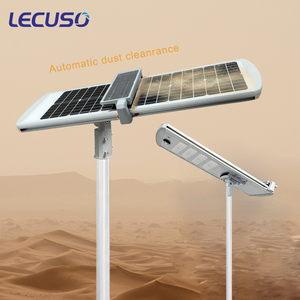
In remote mining camps and haul road intersections across Western Australia’s Pilbara region and the Northern Territory, dust accumulation on solar panels can degrade charging capacity by 2% to 5% daily. Sourcing Automatic Self-Cleaning Solar Street Lights featuring motorized dual wipers ensures that solar panels maintain maximum irradiance absorption without costly manual maintenance crews. Furthermore, specialized thermal-isolation battery enclosures prevent lithium capacity degradation caused by radiant ground heat.
Coastal environments—such as Queensland’s Sunshine Coast, New South Wales’ coastal corridors, and South Australia’s gulf towns—require high resistance to salt mist atmospheric corrosion. Premier Chinese manufacturers provide high-pressure die-cast ADC12 aluminum housings treated with electrochemically applied chromate conversion layers and finished with 100+ micron AkzoNobel architectural outdoor powder coating. Stainless steel grade 316 exterior fasteners prevent galvanic corrosion, ensuring structural integrity for over 15 years.
Australian local councils are increasingly mandating Dark-Sky compliance to reduce artificial light pollution that disrupts nocturnal ecosystems. Modern auto-dimming luminaires utilize custom photometric lenses featuring asymmetric Type II and Type III light distribution curves with zero upward light output (ULOR = 0%). Auto-dimming capabilities ensure that suburban residential streets remain illuminated at lower ambient levels overnight, rapidly ramping up when pedestrians or vehicles are detected by microwave sensors.
Australian buyers strictly require compliance with AS/NZS 1158 (Lighting for Roads and Public Spaces), AS/NZS 60598 (Luminaires Safety), and EMC compliance under the RCM (Regulatory Compliance Mark). China's leading exporters provide complete laboratory test certification (NATA accredited or ISO/IEC 17025 equivalent).
Bifacial solar technology is growing rapidly in Australia. By capturing direct sunlight on the top surface and albedo reflection off light-colored road gravel, concrete, or sand on the underside, energy harvesting increases by 15% to 25%, drastically shortening battery recharge cycles.
Australia’s shift toward Smart Cities is driving demand for Zigbee, LoRaWAN, and Cellular NBIoT communication protocols integrated directly into the MPPT controller of solar streetlights. This allows asset managers to remotely monitor battery health, adjust dimming profiles, and receive instant fault alerts.
The global solar lighting manufacturing ecosystem is anchored in China’s high-tech industrial hubs (such as Shenzhen, Zhongshan, and Ningbo). Chinese OEMs have established a decisive technology lead in smart off-grid lighting through vast economies of scale, extensive R&D investments, and vertically integrated supply chains.
When Australian importers, civil engineers, and wholesalers establish direct OEM/ODM partnerships with established Chinese manufacturers, they unlock several key structural advantages:
Addressing common technical, legal, and operational questions regarding the import and deployment of China-manufactured auto-dimming solar street lights.
Partner directly with verified China OEM/ODM auto-dimming solar lighting leaders. Access factory-direct wholesale pricing, complete AS/NZS test documentation, Dialux photometric modeling, and custom engineering support today.