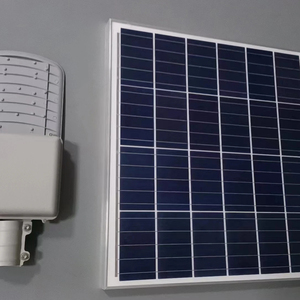
All in Two Outdoor Solar Street Light Two in One
- Narrow Spectrum 590nm Amber Option
- Adjustable Solar Panel Angle for Aichi Latitudes
- High-Capacity LiFePO4 Battery Pack
- Coastal Anti-Corrosion Anodized Coating

High-efficiency, sea-turtle-safe lighting systems customized for Nagoya's coastal developments, port facilities, and eco-sensitive municipal roadways. Designed for zero light pollution, hurricane-grade stability, and off-grid autonomy.
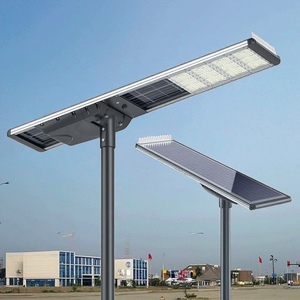
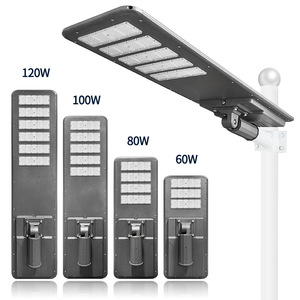
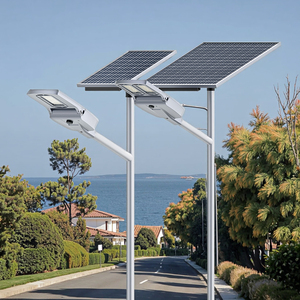
Balancing Aichi Prefecture’s aggressive Green Transformation (GX) decarbonization goals with strict coastal biodiversity preservation laws along Ise Bay and Mikawa Bay.
As the economic core of the Chūkyō Metropolitan Area, Nagoya represents a unique nexus of intensive heavy industry, world-class port logistics, and fragile marine ecosystems. The coastal boundaries of Aichi Prefecture—stretching along Ise Bay, Mikawa Bay, and the Chita Peninsula—serve as vital nesting grounds for the Loggerhead Sea Turtle (Caretta caretta), a species designated as vulnerable and legally protected under Japanese environmental ordinances. Standard municipal and industrial LED lighting emits substantial short-wavelength blue spectrum light (400nm–500nm), which disrupts sea turtle hatchling phototaxis, drawing them away from the moonlit ocean toward inland infrastructure and road hazards.
As dedicated original equipment manufacturers (OEM) and global exporters specializing in eco-conscious solar street lighting, our systems provide a dual-purpose resolution: delivering high-efficacy illumination for industrial and civic safety while eliminating ecological disruption through precise spectral control.
Coastal promenades, beach parks, and access roads in Minamichita, Tahara, and Tokoname require non-disruptive amber illumination. Our 590nm monochromatic LED fixtures prevent hatchling disorientation while providing full visibility for night visitors and park rangers.
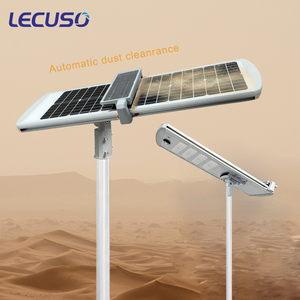
Industrial zones such as Tobishima Village and the Port of Nagoya experience high airborne particulate matter and maritime salt fog. Our self-cleaning bifacial solar streetlights maintain uninterrupted power generation without expensive ongoing grid utility work or maintenance trenching.
Nagoya’s geography makes it vulnerable to annual severe weather and seasonal typhoons (such as those traversing the Nankai Trough region). Featuring Category 5 hurricane wind ratings and 7-day battery reserve autonomy, our off-grid systems keep critical arterial roads lit during grid blackouts.
Understanding spectral power distribution, zero-blue emissions, full-cutoff optics, and advanced battery chemistry engineered for Japanese climate compliance.
Traditional white LEDs rely on a blue pump wavelength (450nm–460nm) coated with phosphor to produce yellow-white light. Marine sea turtles and coastal avian species perceive this blue spike as natural skylight reflected off the sea surface, disrupting critical instinctual navigation. Our manufacturing facility integrates True Monochromatic Amber LED chips emitting strictly between 585nm and 595nm.
By enforcing a strict spectral cutoff below 530nm, our luminaires eliminate all light output within the critical sensitivity spectrum of Loggerhead (Caretta caretta) and Green (Chelonia mydas) hatchlings. Unlike inferior temporary solutions that use yellow filter sleeves—which degrade under intense solar UV exposure over time—our solid-state amber emitters guarantee permanent spectral purity over a 100,000-hour operational lifespan.
Spectral control is only effective when paired with absolute directional precision. Our turtle-friendly luminaires are engineered with zero-upward-light-ratio (0% ULR) full-cutoff visors and custom optical lenses (Type II and Type III distributions). This ensures that light is directed exclusively onto the intended roadway or pedestrian pathway, preventing stray light trespass into coastal dunes, beach habitats, or residential windows in Nagoya’s urban-suburban interface.
| Technical Parameter | Standard White LED Streetlight | Filtered Yellow Streetlight | Our Turtle-Friendly Solar Luminaire |
|---|---|---|---|
| Peak Spectrum Emission | 450 nm (High Blue Spike) | 480 – 600 nm (Broad Spectrum) | 585 – 595 nm (Monochromatic Amber) |
| Blue Light Output (<530nm) | 25% – 40% Total Output | 5% – 12% Total Output | 0.00% Absolute Cutoff |
| Turtle Disorientation Risk | Severe / Fatal | Moderate Risk | Zero Impact (Certified Safe) |
| Grid Utility Dependency | 100% Dependent | 100% Dependent | 0% Off-Grid Photovoltaic |
| Typhoon Backup Autonomy | 0 Hours (Dark during blackout) | 0 Hours (Dark during blackout) | 5 to 7 Days (LiFePO4 Reserve) |
| Maintenance Mechanism | Manual Line Repair | Manual Lens Replacement | Robotic Auto-Self Cleaning |
In high-density industrial coastal areas such as Nagoya’s Minato Ward and the neighboring Chita Peninsula, solar panel degradation primarily stems from dust accumulation, airborne diesel particulate, and salt crusting. Dust accumulation can reduce photovoltaic power conversion by up to 35% within 60 days of installation.
To overcome this issue, our Auto-Clean Solar Street Light Series features an integrated, automated cleaning mechanism. Powered by an internal brushless motor driver, a weather-resistant wiper automatically sweeps the panel surface twice daily. Furthermore, our bifacial PV modules harvest reflected albedo light from concrete ground surfaces, sand, and surrounding snow during Aichi's winter months, increasing total energy harvest by up to 28% compared to single-sided panels.
The marine climate of Aichi Prefecture exposes outdoor infrastructure to extreme salt spray (ISO 12944 C5-M marine rating environment). Our light housings are die-cast using ADC12 aluminum alloy, undergoing a 5-stage chromate pre-treatment followed by architectural-grade fluorocarbon powder coating. All external fast-connect hardware is fabricated from grade 316 stainless steel, guaranteeing 15+ years of structural integrity against saltwater oxidation and typhoon-force wind loads up to 60 m/s (134 mph).
Direct factory-to-project manufacturing with rigorous quality management, regulatory compliance, and localized logistical support serving Nagoya Port.
Our manufacturing facility operates strictly under ISO 9001, ISO 14001, and OHSAS 18001 standards. Every production lot undergoes rigorous thermal chamber cycle testing (-30°C to +80°C), salt spray chamber testing (1000 Hours), and optical goniophotometer verification to ensure compliance with Japanese Industrial Standards (JIS).
We provide streamlined, FCL and LCL containerized freight shipping direct to the Port of Nagoya. Our experienced trade compliance team handles all customs documentation, CO (Certificate of Origin), and technical compliance certificates, ensuring zero delay at Japanese customs clearance hubs.
To accelerate adoption for Nagoya HOAs, commercial developers, and municipal utility partners, we offer flexible OEM product structuring and turnkey hardware leasing agreements. Reduce initial capital expenditure (CAPEX) while benefiting immediately from 100% energy savings.
Technical, ecological, and logistical queries answered by our senior solar lighting growth engineering team.
Standard 3000K and 4000K white LEDs contain high energy spikes in the 440nm–470nm blue spectrum. In coastal zones along Ise Bay and Mikawa Bay, female Loggerhead sea turtles coming ashore to nest, as well as newly hatched sea turtles, mistake this blue light for the natural horizon over the sea. This causes severe disorientation, drawing them onto roadways or industrial sites where they perish. Japanese coastal protection guidelines and regional conservation plans mandate narrow-spectrum monochromatic amber LEDs (585nm–595nm) with zero blue content for outdoor lighting near sea turtle nesting sites.
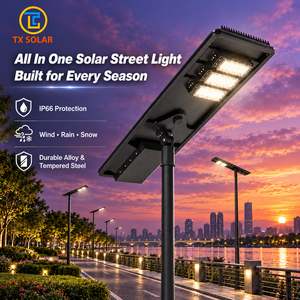
Our luminaires feature IP66/IP68 sealed die-cast aluminum alloy chassis (ADC12) finished with C5-M marine-grade powder coating, tested to withstand over 1,000 hours of continuous salt spray exposure. The internal LiFePO4 battery modules are enclosed in airtight, IP68 thermal-regulated aluminum battery compartments fitted with smart BMS (Battery Management System) protection against high ambient summer heat (up to +65°C) and winter freezing conditions (-20°C).
In heavy logistics and industrial zones such as Tobishima and Minato Ward, airborne dust, oil residues, and salt fog form a sticky film on solar panels. Our automatic self-cleaning series utilizes an integrated micro-computer controller that triggers a heavy-duty, UV-resistant rubber brush to sweep back and forth across the glass panel surface at programmable intervals (e.g., twice per day). This mechanical cleaning action maintains photovoltaic charging efficiency without manual intervention or water consumption.
Yes. Our systems are engineered with a 5 to 7-day battery reserve autonomy factor. By utilizing high-density Grade-A LiFePO4 battery cells paired with intelligent MPPT (Maximum Power Point Tracking) controllers and dynamic microwave dimming sensors, the luminaire automatically conserves power during consecutive heavily overcast or rainy days, ensuring uninterrupted light throughout the night even during Japan's extended summer rain season.
Absolutely. All our turtle-friendly streetlights are designed with 0% Upward Light Ratio (ULR), featuring full-cutoff shielding that prevents light pollution above the horizontal plane. This optical design complies with both International Dark-Sky Association (IDA) guidelines and localized Japanese Dark-Sky municipal policies aimed at reducing light pollution and protecting nocturnal ecology.
Standard production lead time for customized OEM orders (such as custom pole-mount brackets, amber LED configurations, and specific wattages) is typically 14 to 21 business days. Ocean shipping from our primary manufacturing facility direct to Nagoya Port takes approximately 4 to 7 days, providing a fast, reliable supply chain for contractors and engineering procurement firms across Aichi Prefecture.